Nigerian Cartoonist Satirizes Political and Social Issues in Latest Work
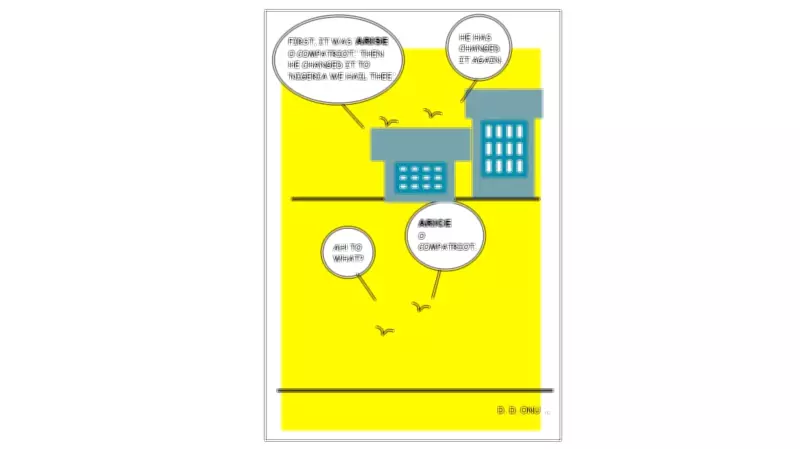
A Nigerian cartoonist has released a new piece that uses humor and satire to critique pressing political and social issues in the country. The cartoon, which has gained attention online and in print media, highlights themes such as political corruption, economic struggles, and societal norms, aiming to provoke thought and discussion among the public.
Key Themes in the Cartoon
The cartoon addresses several critical areas, including:
- Political Corruption: Depicts politicians engaging in unethical practices, such as embezzlement and nepotism, with exaggerated characters to emphasize the absurdity of these actions.
- Economic Challenges: Illustrates the impact of inflation, unemployment, and poor infrastructure on everyday citizens, using visual metaphors to convey frustration and hardship.
- Social Norms: Comments on cultural practices and public behavior, often poking fun at hypocrisy or outdated traditions to encourage reflection and change.
By blending comedy with sharp criticism, the cartoonist aims to hold leaders accountable and raise awareness about systemic problems. This approach resonates with many Nigerians who feel disillusioned with governance and seek alternative forms of expression.
Public Reaction and Impact
The cartoon has sparked widespread discussion on social media and in community forums, with viewers praising its boldness and creativity. Some have noted that satire can be a powerful tool for social commentary, especially in a context where direct criticism might be risky. However, others have raised concerns about potential backlash or censorship, given the sensitive nature of the topics covered.
Experts in media and arts suggest that cartoons like this play a vital role in democratic societies by fostering dialogue and challenging the status quo. They argue that humor can make complex issues more accessible and engaging for the general public, potentially driving civic engagement and reform.
Overall, this latest work underscores the importance of artistic freedom and the role of satire in addressing Nigeria's ongoing challenges, encouraging citizens to question and demand better from their leaders.