Nigerian Cartoonist Satirizes Political and Social Issues in Latest Work
A prominent Nigerian cartoonist has released a new piece that uses humor and satire to critique various political and social issues in the country. This artwork, part of a series, highlights ongoing challenges such as corruption, economic hardship, and governance failures, resonating with many citizens who see it as a reflection of their daily realities.
Key Themes in the Cartoon
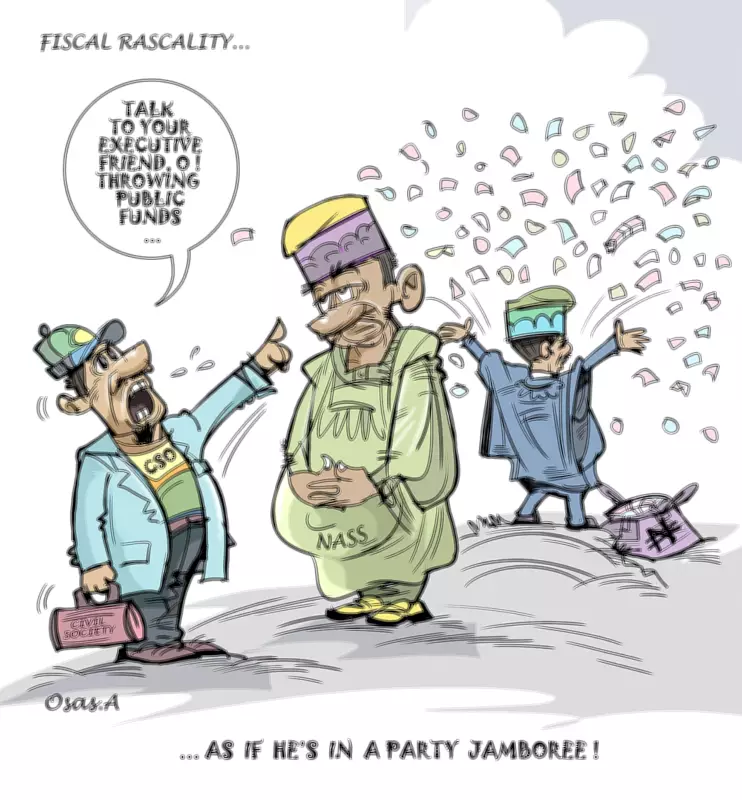
The cartoon cleverly depicts politicians engaging in self-serving activities while ignoring the needs of the populace. It also touches on economic struggles, with imagery suggesting inflation and unemployment affecting ordinary Nigerians. Social issues, including security concerns and infrastructure deficits, are portrayed through symbolic elements that invite viewers to reflect on the state of the nation.
Public Reaction and Impact
Reactions to the cartoon have been mixed, with some praising the artist for boldness and creativity in addressing sensitive topics. Others view it as a necessary critique that sparks dialogue about accountability and reform. The piece has gained traction on social media, where users share and discuss its messages, amplifying its reach beyond traditional media channels.
Historical Context of Political Cartoons in Nigeria
Political cartoons have a long history in Nigeria, serving as a tool for commentary and dissent. During periods of military rule, they often provided a subtle means of criticizing authorities without direct confrontation. In today's democratic era, cartoonists continue this tradition, using their art to hold leaders accountable and engage the public in civic discourse.
Artistic Style and Techniques
The cartoon employs exaggerated features and caricatures to emphasize its points, a common technique in satire that makes complex issues more accessible. The use of local symbols and references adds authenticity, helping it connect with a Nigerian audience. This approach not only entertains but also educates, encouraging viewers to think critically about societal problems.
In summary, this cartoon serves as a poignant reminder of the power of art in shaping public opinion and fostering social change. By blending humor with serious critique, it contributes to the ongoing conversation about Nigeria's future, urging both citizens and leaders to reflect on their roles in building a better society.