Nigerian Cartoonist Satirizes Political Corruption in Latest Guardian Publication
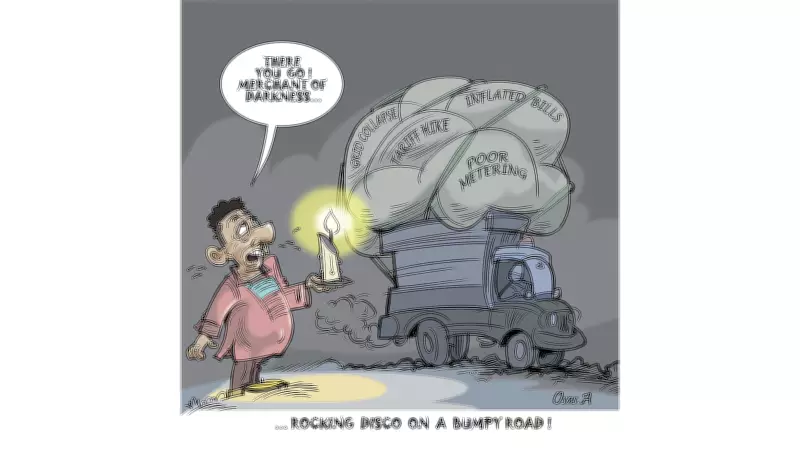
A prominent Nigerian cartoonist has released a new work in The Guardian newspaper, employing biting satire to highlight the pervasive issues of corruption and inefficiency within the country's political system. The cartoon, which has quickly gained attention, uses exaggerated imagery and witty captions to mock the slow pace of governance and the self-serving actions of some public officials.
Public Reaction and Media Impact
The publication has ignited a lively discussion among readers and media commentators, with many praising the artist's courage in addressing sensitive topics through humor. Critics argue that such satirical works play a crucial role in holding leaders accountable and fostering transparency, especially in a context where traditional journalism faces challenges. The cartoon's themes resonate with ongoing public frustrations over economic hardships and governance failures, making it a timely piece of social commentary.
Historical Context of Political Cartoons in Nigeria
Political cartoons have a long history in Nigeria as a tool for dissent and critique, dating back to colonial times. Artists have often used this medium to bypass censorship and communicate complex issues in an accessible way. In recent years, with the rise of digital media, cartoons have become even more influential, reaching wider audiences through social media platforms. This latest work continues that tradition, blending artistic skill with sharp political insight to challenge the status quo.
Key Elements of the Satire
- Depiction of bloated bureaucracies and wasteful spending.
- Critique of electoral malpractices and lack of accountability.
- Use of symbolism to represent common societal grievances.
The cartoonist's approach not only entertains but also educates, encouraging citizens to engage more critically with political processes. As Nigeria grapples with anti-corruption efforts and electoral reforms, such artistic expressions serve as a reminder of the power of free speech in a democracy.