Nigerian Cartoonist's Satirical Take on Current Affairs Sparks Debate
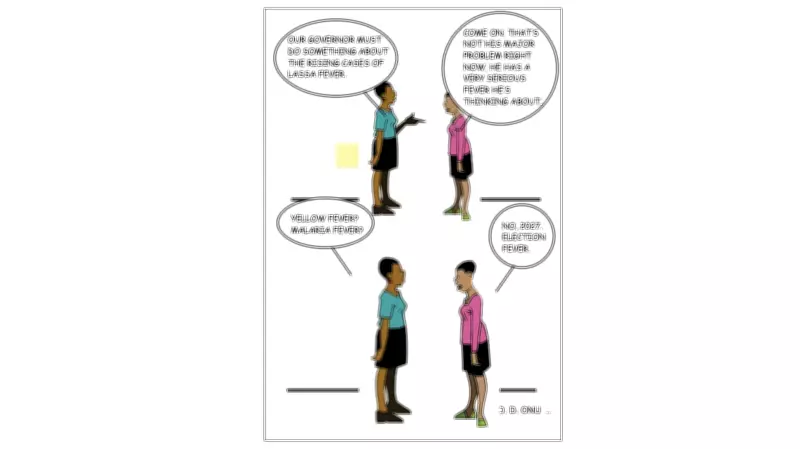
A recent cartoon published in a Nigerian newspaper has ignited a lively debate among citizens, as it uses humor and satire to comment on pressing political and social issues in the country. The artwork, created by a local cartoonist, depicts various scenes that poke fun at government policies, economic challenges, and everyday life struggles, resonating with many Nigerians who see it as a reflection of their realities.
Public Reaction and Mixed Responses
The cartoon has drawn a wide range of reactions from the public. Some viewers have praised the artist for their bold and witty approach, noting that satire serves as an important tool for holding leaders accountable and fostering critical thinking. They argue that such cartoons can spark conversations and raise awareness about societal problems in a lighthearted yet impactful way.
On the other hand, critics have expressed concerns that the cartoon might be too harsh or simplistic, potentially oversimplifying complex issues or offending certain groups. This division highlights the delicate balance cartoonists must strike between humor and sensitivity when addressing sensitive topics in a diverse society like Nigeria.
The Role of Satire in National Discourse
This incident underscores the significant role that satire and cartoons play in Nigerian media and public discourse. Historically, cartoonists have used their art to critique authority, challenge norms, and provide comic relief during turbulent times. In a country with a vibrant press and active civil society, such expressions contribute to a dynamic exchange of ideas and help shape public opinion.
Experts suggest that cartoons can serve as a barometer for societal moods, offering insights into what issues are top of mind for citizens. By blending art with commentary, cartoonists engage audiences who might not otherwise engage with traditional news formats, making complex topics more accessible and relatable.
Implications for Media and Freedom of Expression
The debate around this cartoon also touches on broader issues of media freedom and expression in Nigeria. While the country has a relatively free press, artists and journalists sometimes face challenges when their work is perceived as critical of those in power. This cartoon's reception may influence how other creators approach similar subjects in the future, potentially encouraging more nuanced or cautious portrayals.
Overall, the cartoon serves as a reminder of the power of visual media to provoke thought and discussion. As Nigeria continues to navigate various political and social challenges, such satirical works will likely remain a key part of the national conversation, offering both entertainment and insight into the country's evolving landscape.