Nigerian Cartoonist's Satirical Take on Current Affairs Sparks Debate
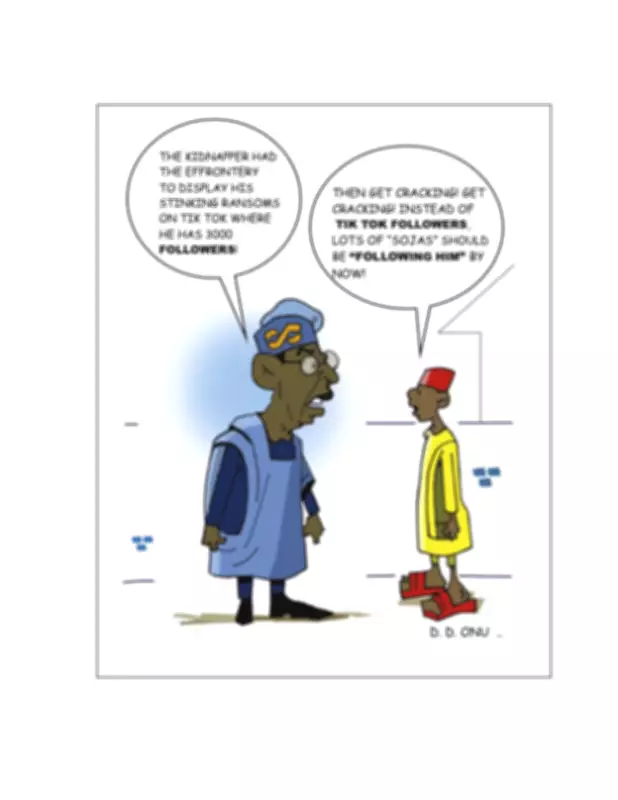
A recent cartoon published in a major Nigerian newspaper has ignited a lively debate across the country, as it uses humor and satire to critique pressing political and social issues. The artwork, created by a prominent local cartoonist, offers a sharp and witty commentary on the state of affairs in Nigeria, resonating with many citizens while also drawing criticism from some quarters.
Artistic Expression and Social Commentary
The cartoon employs exaggerated imagery and clever symbolism to highlight topics such as governance, corruption, and economic challenges. By blending artistic expression with social commentary, the cartoonist aims to provoke thought and encourage public discourse on matters that affect everyday life in Nigeria. This approach is part of a long tradition of using satire to hold leaders accountable and reflect societal concerns.
Mixed Reactions from the Public
Reactions to the cartoon have been varied, with some viewers praising its boldness and relevance, while others argue it oversimplifies complex issues. Supporters appreciate how it brings attention to critical problems in a digestible and engaging manner, often sparking conversations on social media and in community gatherings. Critics, however, contend that such satire can sometimes be divisive or fail to capture the nuances of the situations it depicts.
The Role of Satire in National Discourse
This incident underscores the significant role that satire and cartoons play in Nigerian media and public discourse. They serve as a tool for:
- Critiquing Authority: By humorously exposing flaws in governance and leadership.
- Engaging Citizens: Making complex political issues more accessible to a broader audience.
- Promoting Dialogue: Encouraging discussions that might otherwise be avoided in formal settings.
In a nation with a vibrant media landscape, cartoons often act as a barometer of public sentiment, reflecting the hopes, frustrations, and aspirations of the people.
Impact on Cultural and Political Landscape
The cartoon's release has also highlighted the intersection of art and politics in Nigeria, where creative works frequently influence public opinion and policy debates. As the country navigates various challenges, from economic reforms to security concerns, such satirical pieces contribute to a richer, more dynamic national conversation. They remind citizens of the power of free expression and the importance of holding those in power to account through creative means.
Overall, this cartoon serves as a poignant example of how humor and art can be leveraged to address serious issues, fostering a more informed and engaged populace in Nigeria.