Nigerian Cartoonist's Satirical Take on Current Affairs Sparks Debate
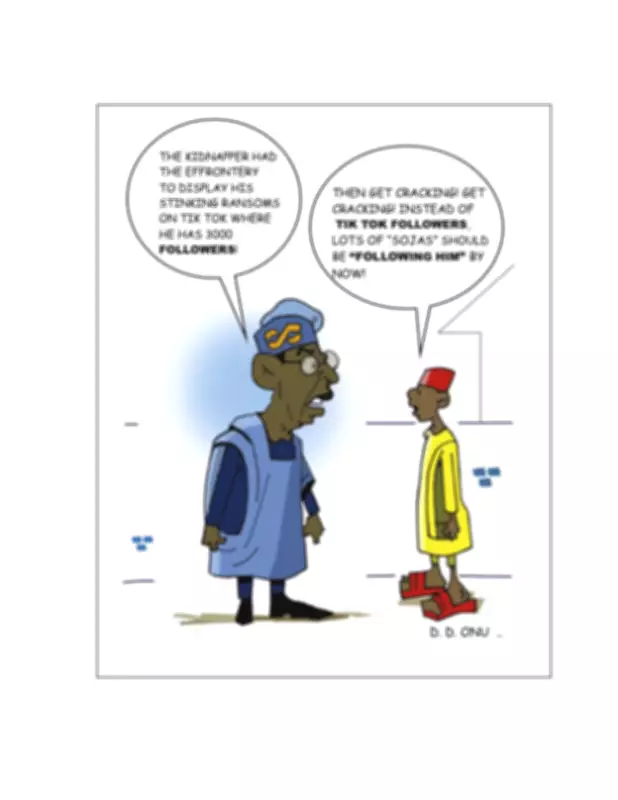
A recent cartoon published in a major Nigerian newspaper has ignited widespread discussion across the country, as it uses humor and satire to comment on pressing political and social issues. The artwork, created by a prominent local cartoonist, depicts various scenes that cleverly critique government policies, economic challenges, and societal norms, resonating with many citizens who see it as a reflection of their daily realities.
Artistic Expression and Public Reaction
The cartoon employs exaggerated characters and symbolic imagery to highlight topics such as corruption, infrastructure deficits, and public service inefficiencies. For instance, one panel shows a politician making empty promises while standing on a crumbling road, a visual metaphor that has drawn both laughter and frustration from viewers. This blend of artistry and social commentary has made the cartoon a viral topic on social media platforms, where users are sharing their interpretations and debating its messages.
Public reaction has been mixed, with some praising the cartoonist for courageously addressing sensitive issues through accessible humor. Supporters argue that satire serves as a vital tool for holding leaders accountable and fostering civic engagement, especially in a democracy where free expression is valued. On the other hand, critics have accused the cartoon of being overly simplistic or biased, suggesting that it may oversimplify complex problems or unfairly target certain groups.
The Role of Satire in Nigerian Media
This incident underscores the growing importance of satire in Nigerian media as a means of sparking dialogue on national affairs. Cartoons and other forms of humorous commentary have become increasingly popular, offering a lighthearted yet impactful way to discuss serious topics. Experts note that such content can reach a broad audience, including those who might not engage with traditional news formats, thereby amplifying public discourse.
Historically, Nigerian cartoonists have used their craft to comment on everything from elections to economic policies, often facing scrutiny or censorship in the process. The current cartoon continues this tradition, demonstrating how art can transcend entertainment to become a catalyst for social change. As debates rage on, it highlights the delicate balance between freedom of expression and responsible journalism in the country's evolving media landscape.
Implications for National Discourse
The cartoon's popularity suggests a hunger among Nigerians for more creative and critical perspectives on governance and society. By blending humor with hard-hitting truths, it encourages citizens to reflect on their roles in shaping the nation's future. This event may inspire other artists and media outlets to explore similar approaches, potentially enriching the public sphere with diverse voices and viewpoints.
In conclusion, the cartoon serves as a reminder of the power of satire to provoke thought and discussion in Nigeria. As the country navigates various challenges, such artistic expressions can help bridge gaps between different segments of society, fostering a more informed and engaged populace. Whether seen as a joke or a serious critique, it undeniably contributes to the ongoing conversation about Nigeria's path forward.