Nigerian Cartoonist's Satirical Take on Current Affairs Sparks Debate
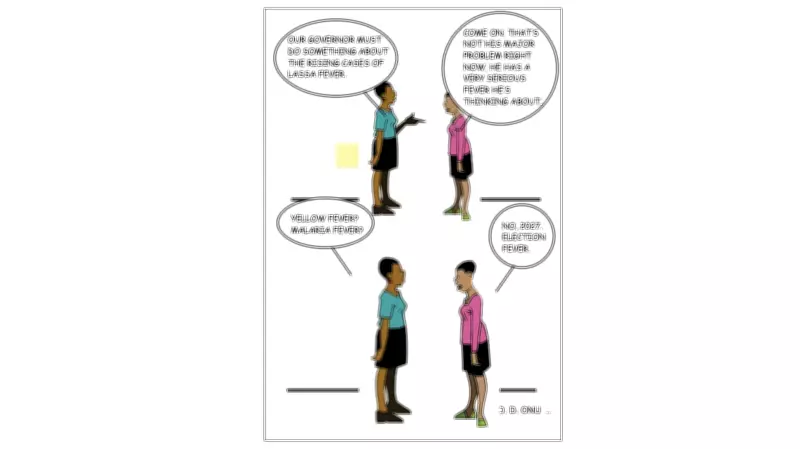
A recent cartoon published in a Nigerian newspaper has ignited a lively debate across the country, as it uses humor and satire to comment on pressing political and social issues. The artwork, created by a local cartoonist, depicts various scenes that cleverly mock government policies, economic challenges, and societal norms, resonating with many citizens who see it as a reflection of their daily struggles.
Public Reactions and Mixed Responses
The cartoon has elicited a wide range of responses from the public. Some viewers praise the artist for using satire to highlight corruption and inefficiency in governance, viewing it as a powerful tool for social critique. They argue that such cartoons can foster public awareness and encourage dialogue on important topics. However, others have criticized the piece, claiming it oversimplifies complex issues or disrespects political figures, potentially undermining national unity.
This mixed reaction underscores the polarizing nature of satire in Nigeria, where freedom of expression often clashes with cultural sensitivities and political correctness. Supporters of the cartoon emphasize its role in holding leaders accountable, while detractors call for more constructive forms of criticism.
The Role of Satire in Nigerian Media
Satirical cartoons have a long history in Nigerian media, serving as a means to comment on current events without direct confrontation. In a country where political discourse can be tense, these artworks provide a lighter yet impactful way to address serious matters. Experts note that cartoons can reach a broad audience, including those who might not engage with traditional news, thus amplifying their influence.
This particular cartoon is part of a broader trend where Nigerian artists use visual humor to tackle topics such as economic hardship, security concerns, and electoral processes. By doing so, they contribute to a vibrant public sphere where diverse opinions are expressed and debated.
Implications for Freedom of Expression
The debate surrounding this cartoon also touches on broader issues of freedom of expression in Nigeria. While the constitution guarantees this right, artists and journalists sometimes face backlash or censorship when their work is deemed controversial. This incident highlights the delicate balance between creative freedom and social responsibility in a democratic society.
As discussions continue, many are calling for greater tolerance and understanding, recognizing that satire can be a valuable part of national discourse when used responsibly. The cartoon serves as a reminder of the power of art to provoke thought and inspire change, even in challenging times.