Nigerian Cartoonist's Satirical Take on Current Affairs Sparks Debate
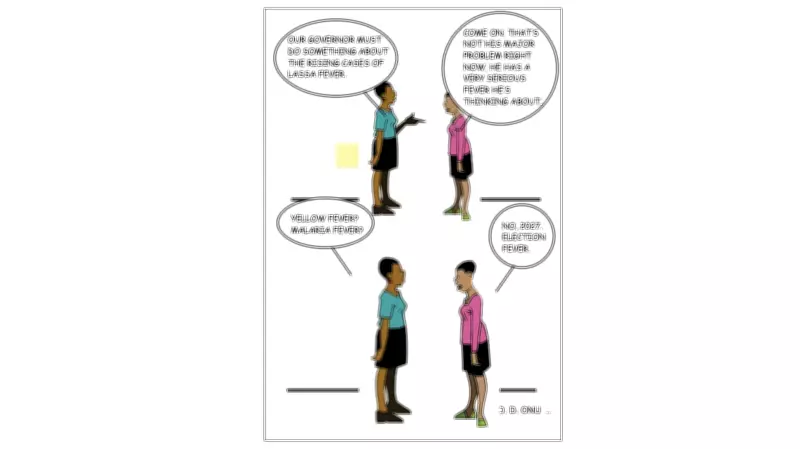
A recent cartoon published in a Nigerian newspaper has captured widespread attention for its incisive and humorous commentary on the nation's current political and social landscape. The artwork, which cleverly blends visual metaphors with sharp wit, serves as a powerful tool for social critique, reflecting the artist's perspective on pressing issues such as governance, corruption, and public welfare.
Art as a Mirror to Society
Cartoons have long been a vital medium for expressing dissent and fostering public dialogue in Nigeria. This particular piece exemplifies how artists use satire to highlight societal flaws without resorting to overt confrontation. By employing exaggerated characters and symbolic imagery, the cartoonist effectively communicates complex ideas in an accessible manner, making it resonate with a broad audience.
The impact of such cartoons extends beyond mere entertainment; they often provoke thought and encourage citizens to question the status quo. In a country where freedom of speech can be contentious, these artistic expressions provide a safe space for critique, subtly challenging authority while avoiding direct conflict.
Public Reaction and Broader Implications
Since its publication, the cartoon has sparked lively debates on social media and in public forums. Many readers praise its boldness and creativity, seeing it as a refreshing take on Nigeria's often-grim news cycle. Others, however, argue that satire can sometimes oversimplify issues or perpetuate stereotypes, calling for more nuanced discussions.
This cartoon underscores the evolving role of art in Nigerian society, where traditional and digital platforms converge to amplify voices. As political tensions and economic challenges persist, such works remind us of the importance of creative expression in shaping public opinion and holding leaders accountable.
In conclusion, this cartoon not only entertains but also educates, serving as a poignant reminder of the power of art to reflect and influence societal change. Its reception highlights the ongoing need for diverse perspectives in Nigeria's media landscape, fostering a more engaged and informed citizenry.