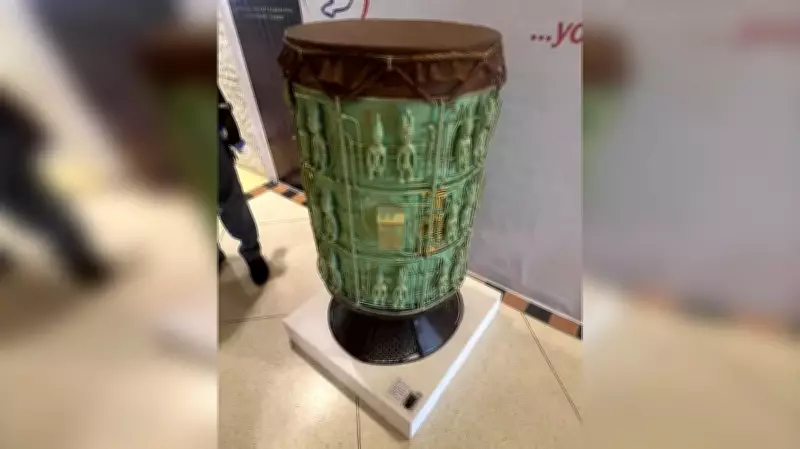
Fobally Art World's Lagos Carnival Explores 1800s African Heritage Influence
Leading contemporary art gallery, Fobally Art World Africa, recently hosted its annual Lagos Easter Art Carnival, bringing together artists, historians, performers, and culture enthusiasts for a week-long immersive exploration of African art and culture from the 1800s. The event, held at the Federal Palace Hotel in Lagos, focused on how this historical period continues to influence modern art today.
Exhibition Highlights Historical Resilience and Sustainability
Now in its third consecutive year, the exhibition was themed African Culture in the 1800s. It explored the intersection of historical resilience and future sustainability, emphasizing the 19th-century African experience as a foundational, living heritage. This period was characterized by profound cultural vitality alongside external pressures, such as colonial influences, which the gallery's research-based approach reconstructed not just as a time of struggle but as one of adaptation, resilience, and rich identity.
The showcase featured varied regional experiences, including the blending of indigenous traditions with European and Islamic influences in 19th-century Senegal. In South Africa, it highlighted the mix of indigenous Zulu, Xhosa, and Sotho clan-based societies, known for ancestral worship, energetic performances like Ndula, and communal living.
Curator's Vision for Cultural Rebirth and Education
Creative director and curator Folasade Abiola noted that the 1800s serve as a metaphor for cultural rebirth. The exhibition examined how communities maintained their identity amid profound changes, depicted through a variety of mediums that showcase the ingenuity of traditional practices. Abiola emphasized the goal of using historical knowledge to guide contemporary and future generations by focusing on sustainability through cultural preservation and rebirth.
"The goal is to infuse the traditional Easter celebrations with a modern twist, reflecting on our ancient traditions and culture passed down through generations, as well as the resilience of African people to make this carnival a truly storytelling educative event," she said. By using the past to educate the present, the initiative aims to build a future where younger generations are connected to their roots.
Artistic Showcase and Community Engagement
The exhibition featured a curated collection of paintings and sculptures from established masters and emerging talents, along with artistic displays, live painting, and performing arts. Beyond the artistic showcase, the Art Carnival served as a hub for community engagement, offering educational programs, workshops, and initiatives that promoted creativity, cultural awareness, and social responsibility.
Keynote Insights on 1800s Art Influence
Keynote speaker Associate Professor Timothy Olusola Ogunfuwa from the University of Lagos traced the history of arts over the last few centuries, describing the 1800s as a defining epoch across Africa. He highlighted thriving kingdoms, complex trade networks, spiritual traditions, and artistic mastery during this period.
"In Yorubaland, for instance, regal courts flourished with bead-work, bronze casting, and indigo-dyed textiles, all of which reflect heavily in artworks today," Ogunfuwa explained. He added that across the Sahel, trans-Saharan commerce carried goods, ideas, culture, and arts, while in Central and Southern Africa, oral traditions preserved genealogies and cosmologies that continue to shape identity and art today.
"Art does not exist in isolation, and while we can argue that art today looks different, the truth is that when examined closely, it resembles art from that period. This only shows the influence the 1800s have on modern art as we know it today," he concluded.
Panel Discussion on Art Sustainability
A panel discussion anchored by Folasade Abiola included Dr. Adeola Balogun, Dr. Solomon Adekunle Adeyemi, Edna Abugewa Wyse-Ekenimoh, and Rasheed Adedamola Amodu. They delved deeper into art from the 1800s, its influence on modern art, potential impacts on future art, and the sustainability of visual and cultural arts, reinforcing the exhibition's themes of historical continuity and innovation.