Many have requested that these articles be compiled into a book for future generations and for Yoruba descendants in the diaspora. To understand my motivation for writing about the Yoruba people, read this article to the end, where I share the story that inspired this research.
Why Write About the Yoruba?
Before delving into today's topic, I borrow wisdom from celebrated Igbo writer Chinua Achebe. My effort is not to prove superiority but to shed light on what makes this ethnic group unique. Achebe popularised the African proverb: "Until the lions have their own historians, the history of the hunt will always glorify the hunter." This means history is often written by the victors, while the perspectives of the oppressed are overlooked. The story of Africa has often been told by colonial powers. As a Yoruba person, I confess I did not know many facts about my people until I began this journey. My focus is on the uniqueness, peculiarities, and exceptionalism of this remarkable ethnic group. The lions must tell their own stories. I believe these articles and the subsequent book will be one of my greatest gifts to the race that gave me life.
How to Enter the Yoruba Elite Circle
Having established the greatness of the Yoruba people, I now discuss how other cultures and individuals can gain smooth entrance into Yoruba society. This also helps ordinary Yoruba men and women who wish to access elite circles. Yoruba elite networks are structured, layered, and reputation-driven. You do not enter them quickly; you earn access through positioning. I break this into three parts: key Yoruba power players, core structures where influence sits, and how entry actually works.
Key Yoruba Power Players
Political Power Bloc: These are the highest influence actors, controlling access, appointments, contracts, and protection. Key figure: Bola Ahmed Tinubu, central node of modern Yoruba political structure. Other influential actors include current and former governors of South-West states and senior party strategists within the All Progressives Congress. Political access often determines everything else.
Business and Financial Elite: Economic power holders include industrialists, banking executives, major real estate players, and oil and gas operators. Examples: Aliko Dangote (not Yoruba but interacts heavily with Yoruba economic space, referring to himself as a Lagosian) and Femi Otedola. Many wealthy actors are less publicly visible but deeply networked behind the scenes.
Traditional Institutions: Yoruba kingship still carries real influence. Top example: Oba Adeyeye Ogunwusi. Major Obas across Lagos, Oyo, Ogun, Osun, Ekiti, Ondo, Kwara, and Kogi influence legitimacy, cultural endorsement, dispute resolution, and elite introductions. Ignore this layer at your own risk.
Intellectual and Professional Elite: Senior lawyers, academics, policy experts, and media figures like Wole Soyinka shape narratives, ideology, and legitimacy.
Diaspora and Global Connectors: UK/US-based professionals, financiers, and tech founders bring capital, global access, and credibility.
Core Structures of Yoruba Power
Power is not random; it sits inside structures. Political Structure: Party networks (especially APC), state governments (especially Lagos), and political families. Economic Structure: Banking networks, real estate ecosystems, trade and logistics channels. Lagos is the centre of gravity. Social and Elite Clubs: Rotary/Lions (entry-level elite), high-end business clubs, private invitation-only circles. Many deals happen here. Religious Networks: Major churches, Islamic leadership, faith-based networks provide trust, social capital, and large-scale influence. Family and Lineage Systems: Certain families have multi-generational influence, controlling networks across sectors.
How to Enter Yoruba Elite Circles
Growing up in my village of Idomila, Ijebu-Ode some 60 years back, I saw the workings of the real Yoruba people but did not fully acknowledge the principles behind their actions. Over the years, studying nations and peoples in Europe, I began to appreciate my own people better, especially their beliefs and values. Recently, Nigeria has been plagued by the mindset that "money buys all," including influence. Because of social media, Yoruba young people are falling prey to this tendency. I hope this write-up reminds the Yoruba people who they really are and what values shaped their history.
First Rule: You cannot buy your way into the Yoruba circle of influence. Money helps, but access comes from trust, not just wealth.
Step 1: Position Yourself Correctly. You must be seen as valuable, serious, consistent, and not opportunistic. Your current plan (business, capital, international structure) is a strong starting position.
Step 2: Enter Through Structured Channels. Best entry points: professional gateways (lawyers, accountants, consultants, bankers who already serve elite clients and can introduce you indirectly), clubs and associations (Rotary, Lions, high-level business clubs as soft entry points), and business transactions (doing real deals, delivering results, handling money professionally builds trust fastest).
Step 3: Build Relationships, Not Contacts. You need repeated interactions, reliability, and discretion. In Yoruba elite culture, one strong relationship equals 100 contacts.
Step 4: Get Introduced (Critical). You do not approach top players cold. You get introduced by someone trusted after proving yourself. This is how you move up levels. In Yoruba culture, an Omoluabi is much better appreciated than a rich man without values.
Step 5: Show Long-Term Presence. You must signal that you are not temporary, you are building something real, and you are here for the long term.
Step 6: Respect Hierarchy and Culture. This matters more than people admit: respect elders, respect titles, understand cultural signals. While some cultures pride themselves on never bowing to another human being, a Yoruba will proudly bow to anyone senior. Respect and the culture of honor are second nature to the Yoruba.
Strategic Insight
There are three layers of access: Layer 1: Social Access (events, clubs, public spaces). Layer 2: Business Access (deals, partnerships). Layer 3: Inner Circle (trust, influence, power). Most people never pass Layer One. Even though Yorubas do not joke with parties and Owanbe gatherings, connections at parties are not enough to fully position you for influence.
Common Mistakes
Avoid trying to rush access, showing too much money too early, appearing transactional, ignoring cultural norms, and talking more than listening.
Final Truth
Yoruba elite systems are trust-based, layered, and time-tested. To enter, you must bring value, build trust, stay consistent, and move step-by-step.
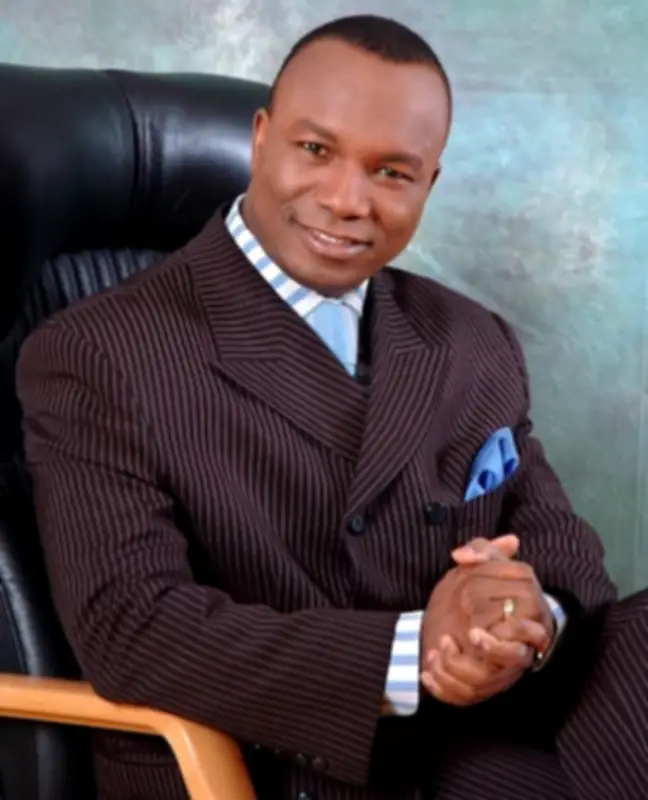
Sunday Adelaja is a Nigerian-born leader, transformation strategist, pastor, and innovator. He was based in Ukraine.