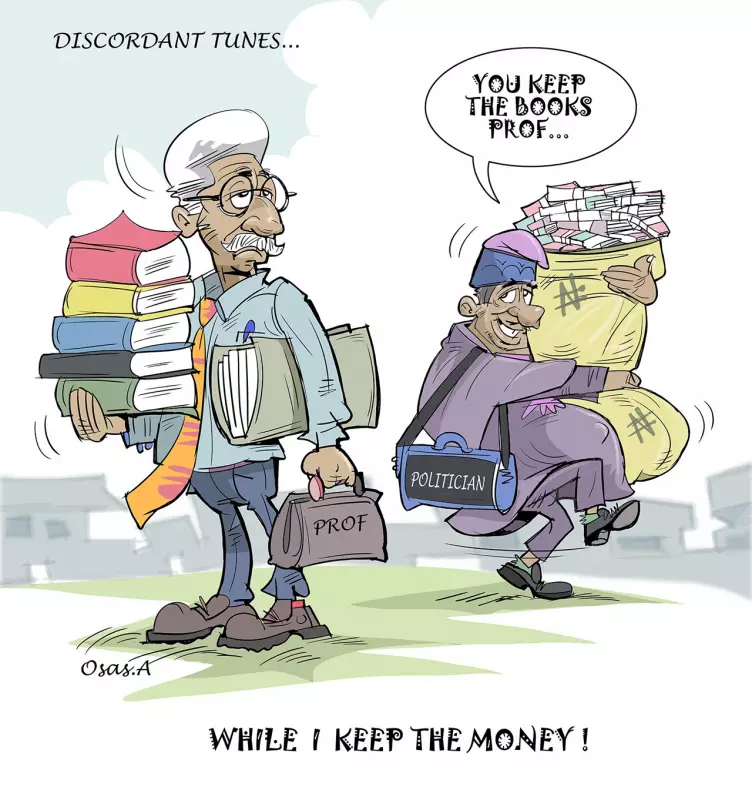
The editorial pages of Nigeria's leading newspapers often carry more than just written opinions. A powerful visual commentary has been published by The Guardian Nigeria, capturing the mood of the nation through the sharp lens of satire. The latest installment, simply identified as Cartoon 529, continues this long-standing tradition of using art to reflect on societal and political realities.
Decoding the Visual Narrative
While the specific imagery of Cartoon 529 is described by its identifier, the genre itself is a cornerstone of Nigerian public discourse. Editorial cartoons in publications like The Guardian serve as a mirror to society, simplifying complex issues into a single, often poignant frame. These artworks tackle a wide spectrum of themes prevalent in the national conversation.
Common subjects include the challenges of governance and political accountability, where leaders might be depicted in allegorical scenarios. The state of the economy and the plight of the common citizen facing inflation and hardship is another frequent focus. Furthermore, cartoons boldly address issues of security, corruption, and social injustice, giving visual form to public frustration and hope.
The Role of Satire in National Dialogue
The power of an editorial cartoon lies in its ability to communicate instantly and memorably. Where thousands of words might be needed to dissect a policy failure, a well-drawn cartoon can convey the essence in a glance. This makes it an incredibly effective tool for engaging the public and stimulating critical thought.
For the Nigerian readership, these cartoons provide a form of civic engagement and emotional release. They validate shared experiences and, through humor and exaggeration, offer a collective sigh or a moment of recognition. The cartoonist acts as a visual journalist, whose pen is as influential as the columnist's keyboard in shaping public opinion and holding power to account.
A Legacy of Commentary and Critique
The publication of Cartoon 529 is not an isolated event but part of a vital continuum. Nigerian newspapers have a rich history of hosting talented cartoonists whose work has become part of the country's media heritage. Each cartoon contributes to an ongoing visual archive of the nation's journey.
By featuring such content, The Guardian reaffirms its commitment to multifaceted journalism that goes beyond traditional reporting. It acknowledges that analysis and commentary can be powerfully delivered through art. For the audience, it is a reminder to pause and reflect on the illustrated summary of the week's events, finding both critique and a spark of dialogue in the ink lines.
In conclusion, while the specific details of Cartoon 529 are encapsulated in its visual form, its existence underscores the enduring relevance of editorial satire in Nigeria. It represents a crucial thread in the fabric of national media, offering insight, provoking discussion, and reminding readers that sometimes the most profound truths are conveyed not with a headline, but with a drawing.