Guardian Newspaper's Editorial Cartoon Sparks Debate on Nigerian Politics
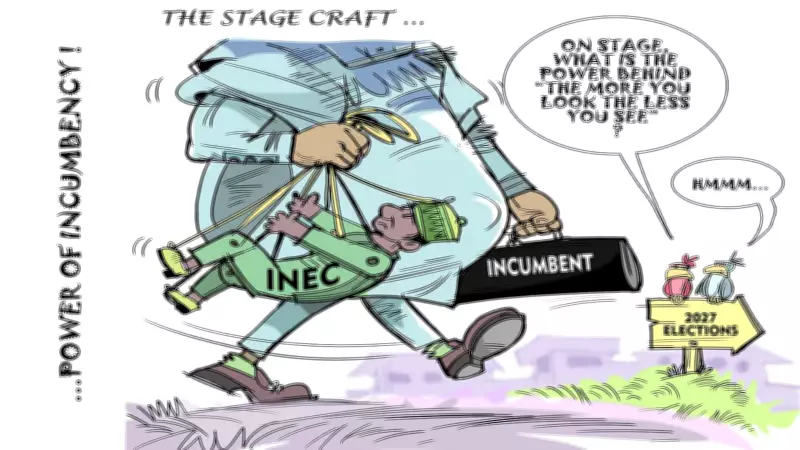
A recent editorial cartoon published by The Guardian newspaper has ignited widespread discussion and controversy, highlighting key political issues in Nigeria through satirical art. The cartoon, identified as number 593 in the publication's series, uses visual metaphors and humor to critique current events, drawing attention from readers, politicians, and media analysts alike.
Content and Themes of the Cartoon
The cartoon depicts various political figures and scenarios in a stylized manner, focusing on themes such as governance, corruption, and public accountability. By employing exaggerated features and symbolic imagery, the artist aims to provoke thought and encourage dialogue on pressing national matters. The use of satire allows for a critical yet accessible commentary that resonates with a broad audience.
Public and Political Reactions
Reactions to the cartoon have been mixed, with some praising it for its boldness and creativity in addressing sensitive topics. Supporters argue that such art plays a vital role in holding leaders accountable and fostering democratic discourse. However, critics have raised concerns about potential bias or oversimplification, suggesting that the cartoon may not fully capture the complexities of the issues it portrays.
Political figures mentioned or alluded to in the cartoon have responded variably, with some dismissing it as mere entertainment while others have engaged with its messages more seriously. This divergence in responses underscores the cartoon's impact in shaping public opinion and sparking debates across social media and traditional news platforms.
Role of Editorial Cartoons in Media
Editorial cartoons have a long history in Nigerian journalism, serving as a powerful tool for social and political commentary. They often distill complex issues into digestible visuals, making them accessible to readers of all backgrounds. The Guardian's cartoon series, in particular, is known for its incisive wit and ability to capture the zeitgeist of the nation.
Experts note that such cartoons can influence public perception and even policy discussions by highlighting overlooked aspects of governance. In a media landscape increasingly dominated by digital content, they remain a relevant and impactful form of expression, blending art with journalism to critique and inform.
Broader Implications for Nigerian Society
The debate surrounding this cartoon reflects larger societal tensions and the ongoing struggle for transparency and reform in Nigeria. It underscores the importance of free speech and artistic freedom in a democratic society, as well as the challenges faced by media outlets in balancing critique with responsibility.
As discussions continue, the cartoon serves as a reminder of the power of visual media to engage citizens and stimulate critical thinking about national issues. Whether viewed as provocative or enlightening, it has undoubtedly contributed to the vibrant tapestry of Nigerian political discourse.