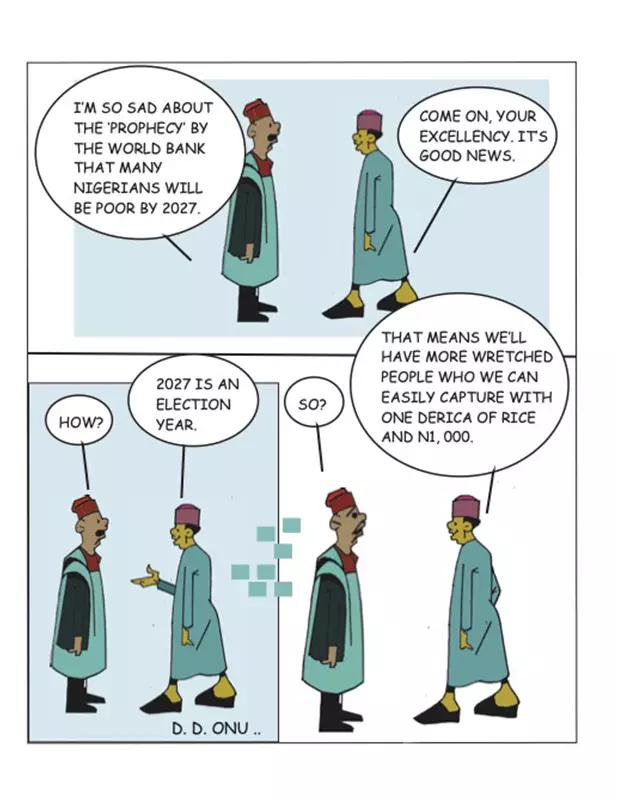
In the dynamic landscape of Nigerian media, editorial cartoons continue to serve as powerful instruments of social commentary and political critique. The latest offering from Guardian Nigeria, identified as Cartoon 490, presents a compelling visual narrative that captures the essence of contemporary Nigerian society with sharp wit and insightful observation.
The Art of Visual Commentary in Nigerian Media
Editorial cartoons have long been an integral part of Nigeria's journalistic tradition, providing a unique blend of humor, criticism, and social awareness. These visual commentaries offer readers an alternative perspective on complex political and social issues, often conveying messages that might be challenging to express through conventional journalism. The Guardian Nigeria has consistently maintained this tradition of excellence in cartoon journalism, with Cartoon 490 representing their ongoing commitment to this art form.
What makes these cartoons particularly effective is their ability to transcend literacy barriers and communicate complex ideas through simple, yet powerful imagery. They serve as a mirror to society, reflecting both the triumphs and challenges of the Nigerian experience. Through clever symbolism and exaggerated features, cartoonists can highlight societal contradictions and political ironies that might otherwise go unnoticed in traditional news coverage.
Decoding the Message Behind Cartoon 490
While the specific visual elements of Cartoon 490 require direct observation to fully appreciate, the tradition of Nigerian editorial cartoons suggests it likely addresses pressing national issues with both humor and seriousness. These artworks typically employ local symbolism and cultural references that resonate deeply with Nigerian audiences, creating an immediate connection with viewers who understand the contextual nuances.
The strength of such cartoons lies in their ability to speak truth to power while maintaining accessibility to the general public. They often tackle subjects ranging from governance and corruption to social inequality and economic challenges, all while maintaining a distinctive Nigerian perspective. The cartoonist's skill in balancing criticism with entertainment value ensures that important messages reach a broad audience without sacrificing depth or significance.
The Enduring Impact of Editorial Cartoons in Nigeria
In a nation where freedom of expression sometimes faces challenges, editorial cartoons provide a crucial platform for dissent and dialogue. They represent an important aspect of Nigeria's democratic process, allowing for the critique of power structures and social norms in a manner that is both engaging and thought-provoking. The continued publication of such works in major outlets like Guardian Nigeria demonstrates the resilience of this art form and its importance to national discourse.
These visual commentaries do more than just entertain; they educate, inform, and stimulate public conversation about matters of national importance. By presenting complex issues in an accessible format, they empower citizens to engage with current affairs and form their own opinions. The cartoonist's pen becomes a tool for democracy, challenging readers to look beyond surface-level narratives and consider deeper truths about their society.
As Nigeria continues to navigate its complex political and social landscape, the role of editorial cartoons remains more relevant than ever. They provide a necessary counterpoint to official narratives and offer citizens an alternative lens through which to view their leaders and institutions. The preservation of this tradition represents an important commitment to pluralism and free expression in Nigerian media.