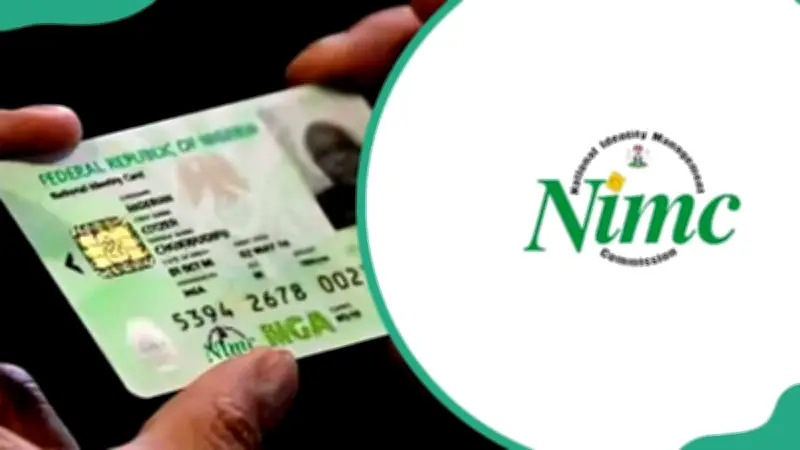
The National Identity Management Commission (NIMC) has launched a new consent-based verification system, NIN Authentication (NINAuth), designed to allow Nigerians to verify their identities without exposing raw National Identification Number (NIN) details. The platform, which provides web, API, and mobile verification services, will serve as NIMC's official channel for organisations seeking to integrate with its identity infrastructure.
How NINAuth Works
NINAuth's core feature is its consent-based approach. According to NIMC, a NIN holder must explicitly authorise the sharing of personal information before it can be accessed for Know Your Customer (KYC) procedures or other verification purposes. This gives Nigerians greater control over their personal data while offering organisations a more secure route for confirming identities.
The system supports identity verification across multiple sectors, including SIM registration, immigration and passport processing, tax filings, and financial transactions. Instead of repeatedly handing over sensitive identity details, NINAuth creates a controlled channel through which institutions can confirm a person's identity with the individual's consent.
NIMC Reacts to Alleged Database Breach
The rollout comes amid renewed attention on the security of Nigeria's national identity infrastructure following the circulation of a social media video alleging that the NIN database had been compromised. NIMC dismissed the allegation as false and unfounded, explaining that the video was a recycled report from 2024 that had previously been addressed.
"The Commission National Identity Database (NIDB) has not been breached or compromised at any point," NIMC said. The commission maintained that it operates multi-layered security infrastructure to safeguard information belonging to registered Nigerians and legal residents in line with international best practices.
Compliance and Data Protection
NIMC said the new authentication system is designed to comply with the NIMC Act 2026 and the Nigeria Data Protection Act 2023, which provide requirements for the fair, lawful, and transparent processing of personal information. The commission added that it would continue working with security agencies and relevant institutions to strengthen the national identity system.
The development comes as Nigeria's expanding digital economy becomes increasingly dependent on reliable identity infrastructure. Banks, telecommunications companies, government agencies, and other service providers rely on identity verification for transactions and access to services. NIMC said NINAuth is intended to strike a balance between expanding the usefulness of NIN and ensuring increased reliance on the national identifier does not result in unnecessary exposure of citizens' personal information.
Background and Future Plans
Legit.ng earlier reported that President Bola Tinubu has directed NIMC to accelerate NIN enrollment across Nigeria, setting a target of 95% coverage by December 2026. The directive comes as NIN enrolment has climbed to about 142 million Nigerians and legal residents, up from more than 80 million when Tinubu assumed office.
NIMC urged the public to rely on its official communication channels for information about the National Identity Management System and avoid spreading unverified claims capable of creating unnecessary panic. The commission stressed that protecting the personal information of Nigerians and legal residents remains a priority as the country continues to integrate NIN into more services.