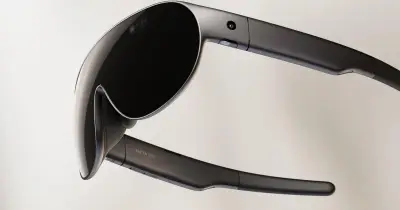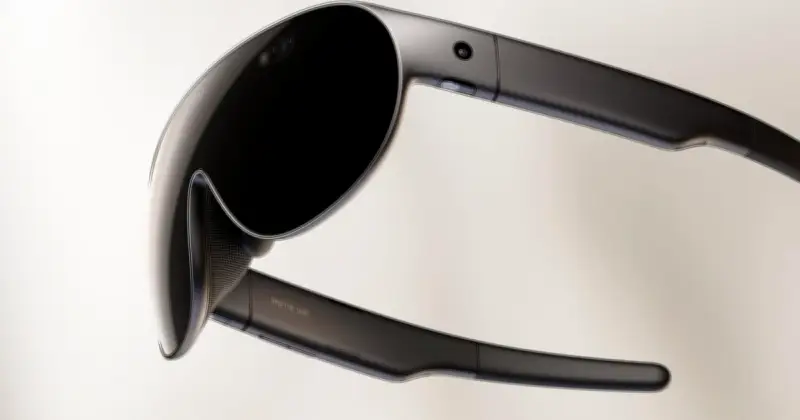
Meta has unveiled camera-free AI smart glasses starting at $349 to address growing privacy concerns, alongside a new AI assistant called Muse, during its annual Connect conference in Menlo Park, California. The audio-only glasses, which begin shipping on October 13, cannot take photos or record videos, directly responding to global criticism over secret recordings made with wearable cameras.
Meta's new audio-only smart glasses: no camera, more privacy
The new audio-only smart glasses are designed for users who want AI features without the privacy risks of a built-in camera. Users can listen to music, make calls, access AI features, and interact with Meta's digital assistant. The glasses are part of Meta's broader push to make AI glasses mainstream, with CEO Mark Zuckerberg predicting that most of the nearly 2 billion glasses wearers worldwide will eventually upgrade to AI versions.
Zuckerberg told developers and executives at the Connect conference: “There are almost 2 billion people in the world who wear glasses today… and we think that in the coming years, most of these are going to get upgraded to AI glasses.” The company is not abandoning camera-equipped models, though; it also introduced several new versions of its Ray-Ban Meta smart glasses that still include cameras for photos and videos.
Privacy design and 'pervert glasses' criticism
Meta insists privacy has been part of the design process from the beginning. Vishal Shah, Meta's Vice President of AI Product, said the company has continued improving visible recording indicators on its camera-enabled glasses. “We wanted people to clearly understand that this was something that was recording, and we’ve only made that light more explicit over time,” Shah said. He added: “We said a lot about that when the glasses first launched, and I think we probably need to keep repeating that more than we have been more recently because none of that’s changed.”
The launch comes as wearable cameras have increasingly attracted criticism, with some critics referring to them as "pervert glasses" because they can be used to secretly record people, especially women and girls.
Muse AI assistant: from answering to doing
Beyond the glasses, Meta introduced Muse, an AI assistant designed to perform tasks for users. After linking accounts such as banking, shopping, and health services, users can ask Muse to book appointments, make phone calls, register for services, and complete other everyday tasks. Zuckerberg described Muse as "the centerpiece of our vision" for Meta's future.
Meta says Muse has already climbed to the top of both the Google Play Store and Apple's App Store, overtaking ChatGPT, Google's Gemini, and Anthropic's Claude in free app rankings. The company also teased the Muse Charm, a small puck-shaped gadget with a display that allows users to interact with the AI assistant without a smartphone. It is expected to launch before the holiday season, although pricing has not yet been announced.
New Ray-Ban styles and lighter VR headset
Meta also announced fresh styles of its flagship Ray-Ban Meta smart glasses, while its display-enabled version, starting at $799, will soon become available in countries including the UK, France, Germany, Italy, and Canada. The company also revealed a lighter mixed reality headset called Meta VR Glasses, connected by a cable to an external battery and memory pack, reducing the weight on users' heads. According to Zuckerberg, the headset weighs about as much as a deck of playing cards and relies on hand gestures and voice commands instead of physical controls. The Meta VR Glasses are expected to launch in spring 2027 with a starting price of $1,299.
Ongoing regulatory pressure and legal challenges
The announcement comes as Meta continues facing regulatory pressure over privacy and child safety. In August, the company agreed to settle a lawsuit filed by several US states over alleged violations of consumer protection and children's online privacy laws. The settlement could cost Meta up to $18 billion and includes additional restrictions aimed at protecting teenage users. Meta also continues to face age-related restrictions in several countries, alongside thousands of potential personal injury lawsuits in the United States.