Have you ever found yourself in an art gallery, staring blankly at a painting while secretly wondering when you can escape to get some proper food and real conversation? You're not alone. Many Nigerians feel intimidated by art, believing it requires special knowledge or education to understand. The truth is much simpler than that.
Art Is Experience, Not Examination
Art isn't a puzzle you need to solve - it's an experience you're meant to feel. You don't need a degree in art history to appreciate beautiful works. All you need is curiosity, some patience, and the willingness to actually look at what's in front of you. Once you stop trying to "get it," you might just discover why people fall in love with art.
Practical Steps for Art Appreciation
The first step is simple: look. Really look at the artwork. Ask yourself what the artist might be communicating. It could be a story, an emotion, or simply an interesting arrangement of colors and shapes. Sometimes art exists because the artist wanted to experiment - and that's perfectly valid too.
When you're honest about what you see and feel, connection becomes easier. The artwork might feel chaotic, peaceful, or nostalgic. Whatever emotion it stirs in you is valid. There's no right or wrong answer when experiencing art.
Trust Your Own Judgment Over Critics
While art critics can provide helpful context, they're not the ultimate authority on what you should feel. Often, their interpretations sound disconnected from how ordinary people experience art. Some background about the artist and their era can add texture to your understanding, but it shouldn't override your personal response.
True appreciation begins with how the piece makes you feel. Is it visually interesting? Does it demonstrate skill or patience? Does it evoke any emotion, even confusion or irritation? That emotional spark is part of the point.
Experience Art in Person
To build a genuine connection with art, you need to see it physically. Visit local galleries or museums in Lagos, Abuja, or other Nigerian cities and walk through without pressure to understand everything. When a piece catches your eye, pause and ask yourself what you like about it. If you're with company, discuss your observations.
If certain works don't move you at all, that's worth exploring too. Understanding why something doesn't resonate can be as revealing as understanding what does.
Understanding Nigerian Art Examples
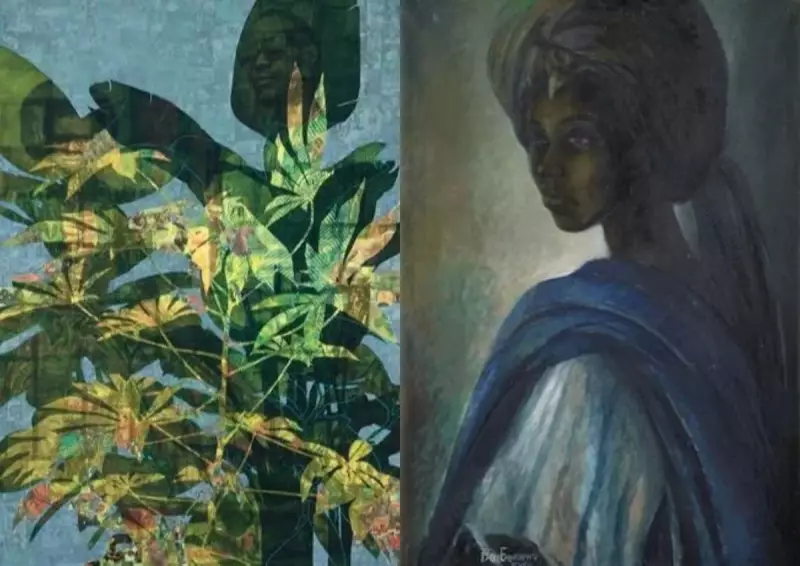
Consider Njideka Akunyili Crosby's Bush Babes, mentioned in our source material. At first glance, it's visually striking. But when you pause and observe carefully, the leaves transform from mere background elements into meaningful symbols.
In artistic tradition, leaves and trees often represent growth and renewal, while blue suggests calm and hope. Through her color choices and the faces emerging from the composition, Akunyili Crosby appears to be exploring themes of renewal and continuity for her people. Or perhaps it's simply a beautiful arrangement of color and texture. Both interpretations are valid.
Similarly, works like Ben Enwonwu's Princess Adetutu reflect their cultural context. The colors, subjects, and techniques often respond to conversations happening when the art was created. You might discover themes of resistance, hope, or cultural identity woven into the artwork.
The Beauty of Artistic Intention
Every element in an artwork exists deliberately - nothing is random. When you feel stuck, start by observing basic details. Notice the size: a large canvas might aim to overwhelm, while smaller pieces invite closer inspection. Observe shapes and lines that guide your eyes. Follow the colors - which dominate, which stand out, and why?
Look for movement and flow in how forms interact. These details often communicate more than any wall label could explain.
Stop Trying to "Get It"
The real secret to art appreciation is abandoning the need to understand it intellectually. You don't decode art - you experience it. Allow yourself to be confused, bored, surprised, or moved. Let the artwork do what it's meant to do.
Next time you find yourself in a gallery, resist the urge to stare at your phone while waiting to leave. Look around. The piece that doesn't speak to everyone else might just speak directly to you - and that's more than enough.