Kwara's New Prancing Horse Sculpture Ignites Public Debate on Art and Priorities
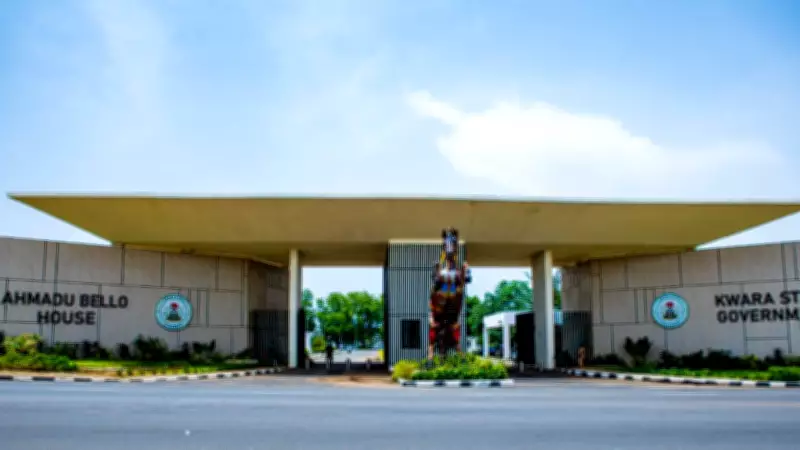
In Ilorin, Kwara State, a recently installed sculpture of a prancing horse at the entrance of Ahmadu Bello House has become a focal point for both admiration and controversy. The artwork, which stands tall at the Government House gate, has drawn attention from residents, including families and children who have been seen joyfully interacting with it, taking photos and marveling at its beauty.
Emotional and Aesthetic Value of Public Art
Humans are inherently emotional beings, and research shows that exciting sights, such as public sculptures, play a crucial role in emotional balance and well-being. The prancing horse, with its height and novelty, adds to Kwara's landmarks, offering an engaging view for passersby and art enthusiasts. Beyond aesthetics, the sculpture incorporates security features, blending art with functionality to enhance the area's safety.
Opposition Criticisms and Government Response
However, the installation has faced backlash from opposition figures, who argue that the funds spent—reportedly N22.8 million or N250 million—should have been redirected to poverty alleviation efforts, such as feeding the poor. In response, government officials, including Chief Press Secretary Rafiu Ajakaye, PhD., defend the expenditure, emphasizing that fighting poverty and investing in public art are not mutually exclusive.
The administration points to ongoing anti-poverty programs, like the multilayered KWASSIP and multimillion-naira cash transfers to struggling families, as evidence of its commitment to social welfare. Additionally, the government spends over N500 million regularly on security operations, highlighting a balanced approach to development.
Broader Implications for Kwara's Development
This debate underscores a larger conversation about Kwara's evolution. Supporters argue that the state should not remain stagnant, like "aguntan" (sheep), but must evolve through infrastructural transformations. Over the past six years, Kwara has seen significant improvements in infrastructure, health coverage, and security, with the prancing horse symbolizing progress and innovation.
Ultimately, the sculpture serves as a reminder that public art can enrich communities emotionally and culturally, while government spending on multiple fronts—from poverty reduction to security—can coexist to foster overall human well-being in Kwara State.