Nigeria and UK Forge Major Creative Economy Partnership Ahead of 2028 Season of Culture
In a significant move to strengthen bilateral ties, Nigeria and the United Kingdom have officially launched a new cultural and creative economy partnership. This collaboration is highlighted by the announcement of the UK–Nigeria Season of Culture 2028, a flagship programme set to showcase talents across music, film, fashion, visual arts, and education. The initiative represents a major step forward in fostering economic growth and cultural exchange between the two nations.
Driving Investment and Global Opportunities
The partnership is designed to create new opportunities for creatives in both countries by driving investment, supporting co-production initiatives, and opening up global distribution channels for creative content. At its core, the Season of Culture 2028 aims to build sustainable institutional partnerships and expand access to international markets. In preparation for this event, both countries will engage in two years of joint activities, including cultural exchanges, coordinated events, and commercial engagements to deepen collaboration.
High-Level Announcement During Presidential Visit
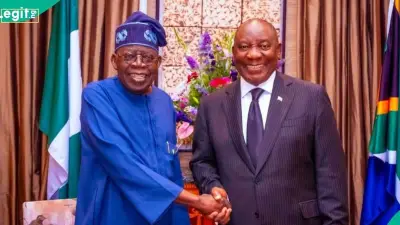
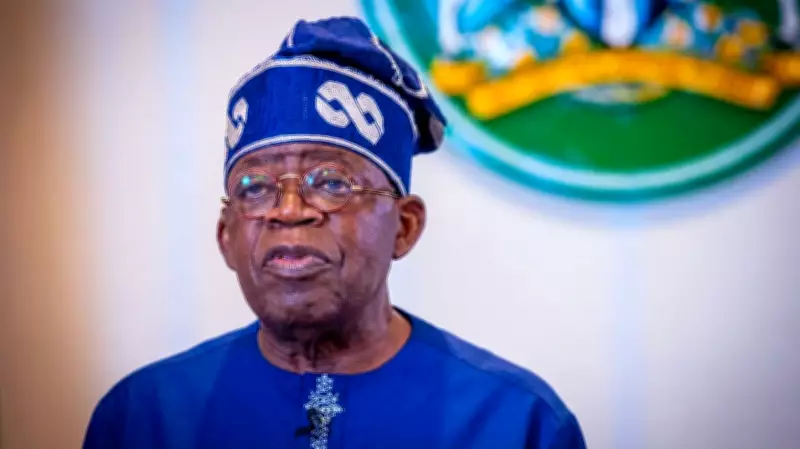
The initiative was unveiled during President Bola Ahmed Tinubu's state visit to the United Kingdom, underscoring a shared commitment to positioning the creative industry as a key driver of economic growth, job creation, and global cultural exchange. Nigeria's Minister of Arts, Culture, Tourism and the Creative Economy, Hannatu Musa Musawa, emphasized that the country's creative sector is well-positioned to connect talent with markets while blending culture with commerce. She noted that the National Council for Arts and Culture (NCAC) will play a critical role in translating the partnership into tangible opportunities for creatives and entrepreneurs, working alongside the British Council and private sector stakeholders.
Uniting People Through Culture
United Kingdom's Minister for Arts, Ian Murray, highlighted the power of culture to unite people and unlock new opportunities. He stated, "With the UK hosting the largest Nigerian diaspora in Europe, we are uniquely positioned to maximise these opportunities. Many of our most talented individuals share deep cultural ties between Nigeria and Britain, and I look forward to strengthening these connections through the 2028 Season of Culture." This sentiment reflects the broader goal of leveraging cultural heritage to foster mutual benefits.
Building Long-Term Partnerships
The Country Director of the British Council in Nigeria, Donna McGowan, described cultural seasons as effective platforms for driving growth in the creative industries and building long-term partnerships. She said, "The British Council is honoured to work with Nigeria's Ministry of Arts, Culture, Tourism and Creative Economy on this landmark initiative. The Season of Culture will deepen creative and educational ties, support talent development, and create new pathways for collaboration and innovation." This underscores the strategic importance of the partnership in nurturing talent and fostering innovation.
Unlocking Investment and Job Creation
Meanwhile, the UK Trade Envoy to Nigeria and Co-Chair of the UK–Nigeria Creative Economy Working Group, Florence Eshalomi, emphasized that the partnership would unlock investment opportunities and boost job creation. She remarked, "As a British-Nigerian, I have seen firsthand the richness of our shared cultures. This partnership will deliver significant benefits by strengthening our creative sectors and expanding opportunities for talent." This highlights the economic potential of the collaboration, aiming to create sustainable benefits for both nations.
Overall, the Nigeria-UK creative economy partnership marks a pivotal moment in bilateral relations, setting the stage for enhanced cultural and economic cooperation through the 2028 Season of Culture. By focusing on talent development, market access, and investment, this initiative promises to deliver lasting impacts for creatives and entrepreneurs across both countries.