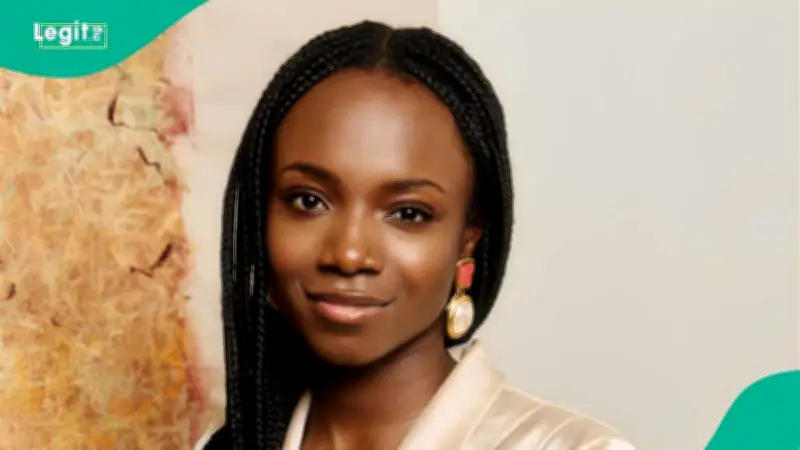
The US Mission Nigeria has highlighted the success of Nigerian-American engineer and Harvard graduate Yinka Ogunbiyi after she raised $7 million to launch HaloBraid, the world's first braid-assist robot. The mission shared the achievement on Friday, July 24, through its official X handle, @USinNigeria. In its post, the mission said Ogunbiyi built the robot to make work easier for professional braiders and salon owners.
Funding and Waiting List
According to the mission, the startup has raised $7 million and already has more than 7,000 salons on its waiting list. The funding round was led by Seven Seven Six, the venture capital firm founded by Reddit co-founder Alexis Ohanian. AlleyCorp and Bling Capital also participated in the investment.
Development of HaloBraid
Ogunbiyi, according to BusinessDay, is a biomechanical engineer who holds a joint MS/MBA from Harvard Engineering School and Harvard Business School. Before founding HaloBraid, she worked on smart kitchen appliances and Internet of Things (IoT) devices. The idea for the robot came during the COVID-19 pandemic after Ogunbiyi spent four days installing her own knotless braids at home. She later partnered with co-founder David Afolabi to develop the technology for the Black hair and protective styling market.
How HaloBraid Works Alongside Professional Stylists
HaloBraid was designed to assist professional braiders rather than replace them. The robot works beside a stylist and takes over the repetitive braiding movements that consume a large part of a braiding appointment. Stylists still prepare the hair, create the foundation braid, and complete the final styling after the robot finishes its part. Ogunbiyi said the technology is meant to improve the salon experience instead of taking away the role of the stylist. "Technology simply assists with the repetitive movements that consume the most time and place the greatest strain on the body," the founder was quoted as saying. According to the company, the system can reduce the time needed for a standard knotless braid appointment by about half.
Addressing Health Problems in the Braiding Industry
HaloBraid was also created to help tackle health problems many professional braiders face after years of repetitive work. Many hairstylists develop conditions such as carpal tunnel syndrome, chronic arthritis, and spinal strain because of the physical demands of braiding hair. By handling the repetitive section of the braiding process, the robot is expected to reduce the strain on stylists and help them remain in the profession for longer. A survey cited in the report found that 95% of Black women said they would wear protective hairstyles more often if salon appointments did not take an entire day.
Broader Impact and Recognition
The U.S. Mission said the innovation is an example of "American innovation, global impact." With $7 million in fresh funding and more than 7,000 professional salons already waiting to use the technology, HaloBraid is set to introduce robotics into the Black haircare industry while keeping professional stylists at the centre of the service. The mission's post read: "Nigerian-American engineer & Harvard grad Yinka Ogunbiyi built HaloBraid, the world's first braid-assist robot, easing strain on stylists & saving salons time."