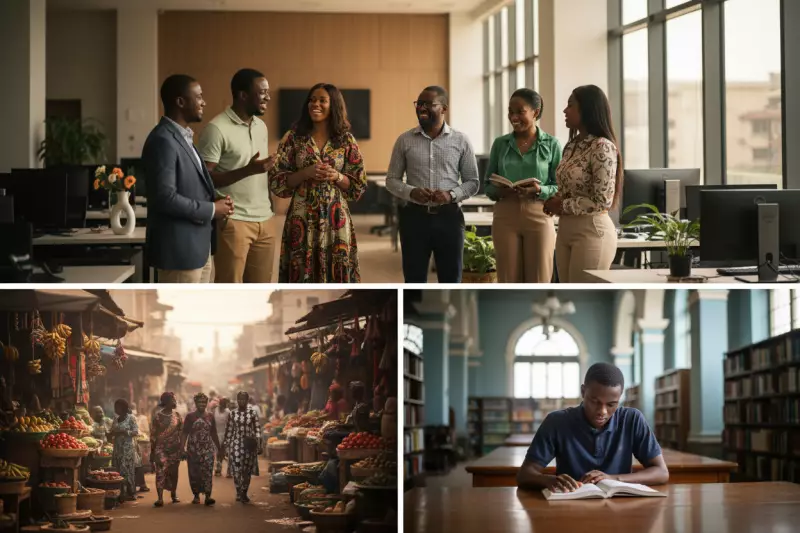
If you've ever noticed someone's expression change when you mention being Nigerian, or felt that subtle hesitation when speaking with your Nigerian accent abroad, you've experienced the real-world impact of stereotypes. These misconceptions range from economically damaging to laughably absurd, creating barriers for millions of Nigerians worldwide.
The High Economic Price of Nigerian Stereotypes
The most persistent and damaging stereotype facing Nigerians is the "419 scammer" label. The term "Nigerian prince scam" has become so embedded in global consciousness that it appears in Western comedy shows, films, and unfortunately, affects legitimate business relationships.
According to recent research cited in Business Day, Nigeria suffers an estimated $2.1 billion in annual economic losses due to stereotype-based discrimination. This represents real opportunities and futures being denied based on the actions of a tiny minority being extrapolated to an entire nation of over 230 million people.
One Nigerian software developer in London shared how he lost a £50,000 contract simply because the British client "didn't want to risk working with Nigerians" - despite his impeccable credentials and impressive portfolio. The National Institute for Cultural Orientation works tirelessly to project Nigeria's true cultural values to counter such negative perceptions.
Common Stereotypes Versus Statistical Reality
Beyond the fraud stereotype, several other misconceptions persist about Nigerians and their country:
The Aggression Stereotype: This confuses cultural expressiveness with aggression. In Nigerian culture, animated conversation and gesture-heavy communication signify engagement, not hostility.
The Poverty Narrative: International media often shows images of poverty while ignoring Nigeria's luxury apartments, corporate towers, and burgeoning middle class. Nigeria has the largest economy in Africa and a growing consumer market that international brands actively pursue.
The "Dangerous Country" Label: While Nigeria faces security challenges like many nations, painting the entire country as a war zone ignores that millions live in relative peace, running businesses and raising families.
The Education Misconception: This is particularly ironic given that Nigerian immigrants in the United States have higher educational attainment rates than the general American population, with over 61% holding bachelor's degrees or higher.
Nigeria's Actual Global Contributions
While stereotypes persist, Nigeria's genuine global impact tells a different story:
Music and Entertainment: Afrobeats has conquered global charts, with artists like Burna Boy, Wizkid, Davido, and Tems becoming international ambassadors. Burna Boy's Grammy win and Wizkid selling out Madison Square Garden demonstrate this cultural influence.
Literature: Chinua Achebe's "Things Fall Apart" remains one of the world's most widely read books, while Chimamanda Ngozi Adichie's TED Talk "The Danger of a Single Story" has been viewed millions of times. Wole Soyinka's Nobel Prize in Literature further cement Nigeria's literary significance.
Film Industry: Nollywood produces over 2,500 films annually, making it the world's second-largest film industry by volume. These films offer authentic African storytelling that resonates across continents.
Entrepreneurship: From Aliko Dangote, Africa's richest person, to countless small business owners, Nigerians demonstrate remarkable business acumen. The Igbo apprenticeship system has created numerous successful entrepreneurs without formal business education.
Technology: Contrary to primitive stereotypes, Nigeria has one of Africa's most developed tech ecosystems, with 82% mobile phone penetration and 190 million active lines. Nigerian developers have created financial technology platforms serving millions across the continent.
Changing the Narrative: Steps Forward
Combating these damaging stereotypes requires concerted effort:
Excel in Your Field: Being undeniably good at what you do cracks stereotypes. Nigerian professionals in global companies, award-winning artists, and successful entrepreneurs all challenge misconceptions through their achievements.
Share Authentic Stories: Don't let others define the Nigerian narrative. Social media and personal interactions provide platforms to showcase diverse Nigerian experiences.
Educate with Facts: When confronted with stereotypes, respond with data about Nigerian educational achievements, economic strength, and cultural contributions.
Support Nigerian Creativity: Watching Nollywood films, streaming Afrobeats, and buying Nigerian fashion all contribute to changing global perceptions through cultural influence.
The Federal Ministry of Information and National Orientation recognizes how Nigerian culture serves as bridges of understanding across nations. As visitors to Nigeria consistently report, the country is energetic, vibrant, colorful, and hospitable - far removed from the negative stereotypes that persist in international media.
The narrative is indeed changing. Nigerian music dominates global charts, fashion appears on international runways, literature wins prestigious awards, and tech startups attract international investment. Rather than waiting for the world to change its mind, Nigerians are busy changing the world through their contributions across every field imaginable.