The Church is divinely positioned to represent Christ and effect transformation in every generation. In Matthew 5:13-16, Jesus employs the metaphors of salt and light, rooted in Second Temple Judaism. Salt was essential in covenantal offerings (Leviticus 2:13), symbolizing permanence and purity, and it preserved food from decay, illustrating the Church's role in restraining moral corruption. Light, a central biblical motif for divine revelation, appears in Isaiah 60:1-3 and John 1:4-5, calling the Church to shine truth into darkness. The image of a city on a hill recalls Zion theology, where Jerusalem was a beacon of God's truth to nations (Micah 4:1-2). Thus, the Church's mission is not ornamental but ontological: to embody holiness that preserves society and radiate truth that dispels darkness.
Historical Witness of the Church in Decaying Societies
Patristic Era
In the 5th century, Augustine's City of God responded to Rome's collapse by distinguishing the transient earthly city from the eternal City of God. The Church was called to embody the eternal city amid political disintegration. John Chrysostom emphasized the Church's prophetic rebuke of imperial excess, insisting that bishops act as watchmen (cf. Ezekiel 33:7).
Medieval Christendom
During the Dark Ages, the Church preserved literacy, moral order, and social cohesion. Monastic communities became centers of ethical formation and stability. Reform movements like the Cluniac and Cistercian arose when corruption threatened ecclesial witness, showing that renewal is intrinsic to the Church's identity.
Reformation and Post-Reformation
Reformers such as Luther and Calvin denounced ecclesial materialism and called the Church back to holiness. Calvin's Geneva became a model of moral discipline, intertwining civic and ecclesial life. The Catholic Counter-Reformation (Council of Trent, 1545-63) reaffirmed the Church's role as guardian of truth, emphasizing catechesis, liturgical purity, and pastoral accountability.
Modern Africa
- Kenya (2017): Anglican leaders spearheaded anti-corruption campaigns.
- Malawi: Bishops denounced electoral malpractice, framing corruption as a spiritual disease.
- Democratic Republic of Congo (DRC): Catholic leaders mobilized against systemic injustice.
- Nigeria: The Catholic Bishops' Conference of Nigeria (CBCN) communiqués and Caritas Nigeria initiatives exemplify institutional advocacy.
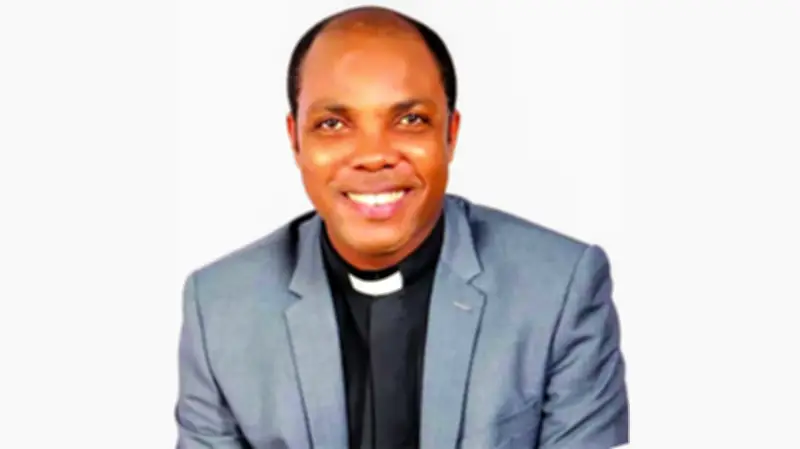
This historical trajectory demonstrates that the Church's prophetic role is perennial: to stand as conscience, rebuke, and guide in times of decay. The Ven. Stephen Wolemonwu, Rector, The Ibru Ecumenical Centre, Agbarha-Otor.