Total Lunar Eclipse 2026: A Celestial Spectacle for Nigerian Sky Watchers
A remarkable astronomical event is scheduled for Tuesday, March 3, 2026, when a total lunar eclipse will grace the night sky. This celestial phenomenon will be visible from numerous locations worldwide, including various regions across Nigeria. For astronomy enthusiasts, casual stargazers, and anyone fascinated by the cosmos, this eclipse presents a perfect opportunity to witness one of nature's most captivating displays.
Understanding the Total Lunar Eclipse Phenomenon
A total lunar eclipse occurs when the Earth positions itself directly between the Sun and the Moon, casting its shadow upon the lunar surface. During this alignment, the Moon enters the Earth's darkest shadow region known as the umbra. Rather than disappearing entirely, the Moon typically adopts a striking reddish or coppery hue, often referred to as a Blood Moon. This coloration results from sunlight refracting through Earth's atmosphere, illuminating the Moon even during the total eclipse phase.
Unlike solar eclipses that require protective eyewear, lunar eclipses are completely safe to observe with the naked eye, making them accessible viewing experiences for people of all ages.
Eclipse Timings and Visibility Across Nigeria
The total lunar eclipse of March 3, 2026, will feature a totality phase lasting approximately 58 minutes and 19 seconds, with the complete eclipse sequence spanning over five hours. However, visibility conditions will vary significantly across different Nigerian regions.
Unfortunately, the peak totality phase will occur when the Moon remains below the horizon for Nigerian observers, meaning the complete Blood Moon spectacle will not be directly visible. Nevertheless, sky watchers across the country can still observe portions of the penumbral and partial eclipse phases as the Moon rises or sets.
To maximize viewing opportunities, Nigerian residents should consult astronomy applications or time-and-date websites for precise local moonrise timings. Major urban centers including Lagos, Abuja, Port Harcourt, and Kano will offer varying visibility windows depending on their geographical positions.
Optimal Viewing Locations and Strategies
The lunar eclipse will be visible from any Nigerian location with unobstructed sky views. Since lunar eclipses are non-directional events, observers simply need clear sightlines to the Moon rather than specific directional orientations.
Recommended viewing approaches include:
- Urban Areas: Public spaces in cities like Lagos, Abuja, and Port Harcourt provide convenient viewing locations, though observers should minimize light pollution from buildings and artificial sources.
- Rural and Open Spaces: Countryside locations, parks, fields, and elevated areas offer darker skies and more dramatic viewing conditions away from urban light interference.
- Coastal Regions: Beachfront areas along the Gulf of Guinea, including locations near Badagry and Lekki in Lagos State, present beautiful backdrops with the Moon rising over water.
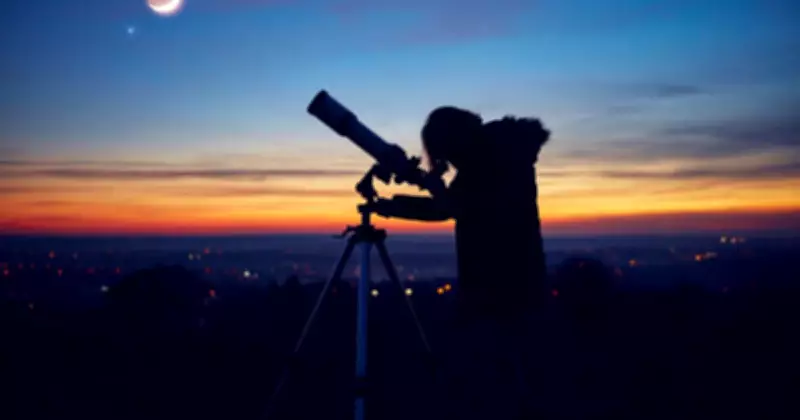
Importantly, no specialized equipment is necessary for basic eclipse observation, though binoculars or small telescopes can enhance detail visibility and color appreciation.
Photography Techniques and Cultural Significance
For those interested in capturing the eclipse photographically, several techniques can yield impressive results:
- Utilize cameras with zoom lenses (200mm or greater for optimal results)
- Stabilize equipment using tripods to prevent image blurring
- Experiment with longer exposure settings as lunar brightness decreases during eclipse progression
Beyond visual spectacle, lunar eclipses hold substantial cultural and scientific importance. Historically, various civilizations have utilized eclipse observations for calendrical systems, navigation, and mythological storytelling. Scientifically, these events enable researchers to study atmospheric properties through the characteristic red coloration produced by sunlight refraction.
For contemporary observers, the March 2026 lunar eclipse represents both a beautiful natural phenomenon and a reminder of our solar system's dynamic orbital mechanics. With proper planning and favorable weather conditions, millions of Nigerians can participate in this shared celestial experience, connecting with astronomical traditions that span millennia.