Viral Japanese Monkey Punch Ignites Global Debate Over Zoo Ethics and Animal Captivity
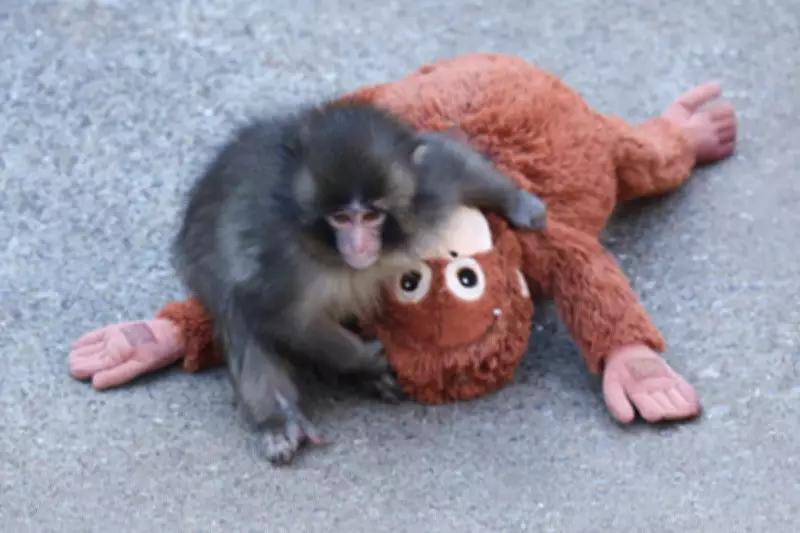
The story of Punch, a baby macaque at Ichikawa City Zoo located outside Tokyo, Japan, has captured global attention and reignited intense discussions regarding the ethics of keeping animals in captivity. Punch, who was abandoned by his mother shortly after his birth in July, became an internet sensation after photographs circulated showing him being bullied by other monkeys and clinging tightly to a stuffed orangutan toy for comfort and solace.
Animal Rights Group PETA Condemns Zoo Practices as Cruel and Inhumane
The viral images quickly spread across social media platforms under the hashtag #HangInTherePunch, drawing thousands of curious visitors to the zoo to catch a glimpse of the young primate. Animal rights organization People for the Ethical Treatment of Animals (PETA) has strongly criticized the monkey's situation, stating that it highlights what they describe as the inherent cruelty of zoos worldwide.
"Zoos are not sanctuaries; they are places where animals are confined, deprived of their natural autonomy, and denied the complex environments and rich social lives they would experience in the wild," asserted Jason Baker, PETA's Asia director. "What some people are calling 'cute' is actually a heartbreaking glimpse into the trauma of a young, highly social primate coping with profound isolation and loss." Baker urgently called for Punch to be transferred to "a reputable sanctuary, where he could live in a more natural and appropriate environment."
Zoo Officials Report Progress in Punch's Integration and Care Efforts
After being rejected by his mother, Punch was raised in an artificial environment at the zoo and only began specialized training to rejoin his troop last month. The zoo later provided an update, noting that he was "meticulously groomed by two older monkeys and is steadily fitting into the group" as part of their rehabilitation efforts.
The overwhelming viral attention has led to a significant surge in visitor numbers at Ichikawa City Zoo. Over a recent long holiday weekend in Japan, more than 5,000 people visited the zoo in a single day, with some enthusiasts queuing for up to an hour just to see the young macaque. In response to the increased crowds, the zoo implemented a restricted zone around part of the enclosure to help reduce stress on the animals and ensure their wellbeing.
IKEA Toy Sales Soar as Public Interest and Donations Increase
The zoo also reported that many members of the public have inquired about making donations to support Punch and other animals. Meanwhile, IKEA, the manufacturer of the orangutan plush toy that Punch clings to, experienced "unprecedented" interest in the product. Ingka Group, which controls most IKEA stores globally, confirmed that sales had risen dramatically, and the toy was temporarily out of stock in several key markets, including Japan and the United States.
While numerous online commentators have described Punch's attachment to the toy as heartwarming and endearing, critics argue that it starkly underscores the psychological strain and emotional distress that animals may experience in captivity. This case continues to fuel broader conversations about animal welfare, ethical zoo management, and the future of wildlife conservation in human care settings.