Introduction: The Vibrant World of Nigerian Dress Culture
Nigerians wear a fascinating blend of traditional ethnic attire, contemporary Western clothing, and modern Nigerian designer pieces. The choice shifts depending on occasion, region, religion, age, and personal identity. There is no single answer, and that makes the subject compelling. From a young woman in jeans and a sweatshirt at a Lagos bus stop to an older woman wrapped in six metres of gleaming George fabric with an architectural gele, both are entirely Nigerian and entirely correct. This captures the breadth, confidence, and pride of Nigerian dressing.
Everyday Clothing: What Nigerians Wear Daily
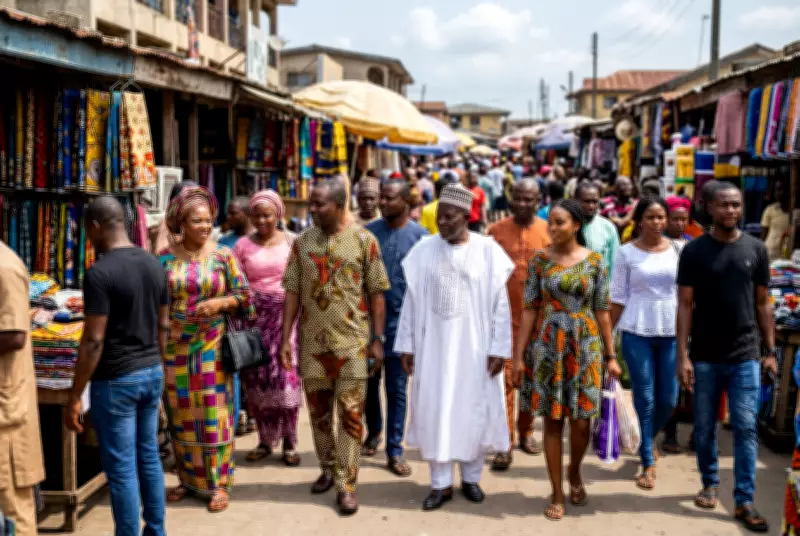
Nigerian clothing in everyday settings falls into two broad categories: Western-influenced casual and professional wear, and traditional or traditional-inspired attire. In major cities like Lagos, Abuja, and Port Harcourt, young professionals wear suits, trousers, shirts, dresses, and trainers from Monday to Thursday. Office dress codes in banking, law, and government are formal. Women wear tailored dresses, blouses with trousers, or skirt suits. Men wear button-down shirts, blazers, and well-pressed trousers. Nigerian professional culture values looking put-together.
Friday is traditional dress day in many workplaces, schools, and public institutions. Ankara prints appear at every desk. Aso-oke-trimmed blouses replace blazers. Men arrive in Senator suits, a modernised combination of a traditional embroidered top worn over matching trousers. This tradition reflects how deeply clothing connects to cultural identity. Outside urban centres, traditional clothing is more prevalent. In Kano, men wear flowing kaftans and embroidered babban riga as routine daywear. In Igbo communities, women wear wrappers and blouses for daily activities. In Yoruba towns, the sight of a woman tying her gele for morning church service is ordinary.
Religion also shapes dress norms. Muslim women in the North often wear hijab alongside traditional Northern fabrics. Christian women in the South may wear modest dresses with head coverings for church. Religious dress is woven into the everyday wardrobe.
How Nigerian Dress Codes Shift Across Occasions
Nigerian dressing exists on a spectrum with three zones: everyday casual, smart professional or Friday traditional, and full ceremonial. Understanding where an occasion falls is useful for navigating Nigerian dress culture. The Guardian Nigeria's fashion coverage shows how sophisticated local designers serve these zones, blending cultural expectations with modern aesthetics. Brands like Lisa Folawiyo have elevated what Nigerians wear at every level.
The Four Types of Nigerian Clothes
Four functional categories cover the full range of what Nigerians wear, regardless of ethnic origin:
- Traditional ethnic attire: Garments tied to specific ethnic groups, worn at ceremonies and cultural festivals. Examples include agbada, iro and buba, George wrapper, babban riga, and isiagu.
- Contemporary Western clothing: Dominates urban weekday wardrobes. Jeans, T-shirts, dresses, suits, and trainers are common among younger Nigerians aged sixteen to thirty-five.
- Modern Nigerian designer wear: Garments created by Nigerian designers blending traditional fabrics with contemporary silhouettes. An Ankara jumpsuit with a structured bodice by a Lagos designer for a business lunch exemplifies this category.
- Religious or occasion-specific formal wear: Includes Islamic jalabiya and hijab styles, elaborately laced church outfits, and matching aso-ebi fabric sets worn to weddings, funerals, and naming ceremonies. The aso-ebi tradition, where groups coordinate in identical fabric, is distinctive.
These categories are not mutually exclusive. A hand-woven aso-oke agbada worn to a naming ceremony is simultaneously traditional ethnic attire, religious occasion wear, and ceremonial formal wear.
Practical Guide to Building a Nigerian Wardrobe
- Start with Ankara: purchase two or three metres of good-quality Ankara print and have a local tailor make an outfit. This gives an entry-level traditional option for Fridays and casual celebrations.
- Find a reliable tailor: a skilled Nigerian tailor is valuable. Budget between ₦10,000 and ₦50,000 for tailoring fees.
- Invest in one quality lace outfit: Nigerian lace is the foundation of formal celebration dressing. Good French lace fabric runs from ₦30,000 to ₦250,000 per yard.
- Add a gele or cap: no traditional outfit is complete without headwear. Women should own at least one gele; men should have a traditional cap matching their ethnic style.
- Keep smart Western wear for professional settings: a well-tailored suit or dress works for office environments from Monday to Thursday.
- Buy aso-ebi when invited: participating costs money but buys genuine warmth from the celebrating family.
- Always dress a level above your comfort zone for Nigerian celebrations: Nigerians appreciate effort in dressing.
The Five Traditional Dresses Worn Across Nigeria
Nigeria's 371 ethnic groups each bring their own traditions, but five garments have national and international recognition:
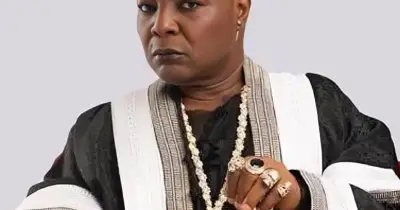
- Agbada (Babban Riga): Nigeria's most internationally recognised traditional garment for men. A flowing three-piece ensemble with wide-sleeved outer robe, long-sleeved inner shirt (buba), and fitted trousers (sokoto), completed with a matching cap. The Yoruba call it agbada; the Hausa call it babban riga. It communicates dignity, wealth, and cultural pride. A full ceremonial agbada can weigh 5 to 8 kilograms and cost between ₦500,000 and ₦3,000,000.
- Iro and Buba: The quintessential Yoruba women's traditional outfit, adopted widely. The iro is a wrapper tied around the waist; the buba is a loose blouse. Add a gele headwrap and ipele for a complete look. The Nigerian High Commission in London confirms this combination is adopted across all regions with minor stylistic variations.
- Isiagu: The ceremonial shirt of Igbo men, patterned with embroidered lion heads on rich fabric (red, maroon, or navy). Worn with matching trousers, a traditional striped hat, and sometimes a red cap for title holders. Deeply associated with Igbo cultural identity.
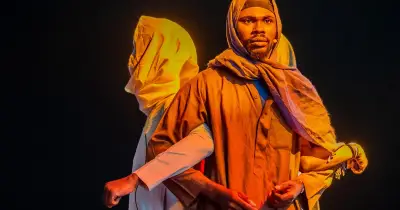
- Kaftan: Northern Nigeria's most versatile traditional garment, worn by both men and women. Men's kaftans are long, loose robes; women's are more fitted with elaborate embellishment. Now worn across Nigeria for everyday and ceremonial occasions.
- Ankara-made traditional garments: Ankara wax-print fabric has become a defining element of Nigerian national dress identity. From blouse-and-skirt sets to jumpsuits, boubous, and agbadas, this fabric is what most of the world pictures when imagining Nigerian clothing.
Traditional Nigerian Garments at a Glance
The table below summarises key garments, primary ethnic origin, and typical price ranges in Naira as of 2025. Prices reflect tailor-made costs for good-quality fabric and are approximate.
- Agbada (Babban Riga): Yoruba/Hausa-Fulani; Aso-oke, damask, lace; Basic: ₦50,000; Ceremonial: ₦500,000 to ₦3,000,000
- Iro and Buba (with Gele): Yoruba; Aso-oke, George, lace; Basic: ₦30,000; Ceremonial: ₦200,000 to ₦1,500,000
- Isiagu with Red Cap: Igbo; Isiagu fabric, velvet; Basic: ₦40,000; Ceremonial: ₦150,000 to ₦600,000
- Kaftan (Men's/Women's): Hausa-Fulani/Northern; Damask, embroidered cotton; Basic: ₦25,000; Ceremonial: ₦100,000 to ₦500,000
- Ankara Outfit: Pan-Nigerian; Ankara wax print; Basic: ₦15,000; Ceremonial: ₦50,000 to ₦300,000
- Ange/Tiv Cloth: Tiv (North-Central); Hand-woven cotton; Basic: ₦20,000; Ceremonial: ₦80,000 to ₦200,000
- George Wrapper Set: Igbo/Niger Delta; George brocade fabric; Basic: ₦60,000; Ceremonial: ₦300,000 to ₦2,000,000
Costs rise sharply with embellishment and fabric quality. Basic Ankara outfits are accessible; ceremonial outfits are where Nigerian fashion becomes an art form.
Best States for Fashion and Cultural Dressing
For sheer variety of traditional dress and access to quality tailors, fabrics, and fashion markets, Lagos State stands alone. Lagos Island markets deliver every type of Nigerian clothing in a single afternoon. For the purest expression of a single ethnic clothing tradition, visit that tradition's home state: Kano State for Hausa-Fulani embroidered gowns, Anambra or Enugu State for Igbo traditional experience, Osun or Ogun State for Yoruba aso-oke, Benue State for Tiv ange cloth. Abuja, as the Federal Capital Territory, offers a mid-ground with civil servants from every state showcasing all traditional styles simultaneously. For quality of life combined with fashion, Lagos and Abuja lead.
Final Thoughts: Dressing the Nigerian Way
Nigerian clothing is living history. Nigerians wear a combination of traditional ethnic garments, contemporary Western clothing, modern Nigerian designer pieces, and religious attire. The most internationally associated garments are agbada, iro and buba, Ankara prints, George wrapper, and kaftan. Related elements include gele headwrap, aso-oke fabric, adire, and coral bead accessories. Pride ties all together. Nigerian clothing is never merely functional; it is always a statement. If you are Nigerian, bring traditional pieces back into your wardrobe. If you are a visitor, approach traditional dress with curiosity. Wear Nigerian fabric with respect and intention. Invest in at least one quality traditional outfit. Use Ankara as your entry point. For ceremonial occasions, dress a tier above your comfort zone.
FAQs About What Nigerians Wear
What do Nigerians wear on a normal day?
Most urban Nigerians wear Western-style clothing including jeans, shirts, dresses, and office attire. In rural areas and Northern states, traditional garments such as kaftans, wrappers, and babban riga are more common.
What is the national dress of Nigeria?
Nigeria does not have a single national dress due to ethnic diversity. However, the agbada for men and the iro and buba with gele for women are most frequently cited as representative.
What fabric is most popular in Nigerian clothing?
Ankara wax-print fabric is the most widely worn traditional fabric. Aso-oke, George, and lace are premium fabrics for ceremonial occasions.
Do Nigerians still wear traditional clothing regularly?
Yes. Traditional clothing remains central, especially for ceremonies, Fridays, cultural festivals, and religious occasions. The tradition is growing stronger among younger Nigerians.
How much does a traditional Nigerian outfit cost?
A basic Ankara outfit costs between ₦15,000 and ₦50,000. A ceremonial agbada or George wrapper set can cost from ₦200,000 to several million naira.
What is aso-ebi in Nigerian dressing?
Aso-ebi is the practice of purchasing and wearing coordinated fabric selected by the host family for celebrations. It signals solidarity and belonging.
What do Nigerian men wear to formal occasions?
Men wear either a full agbada or a Senator suit with a matching cap and leather slippers or quality shoes.
What do Nigerian women wear to weddings?
Women wear elaborately made traditional outfits in lace, George fabric, or aso-oke, styled with a gele headwrap and coordinated accessories.
What is Ankara fabric and why is it popular?
Ankara is a vibrantly coloured wax-print fabric popular for its versatility, colour, availability at every price point, and adaptability into dozens of garment styles.
What traditional clothing do Igbo people wear?
Igbo men wear isiagu shirt with trousers and a traditional hat or red cap. Igbo women wear George fabric wrapper sets with coral bead accessories.
What do Hausa-Fulani Nigerians typically wear?
Men wear babban riga with a cap and sometimes a turban. Women wear Ankara blouse, wrapper, and hijab in many communities. Embroidery is among the finest textile craft in Africa.
What is the difference between agbada and kaftan?
The agbada is a three-piece robe with wide sleeves, associated with Yoruba and West African formal dressing. The kaftan is a single-piece long robe associated with Northern Nigerian and Hausa-Fulani traditions.