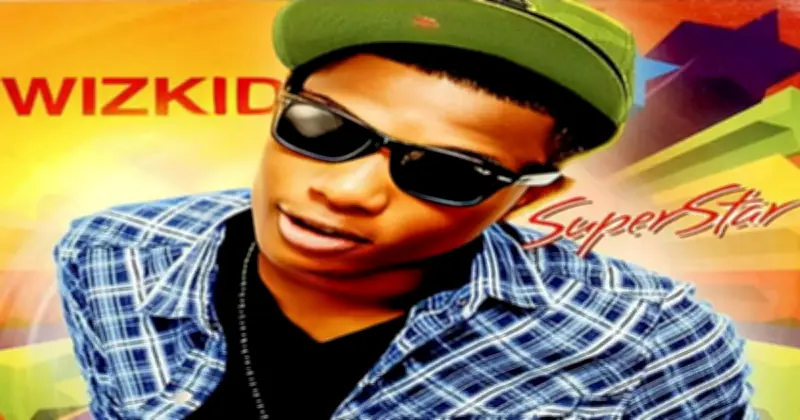
When Wizkid released his debut album on June 12, 2011, it was more than a young star staking a claim for mainstream fame. June 12 is a monumental date in Nigeria's history, marking the day former Military Head of State General Ibrahim Babangida annulled what is regarded as the nation's freest election, robbing Chief Moshood Kashiomawo Abiola of his presidential mandate and Nigerians of a popular leader. On this significant day, a fast-rising star from Ogun State—the same state as MKO Abiola—chose to release his debut album. That artist was the fresh-faced 20-year-old Ayodeji Balogun, known as Wizkid, and he called his album 'Superstar'.
Before the Album
Before releasing his debut album, Wizkid was already making waves within the industry. Some of the era's biggest superstars, including MI Abaga, had recognized his talent and gave him a spot on his 2009 debut album 'Talk About It', which he grabbed with both hands with a glossy hook on 'Fast Money, Fast Cars'—a promise of what was to come. Wizkid was signed by Banky W, Nigeria's R&B King and label boss of Empire Mate Entertainment. Under Banky W's mentorship and lessons gathered from frequenting studios around the Ojuelegba axis of Lagos State, where he grew up, Wizkid's warm melodies, hearty writing, and new school swagger found structure and mainstream purpose.
The Rise of a Star
His 2010 single 'Holla At Your Boy' became a nationwide smash that won him the hearts of a young generation of listeners. Cameos from era-defining rapper Ice Prince and other stars like Mo'hit Records' D'Prince endorsed him as the crown prince of Nigerian pop music. His new school sound and swag earned him a fierce followership of a generation of young listeners who would grow with him as he became perhaps the most important and greatest artist in the history of Nigerian pop music since 2000.
The Album That Defined a Generation
When Wizkid released his debut album on June 12, 2011, it was more than a young star staking a claim for mainstream fame. The album's title, 'Superstar', was both a statement of ambition and a declaration of a status in waiting. Carrying the weight of endorsement from the entertainment industry and huge expectations from fans who considered him the face of a new generation, Wizkid offset this with a fantastic debut album that captures the dynamism of his talent and his readiness to lead Nigerian pop music into its next era. 'Superstar' ushered in an artist skilled in making music that moved the people. Whether finding inspiration in Fuji music with the party starter 'Pakurumo', turning up American pop and rap influences to create club bangers 'Don't Dull' and 'Tease Me', crafting R&B records with teenage giddiness on 'Gidi Girl', or singing his way into hearts with 'Love My Baby', his originality, urgency of talent, and freshness of youth lit up the project.
Production and Impact
To make such an important album, Wizkid was paired with rising producer Samklef, who produced almost the entirety of the project and helped craft a sound that brought new complexity to Nigerian pop music. With masterful A&R and executive production from Banky W, the album delivered on all fronts with cohesion, hits, and impact that would take Wizkid from rising star to superstardom. Fifteen years later, the songs from this album are still in rotation on radio, clubs, and personal playlists. 'Oluwa Loni' still serves as a declaration of unflinching faith to achieve purpose, 'What You Wanna Do?' can get any party going, 'Eme Boyz' featuring Banky W and label mate Skales brings a rush of nostalgia, and 'For Me' featuring Wande Coal is a testament to enduring friendship between two savants of Afrobeats.
Legacy
'Superstar' propelled Nigerian pop music and ushered in the career of a musician who would redefine the image of the African youth on the global stage. It ranks very high on the list of the most important albums in Nigerian music history. A bulk of what Afrobeats has achieved today and the stars who defined the music can be traced to this album. On the album's opening track, Wizkid asks the world to say his name. For 15 years, his name has continued to be screamed on the greatest stages and has become synonymous with greatness and excellence in African music.