Nigerian literature is a treasure trove of powerful narratives, yet many of its most compelling stories remain confined to the page. While global audiences are familiar with repeated adaptations of works by authors like Stephen King and Jane Austen, a wealth of Nigerian novels possess the drama, depth, and visual richness to become landmark films. These stories offer complex characters, sharp social commentary, and plots that could translate brilliantly to cinema, appealing to both local and international viewers.
Cinematic Gold: Stories Begging for the Big Screen
Several Nigerian authors have crafted worlds so vivid they seem to demand a visual medium. Their books provide ready-made blueprints for filmmakers seeking authentic, gripping content that moves beyond familiar genres. The potential for critical and commercial success is immense, tapping into existing literary fanbases while introducing these narratives to new audiences worldwide.
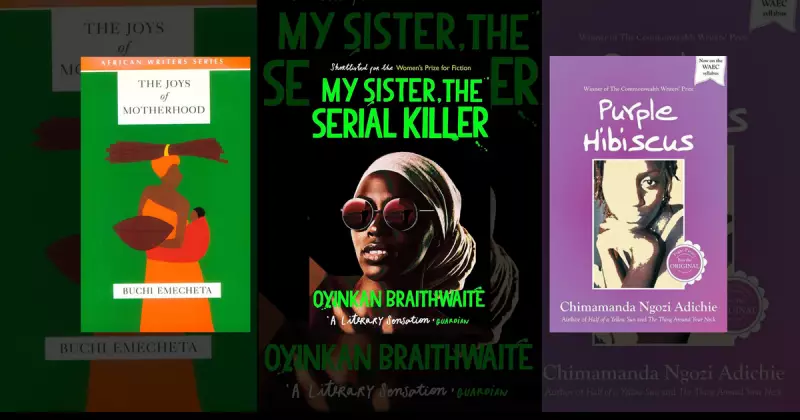
Chimamanda Ngozi Adichie's debut novel, "Purple Hibiscus," stands as a prime candidate. Published in 2003, it follows fifteen-year-old Kambili and her brother Jaja as they navigate life under their father's oppressive religious extremism in Enugu. The story's cinematic potential is undeniable, featuring a tense family drama, a powerful coming-of-age arc, and the backdrop of Nigeria's political instability in the 1990s. The contrast between their stifling home and the liberating world of their Aunty Ifeoma offers rich visual and emotional texture.
For a shift in tone, Oyinkan Braithwaite's "My Sister, the Serial Killer" presents a darkly comedic thriller ripe for adaptation. Set in Lagos, the story revolves around Korede, a pragmatic nurse who repeatedly cleans up after her sister Ayoola's lethal boyfriends. The novel's fast pace, wicked humour, and exploration of chaotic sibling loyalty could make for a uniquely Nigerian cinematic thriller, breaking from conventional Nollywood formulas.
Drama, Romance, and Social Commentary
The scope of Nigerian literature ready for adaptation extends across genres. Lola Shoneyin's "The Secret Lives of Baba Segi's Wives" delves into the intricate dynamics of a polygamous household. Told from the perspectives of Baba Segi's four wives, the novel is a layered drama full of secrets, alliances, and scandal. Its blend of humour and poignant revelation would translate into a compelling ensemble film, offering insights into family, power, and resilience.
In the realm of romance, Fatima Bala's "Broken" offers a heartfelt and culturally specific love story. It follows Fa'iza Mohammed and Ahmad Babangida, navigating a relationship between conservative Muslim upbringing and personal desire across Nigeria and Canada. The novel's emotional depth and sensitive handling of cultural boundaries could form the basis of a visually soft yet intensely romantic film.
Social issues take centre stage in Adesuwa O'Man Nwokedi's "Adanna." This harrowing narrative follows a sixteen-year-old girl forced into marriage, exploring themes of exploitation, patriarchy, and survival. A film adaptation could spark crucial conversations about girlhood and agency, serving as a powerful social drama.
Historical Depth and Timeless Classics
Some novels offer a window into Nigeria's past with stories that resonate powerfully today. Ukamaka Olisakwe's "Ogadinma; or, Everything Will Be All Right," set in the 1980s, tracks a young woman's life after a traumatic event leads to an unwanted pregnancy and a violent marriage in Lagos. Its unflinching look at domestic abuse, mental health, and societal pressure makes it prime material for a raw, festival-ready drama.
No list would be complete without Buchi Emecheta's classic, "The Joys of Motherhood." Published in 1979, this seminal work follows Nnu Ego in colonial Lagos as she grapples with the immense societal pressures of motherhood, poverty, and sacrifice. Its structured, biographical narrative and timeless themes of gender roles and emotional labour are the foundations of a potential award-winning historical drama.
The common thread among these seven books is their inherent cinematic quality. They contain the essential elements filmmakers seek: compelling conflict, unforgettable characters, humour, heartbreak, and rich social and political context. For Nollywood—or indeed Hollywood—looking to its next major literary adaptation, the source material is not lacking. It is time for these vivid worlds and the characters who inhabit them to leap from the page and captivate audiences on the silver screen.