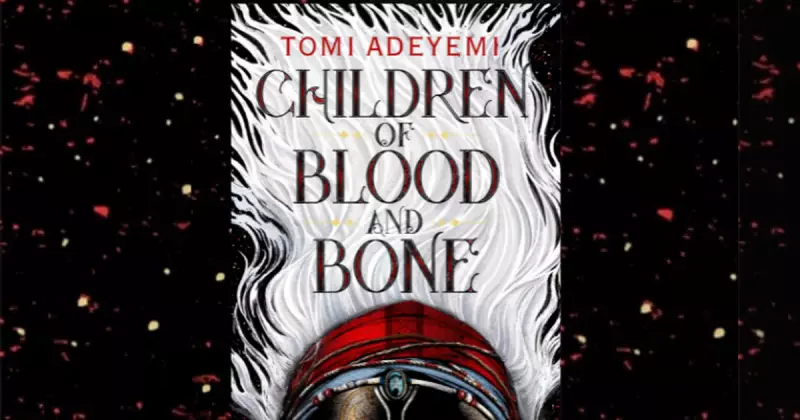
Some narratives seize you with undeniable force, while others embed themselves in your consciousness with a quiet, lasting power. Tomi Adeyemi's acclaimed Legacy of Orïsha trilogy, beginning with Children of Blood and Bone, masterfully accomplishes both. This is not merely a fantasy series; it is an emotional and political reckoning that resonates deeply with its audience.
The story unfolds in the kingdom of Orïsha, a world where the legacy of the maji—people with divine magic—is both a profound gift and a crushing burden. Adeyemi crafts an experience that is simultaneously epic and intimate, brutal and tender, drawing readers into a universe that feels both mythically grand and strikingly familiar.
Magic as Identity and Political Power
In Adeyemi's world, magic is far more than a supernatural ability. It is presented as identity, memory, and lineage—a sacred thread connecting the living to their ancestors. The author builds a rich, Yoruba-inspired cosmology featuring ten maji clans, each wielding power over elements like life, death, water, fire, and time.
This magic system feels textured and authentic, immersing the reader in a culture you can almost hear and feel. However, the core tension arises from the fact that magic in Orïsha is intensely political. It has been criminalized, its practitioners hunted, and this systemic oppression shapes every facet of the characters' lives and the kingdom's fate.
Zélie Adebola and the Heavy Weight of Legacy
The heart of the trilogy beats with its fiery protagonist, Zélie Adebola. She is a heroine marked by relatable flaws, justified anger, and a bravery born of necessity rather than desire. Readers journey with her through a raw and honest exploration of power, pain, and the heavy responsibility of reclaiming a stolen inheritance.
Adeyemi writes Zélie with a frantic tenderness, making her exhaustion, hope, and guilt palpable. Through her eyes, the fight for magic transforms into a fight for generational justice, a struggle to heal wounds inflicted on her people long before she was born.
The Unromantic Reality of Rebellion
One of the trilogy's boldest achievements is its refusal to sanitize revolution. The narrative presents no clean victories or costless uprisings. The Iyika rebellion, the violent backlash from the state, and the fracturing of loyalties depict the chaotic, painful reality of shifting power dynamics.
The story evolves into a complex case study of how oppressive systems retaliate when challenged. It forces readers to grapple with difficult questions: What is owed to oppressors? Is violence a legitimate language when peace fails? And who has the right to shape a new world after the old one is torn down?
The character dynamics further deepen these themes. The tense, consequential relationship between Zélie and Prince Inan, the steadfast support of Tzain, and the evolving role of Princess Amari all explore a central, human dilemma: How do you love someone whose existence threatens your own?
A Foundation of Nigerian Culture and History
Beyond its thrilling plot, the trilogy is a landmark for its authentic integration of West African, specifically Nigerian and Yoruba, culture. Adeyemi weaves in textures, traditions, food, hairstyles, and language as foundational elements, not exotic decorations. She treats this cosmology with the same reverence typically reserved for European medieval lore in mainstream fantasy.
The narrative carries echoes of real historical traumas—colonization, genocide, state violence—inviting readers to confront these themes within a fantastical framework. At its core, the Legacy of Orïsha is about the reclamation of power, story, and self. It is a testament, particularly for Black readers, that their stories can be mythic, magical, and revolutionary all at once.
Published to critical acclaim, Tomi Adeyemi's work is messy, emotionally potent, and profoundly impactful. It is a series that promises to ruin and heal you, leaving an indelible mark long after the final page is turned.