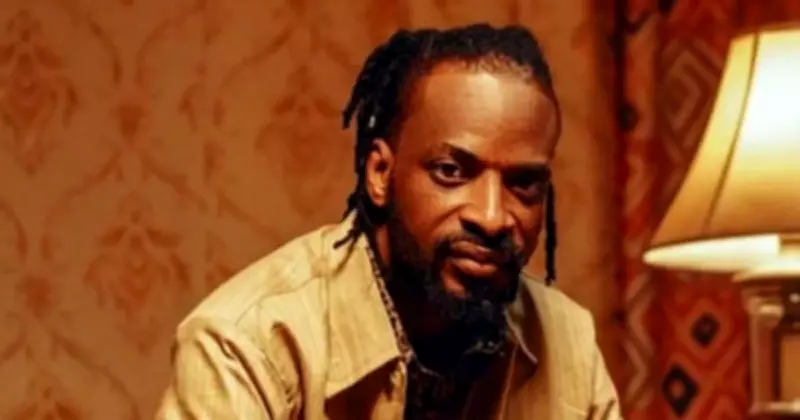
Singer 9ice Questions Nigeria's Religious Focus Amidst National Challenges
Veteran Nigerian artist 9ice has sparked widespread debate across social media platforms after delivering a candid critique of the country's intense religious culture. The singer, whose real name is Abolore Adegbola Akande, expressed frustration that years of fervent prayers to both Jesus and Allah have failed to yield meaningful improvements in Nigeria's socio-economic conditions.
A Blunt Assessment of Religious Practices
In a viral video clip that circulated extensively online, 9ice did not hold back his opinions about what he perceives as misplaced priorities among Nigerians. "You'll leave Nigeria and go to Mecca to lick rocks in the name of Kabba," he stated pointedly. "Ever since you've been calling on Allah and Jesus, this country hasn't gotten any better."
The Ogbomosho-born musician contrasted Nigeria's situation with what he observed in other nations, specifically mentioning London as an example where people prioritize work over religious gatherings. "If you go to London, nobody goes to church there. They only go to their place of work," 9ice remarked, questioning how Nigerians can balance extensive religious commitments with productive labor.
Natural Resources Versus Development Reality
9ice further highlighted Nigeria's paradoxical position as a resource-rich nation that continues to struggle with development. "We have crude oil, we have everything we need, yet we are backwards," he declared, expressing visible frustration at the country's slow pace of progress despite its abundant natural endowments.
The singer's comments touched on what he sees as an imbalance between spiritual devotion and practical productivity. He questioned the logic of attending church on Sunday, Bible study on Wednesday, and vigil on Friday while lacking stable employment, suggesting this pattern might be contributing to national stagnation.
Personal Spiritual Revelation
Perhaps the most surprising element of 9ice's statements came when he revealed his own spiritual practices. The veteran artist disclosed that he has been practicing as a Babalawo—a Yoruba traditional priest—for more than eighteen years, a fact he had kept hidden from the public until now.
This revelation added another layer to his critique of conventional religious practices in Nigeria. 9ice went even further to make a provocative statement about spiritual favors, claiming that "every favor you want in life is in the hands of the devil," a comment that generated additional controversy and discussion among listeners.
Mixed Reactions Across Social Media
The online response to 9ice's statements has been sharply divided, reflecting Nigeria's complex relationship with religion and tradition:
- Supportive Voices: Some Nigerians agreed with 9ice's broader argument about religious fervor potentially overshadowing practical productivity and national development efforts.
- Critical Perspectives: Others firmly rejected his position, maintaining that religion cannot be blamed for Nigeria's systemic challenges and that faith remains essential to national identity.
- Mockery and Skepticism: Regarding his Babalawo confession, many social media users responded with mockery, finding it difficult to take his spiritual commentary seriously given his unconventional revelation.
The debate continues to unfold across platforms, with 9ice's comments touching on sensitive issues of faith, culture, and national identity in contemporary Nigeria. His willingness to speak openly about these topics has once again demonstrated his reputation as an artist unafraid to address controversial subjects through both his music and public statements.