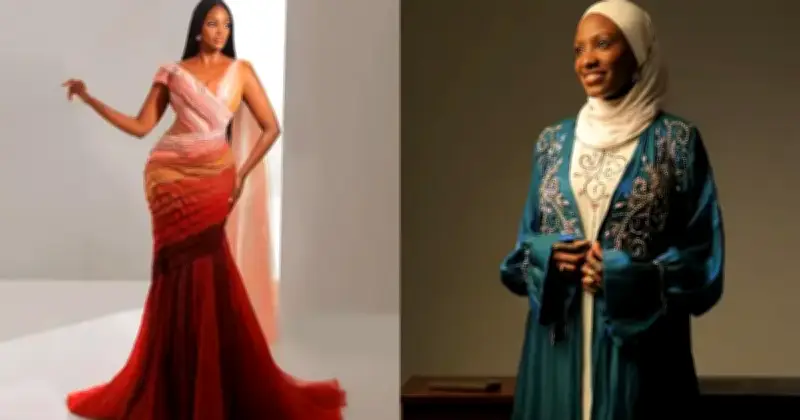
Ugandan fashion designer Mushirah Rabaab Abdallah has created a Miss World gown inspired by the seven layers surgeons cut through during a C-section, challenging the stigma that mothers who give birth through surgery took the "easy way out." Miss Uganda wore the outfit at the 2026 Miss World Festival in Vietnam, where it quickly went viral.
Designer's Inspiration and Message
Abdallah, who is expecting her second child, said the idea came after speaking with several mothers who had undergone C-sections. "When you interview a lot of mums around, you learn the sacrifice that goes in the C-section," she said. Although she has never had a C-section herself, the conversations opened her eyes to how misunderstood the experience is, especially in Uganda.
"In Uganda, we actually do have a lot of stigma around C-sections, because when you hear a mother has gone through a C-section to have their child, anyone can think, oh, so she chose the easy way out, not knowing that it takes a lot of pain, sacrifice, healing that goes into C-sections," she explained.

The 'Layers of Life' Gown
The gown, named "Layers of Life," is made with multiple layers of colourful tulle, representing the seven anatomical layers doctors must cut through during a C-section: skin, fat, fascia, muscle, peritoneum, uterus, and the amniotic sac. Abdallah's five-member team spent about a month creating the gown, with two weeks for concept development and two weeks for bringing the design to life.
Miss Uganda, Muhoza Trivia Elle, wore the gown on the international stage in Vietnam. According to Abdallah, the beauty queen was deeply moved after seeing the finished dress. "When we presented her with the sketch, and the idea and the concept, she was really emotional," Abdallah said. Elle only saw the completed outfit on the day she was travelling to Vietnam.
"She took me on the side, on the corner, and she told me, 'You know what, I feel like I love this dress, it's really beautiful, thank you for putting in the time, and I cannot wait to carry this message,'" Abdallah added.
Global Impact and Conversations
The dress went viral online, prompting women to openly share their childbirth stories while educating many people, including men, about what C-section mothers actually endure. "This dress has really sparked a lot of conversations," Abdallah said. She admitted she never imagined the message would resonate so widely.
"I knew our story was really meaningful, and I knew that our dress carried a big message to put across, but I completely had no idea that it would go as viral as it did," she said. "What started as a fashion piece became into a conversation around motherhood, survival, childbirth, and all of those good things."
The project has also reignited conversations around the history of Caesarean sections. Historical records from the U.S. National Library of Medicine note that a British traveller documented a successful C-section performed by a Ugandan healer as far back as 1879, one of the earliest detailed accounts of the procedure in Africa.
With just a few months left before welcoming her second child, Abdallah says creating the dress has made her own pregnancy journey even more personal. "I can't wait to see how the journey is going to be at the end," she said. "But overall, I'm just so happy."