Cubana Chief Priest Sparks Outrage With Tinubu Endorsement
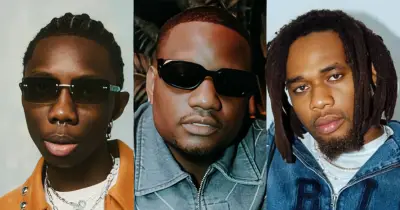
Nigerian celebrity barman Cubana Chief Priest has ignited a firestorm of controversy after publicly endorsing President Bola Ahmed Tinubu's second-term bid for the 2027 presidential election. The social media influencer, recently appointed as Imo State's Director of the City Boy Movement, faces intense backlash from fans who accuse him of betraying Igbo ethnic solidarity.
The Controversial Social Media Post
In a now-viral Instagram post, Cubana Chief Priest shared images of customized campaign buses sponsored by Zenco, a prominent Nigerian billionaire from Anambra State, alongside members of the City Boy Movement. His caption declared unwavering support for Tinubu's re-election campaign, stating: "Our minds are made up, the goal is simple: deliver Asiwaju. Make Baba too fit deliver for us South Easterners. We won't be on the bench again for another four years."
The post emphasized political pragmatism over sentiment, with Cubana Chief Priest asserting that "in politics you must throw away sentiments" and declaring the APC as "the surest odd." This declaration has proven particularly inflammatory given the celebrity's Igbo heritage and the region's complex political history.
Historical Context: The 2023 Election and Igbo Representation
To understand the depth of the backlash, one must revisit the emotionally charged 2023 presidential election. The race featured three major candidates: Bola Tinubu (APC), Atiku Abubakar (PDP), and Peter Obi (Labour Party). For many Nigerians, particularly in the South-East, Peter Obi's candidacy represented more than political competition—it symbolized long-awaited Igbo representation at the highest level of Nigerian politics.
The "Obidient" movement that emerged around Obi's campaign transcended traditional political support, becoming an identity marker for many young Nigerians and particularly resonating with those who felt the South-East had been politically marginalized since the civil war. Voting patterns reinforced regional and ethnic loyalties, making political allegiance deeply personal for many citizens.
The Betrayal Accusations
As an Igbo public figure whose brand has been built around Eastern pride and cultural representation, Cubana Chief Priest's endorsement of Tinubu—the candidate who defeated Peter Obi—has struck many as a profound betrayal. Critics argue that supporting Tinubu after the emotionally charged 2023 election represents a rejection of the collective aspiration for Igbo political representation.
The reaction on social media has been particularly harsh, with numerous comments expressing disappointment and anger:
- "As an Igbo boy, I feel betrayed"
- "One who sells his brothers even the buyers won't trust him"
- "With the current situations in Nigeria, una still get mind they support APC?"
- "I understand when a poor and broke person sellout... But to have this kinda wealth and still be this greedy tells a lot"
Broader Implications for Celebrity Politics
This controversy highlights the complex intersection of celebrity influence, ethnic identity, and political allegiance in Nigeria. While Nigerian entertainers and businessmen have historically engaged with politics, Cubana Chief Priest's case demonstrates how such endorsements can carry significant cultural weight beyond mere political preference.
The backlash reflects deeper tensions about political representation, ethnic solidarity, and the expectations placed on public figures from marginalized regions. As the 2027 election approaches, this incident may signal increasing scrutiny of celebrity political alignments and their implications for Nigeria's delicate ethnic balance.
The City Boy Movement, through which Cubana Chief Priest made his endorsement, represents a growing trend of political mobilization groups attempting to influence electoral outcomes. Their visible support for Tinubu's re-election bid suggests early positioning for the next presidential race, potentially setting the stage for further controversies as the political season intensifies.