Nollywood Star Defends Wizkid's Fela Tattoo as Cultural Heritage
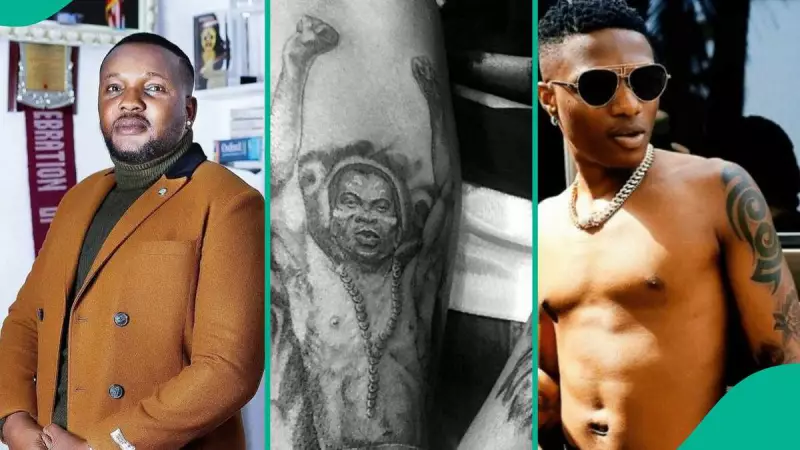
In a dramatic escalation of the ongoing public feud between music icons, Nollywood actor Yomi Fabiyi has issued an urgent appeal to Grammy-winning superstar Ayodeji "Wizkid" Balogun, urging him to maintain his composure and preserve the tattoo of late Afrobeat legend Fela Anikulapo-Kuti. This intervention comes directly in response to Seun Kuti's recent ultimatum, where the Afrobeat musician allegedly declared that Wizkid's continued success depends on removing the iconic tattoo from his arm.
The Controversial Ultimatum and Cultural Standoff
The conflict, which has dominated Nigerian social media conversations for several days, reached a critical juncture when Seun Kuti reportedly delivered a heavy warning to Wizkid. According to circulating reports, Kuti claimed that the global music star would "never be successful again" unless he erased the tattoo honoring his father, Fela Kuti. This declaration has sparked intense debate about artistic expression, cultural ownership, and the boundaries of legacy protection within Nigeria's entertainment landscape.
Fabiyi's Passionate Defense of Cultural Continuity
Through a detailed Instagram post that has since gone viral, Yomi Fabiyi presented a compelling counter-argument to Seun Kuti's position. The actor described Wizkid's tattoo as far more than mere body art, characterizing it as a badge of honor, a symbol of gratitude, and a meaningful connection to Nigeria's cultural heritage. Fabiyi emphasized that the tattoo represents continuity within the Afrobeat movement and serves as a tangible tribute to Fela's enduring influence.
In his open letter addressed directly to Wizkid, Fabiyi wrote: "Dear Wizzy, Please don't be tempted to erase Fela's image you tattooed. Manage this storm very well, mate. You unarguably represent a revolution/history in Nigeria and Afrobeat music." He further elaborated on Fela's significance as a powerful force who championed social justice, fought against corruption, and contributed to Nigeria's democratic development.
Recognition of Wizkid's Global Impact and Legacy
Fabiyi's message extended beyond the immediate controversy to celebrate Wizkid's substantial contributions to Nigerian music on the world stage. The actor praised the singer's consistent demonstrations of respect for Fela's memory, noting his regular performances at Felabration events, public celebrations of the Afrobeat pioneer, and the permanent tribute embodied in his tattoo. Fabiyi elevated his praise by describing Wizkid as a "living legend" and a "national asset" whose global influence continues to elevate Nigeria's cultural profile internationally.
The actor concluded his emotional appeal with these words: "For a global music legend like you to have tattooed him on your skin… we know your genuine opinion. Continue to celebrate Fela and walk the path of honour and peace. I can’t trade you both — Fela and you — for anything." He rounded off his message with prayers for Wizkid's continued success, longevity, and positive impact.
Social Media Reactions and Broader Implications
The public response to Fabiyi's intervention has been mixed, reflecting the divisive nature of the original controversy. Some social media users have expressed agreement with Fabiyi's position, applauding his defense of artistic freedom and cultural appreciation. Others have questioned the significance of the tattoo itself, suggesting alternative perspectives on the matter. This ongoing dialogue highlights deeper questions about:
- The boundaries of cultural legacy protection
- Artistic expression versus familial ownership
- The intersection of personal tribute and public symbolism
- Generational continuity in Nigeria's music industry
Related Developments in the Entertainment Sphere
This controversy occurs alongside other notable developments within Nigeria's entertainment industry. Fellow musician Asake has recently broken his silence regarding Seun Kuti's advisory to "be careful of Wizkid," choosing instead to reaffirm his professional partnership with the Grammy-winning artist. Additionally, previous interviews have resurfaced where Wizkid himself addressed comparisons to Fela Kuti, providing historical context to the current disagreement.
The situation continues to evolve as stakeholders within Nigeria's vibrant entertainment community weigh in on this intersection of music, legacy, and cultural representation. What remains clear is that this debate touches upon fundamental questions about how Nigeria honors its cultural icons while supporting contemporary artists who build upon their foundations.