The Nigerian gospel music community is in mourning following the tragic loss of singer Bunmi Akinnaanu, popularly known as Omije Ojumi. Her death on Tuesday, January 13, 2026, at a hospital in Lagos has sent shockwaves through the industry and sparked a significant conversation about the conduct of spiritual leaders online.
Alayo Melody's Heartfelt Appreciation and Stern Warning
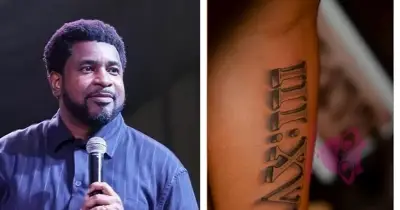
In a poignant video message shared on his social media pages on Thursday, January 14, fellow gospel artist Alayo Melody expressed deep gratitude. He thanked Nigerians, colleagues, and well-wishers for their unwavering support for Omije Ojumi during her illness. He specifically acknowledged Prophets Taiwo and Sam Ojo for their efforts, revealing that plans to fly the ailing singer to India for treatment were thwarted when doctors declared her unfit to travel.
Alayo Melody, however, swiftly shifted his message to address a growing concern. He issued a direct warning to Nigerian prophets who habitually share visions of celebrities' deaths on social media platforms. Speaking passionately in Yoruba, he stated, "But what God has written, no one can change it," before condemning the public broadcast of such prophecies.
A Call for Discretion and Prayer Over Public Pronouncements
The singer strongly advised these prophets to cease posting death prophecies about public figures online. Instead, he urged them to adopt a more discreet and spiritually responsible approach. Alayo Melody recommended that they should either contact the individual concerned privately or simply pray on their behalf.
He provided a chilling rationale for his advice, highlighting the potential for such public prophecies to be weaponized. Alayo suggested that malicious individuals or enemies of the targeted celebrity could use the prophecy as a catalyst to orchestrate harm, effectively working to ensure the prediction comes true through diabolical means.
Public Outcry and Demand for Legal Action
The singer's message resonated deeply with many Nigerians online, triggering a wave of reactions. A significant number of commenters supported his stance and took it a step further by calling for legal consequences.
Social media users demanded that prophets who engage in this practice be held accountable. Comments reflected public frustration, with calls for arrest and for one prophet to be made a "scapegoat" to serve as a deterrent to others. The sentiment was clear: many believe these prophecies are sometimes made for clout and to instill fear, rather than from a genuine spiritual place.
This incident has also led to the resurfacing of an old prophecy concerning Omije Ojumi. A video from November 2025 has trended, featuring a cleric who claimed the singer's illness was spiritual—an "arrow" fired at her—rather than purely medical. The timing of its resurgence has added another layer to the ongoing discussion about prophecy, privacy, and responsibility in the digital age.