Evangelist Kesiri Esiri Backs Pastor Kingsley Okonkwo Amid Tattoo Controversy
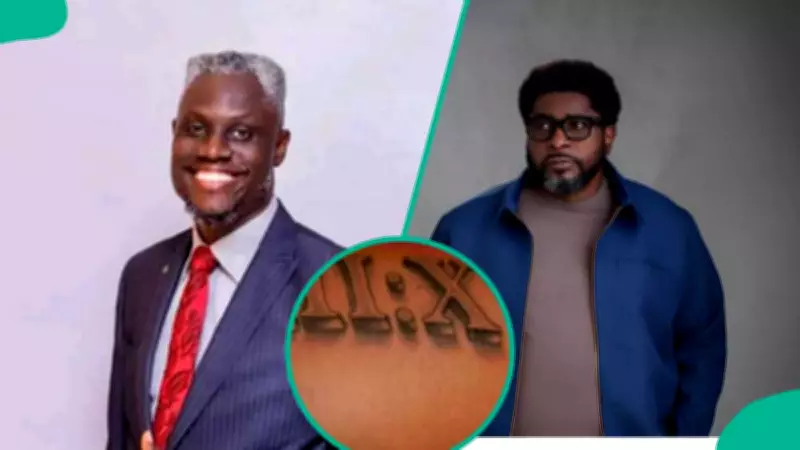
In a recent development that has stirred significant debate within Nigerian Christian circles, Evangelist Kesiena Esiri, the founder of the Remnant Christian Network, has publicly defended Pastor Kingsley Okonkwo of David Christian Centre (DCC) over his decision to get a tattoo. The controversy erupted after Pastor Okonkwo shared a video showcasing a new inscription on his arm, which many followers criticized as inappropriate for a cleric.
Biblical Context and Moderation in Christian Practices
Speaking during one of his church services, Evangelist Esiri addressed the backlash, firmly stating that getting a tattoo is not a sin. He referenced Leviticus 19:28, a scripture often cited by critics, explaining that this instruction was specifically given to the Israelites to distinguish them from pagan practices, rather than a universal prohibition for all Christians. Esiri emphasized that the Bible provides clear guidance on essential matters, but believers should exercise moderation and consideration for those with weaker faith.
To illustrate his point, Esiri drew a parallel with Christians consuming Sallah meat. He noted that while eating such meat is not inherently sinful, some believers avoid it due to personal convictions. He criticized those who accept the meat only to discard it, highlighting the importance of sincerity and understanding in Christian actions. According to Esiri, pastors and evangelists should be mindful of how their actions might be perceived by others in the congregation, especially those who may struggle with certain practices.
Mixed Reactions from Fans and Followers
The defense by Evangelist Esiri has sparked a wave of mixed reactions on social media, with fans and critics alike weighing in on the issue. Some supporters applauded his nuanced interpretation of scripture, while others expressed concern over what they see as a dilution of Christian values.
- @prince_ironsi commented, "Christianity is seriously under attack, with constant strategies to weaken the spirituality of Christians. As Christians, the Holy Spirit dwells in us and teaches all things. Substance smoking wasn't condemned in the Bible, but we avoid it because our body is the temple of God."
- @WalterIchuks reacted by quoting Leviticus 19:28, "You shall not make any cuts on your body [in mourning] for the dead, nor make any tattoo marks on yourselves; I am the Lord."
- @PstKenn shared, "Remember! He said that shaving beards is a sin too by that scripture. So if being a pastor makes having a tattoo wrong, then shaving beards as a pastor also makes it wrong for you."
- @ochiidoma1 wrote, "To me, that man is a motivational speaker, a marriage counselor—I don't see him as a pastor."
Broader Implications for Nigerian Christianity
This incident is part of a larger conversation about modern Christian practices in Nigeria, where traditional beliefs often clash with contemporary expressions of faith. Evangelist Esiri has previously commented on other topics, such as Christians following reality TV shows like Big Brother Naija and engaging with social media personalities, questioning why believers are drawn to such secular influences. His latest remarks on tattoos further highlight the ongoing tension between adherence to scriptural literalism and the adaptation to cultural shifts.
Pastor Kingsley Okonkwo, in his initial response to critics, defended his tattoo by stating that he was sent to break the hold of religion on the youth and that his critics were not the ones who called him to ministry. This stance, combined with Esiri's support, underscores a growing trend among some Nigerian clerics to reinterpret biblical teachings in light of modern contexts, aiming to make Christianity more relatable to younger generations.
As the debate continues, it raises important questions about the boundaries of Christian liberty, the role of pastors in setting examples, and how Nigerian believers navigate faith in an increasingly globalized world. The mixed reactions from the public suggest that this issue will remain a point of discussion in religious circles for some time.