Fela Kuti's Son Kunle Breaks Silence on Wizkid and Seun Kuti Conflict
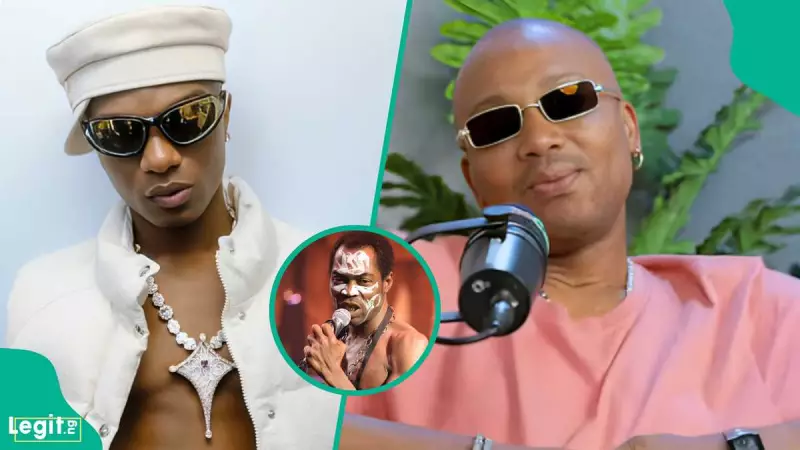
Kunle Kuti, the second son of legendary Afrobeat pioneer Fela Anikulapo-Kuti, has publicly addressed the ongoing tension between his younger brother Seun Kuti and global Afrobeats superstar Wizkid. In a heartfelt interview, Kunle expressed deep sadness over the public clash that has divided Nigeria's music community and fans across social media platforms.
"Wizkid Is the Only Artist I've Ever Begged to Meet"
During an exclusive conversation with Kola Olapoju of The Cable, Kunle Kuti made a surprising revelation about his admiration for Wizkid. "Wizkid is the only artist I've kind of begged people to meet in my life," Kunle confessed. "To be honest, I'm telling you, because yeah, we're close, right? Even Sunday Are, I have begged him like, 'Guy, I want to meet this guy (Wizkid),' to show you how much I love him."
This statement carries significant weight coming from a member of Nigeria's most iconic musical dynasty. Kunle explained that his desire to meet Wizkid stemmed from genuine respect for how the Grammy-winning artist honors his father's legacy.
The Tattoo That Sparked Controversy and Admiration
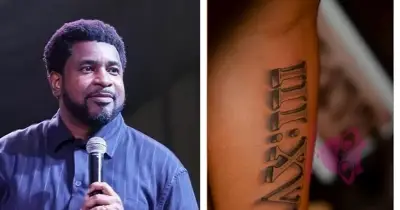
Central to the ongoing debate is Wizkid's decision to tattoo Fela Kuti's portrait on his arm. While this gesture has drawn criticism from Seun Kuti, Kunle views it differently. "For the fact that he has Fela's tattoo on his arm, we, his kids, don't even have our dad's tattoo on us," Kunle noted, highlighting the unique nature of Wizkid's tribute.
Kunle described Wizkid's tattoo as "a powerful symbol of respect that even surpasses what some of Fela's own children have done to honour their father's memory." This perspective offers a counter-narrative to the criticism that has dominated recent discussions about cultural appropriation and legacy preservation.
Heartbreak Over Unnecessary Comparisons
The core of Kunle Kuti's message revolves around his belief that comparing Fela Kuti and Wizkid serves no productive purpose. "I don't want anybody to compare them. It's two different things," he emphasized. "I was heartbroken, like, Ah, what is this going on?"
Kunle elaborated that both artists represent distinct musical and cultural contributions that should be appreciated separately rather than pitted against each other. His comments suggest a desire for reconciliation and mutual respect within Nigeria's creative community.
Family Dynamics and Public Perception
The interview reveals interesting dynamics within the Kuti family regarding how different members view Wizkid's connection to their father's legacy. While Seun Kuti has been vocal in his criticism, Kunle's perspective shows there isn't a unified family position on the matter.
This isn't the first time family members have expressed support for Wizkid. Previously, Yeni Kuti, another of Fela's children, has also shown appreciation for Wizkid's contributions to promoting Afrobeat music globally.
Broader Context of the Feud
The conflict between Seun Kuti and Wizkid escalated when Seun allegedly declared that Wizkid would "never be successful again" unless he removed the Fela tattoo from his arm. This statement triggered widespread reactions across social media and within entertainment circles.
Nollywood actor Yomi Fabiyi previously appealed to Wizkid to remain calm amid the controversy, describing the tattoo as "more than ink, but a symbol of gratitude, cultural honour and continuity of the Afrobeat movement."
Social Media Reactions and Public Discourse
The public response to Kunle Kuti's interview has been mixed, reflecting the polarized nature of the original feud:
- Some social media users questioned Kunle's loyalty to his brother
- Others praised his reasonable approach to the situation
- Many debated the appropriateness of comparing different generations of artists
- Several comments highlighted the value of preserving Fela's legacy while embracing contemporary contributions
Kunle Kuti's intervention represents a significant voice in this ongoing cultural conversation. As a member of Nigeria's most celebrated musical family, his perspective carries particular weight in discussions about artistic legacy, cultural preservation, and intergenerational respect within the Nigerian entertainment industry.
The interview ultimately serves as a reminder that artistic appreciation doesn't have to be a zero-sum game, and that multiple perspectives can coexist within families and creative communities facing complex questions about legacy and innovation.