Social Media Debate Erupts Over Tonto Dikeh's Public Repentance
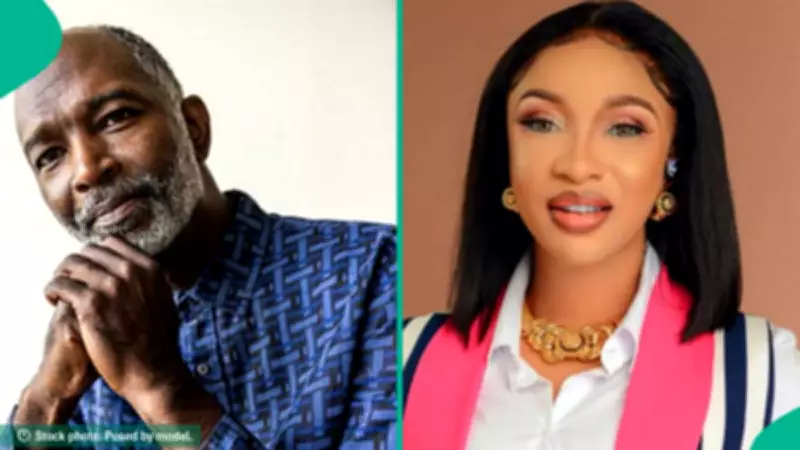
A Nigerian man has stirred significant controversy across social media platforms by openly questioning the sincerity of popular actress Tonto Dikeh's recent public declaration of repentance. The man, identified on Instagram as @MaziTundeEdnut, expressed strong doubts about whether the actress has genuinely changed her ways, sparking heated discussions among Nigerians about authenticity in the public eye.
Man Questions Motivations Behind Church Video
In a widely circulated video, the critic specifically addressed Tonto Dikeh's decision to have someone record her while cleaning a church, suggesting this action revealed deeper issues. "I'm not convinced she has changed," the man stated emphatically. "Why would you be doing something, maybe you are cleaning the church and you are telling someone to video and post it, what's all that for? It's attention, unnecessary clout and attention."
The man argued that true transformation should be evident through consistent actions rather than public declarations designed for social media consumption. He expressed skepticism about the need to document charitable deeds, suggesting that such documentation undermines the sincerity of the act itself. According to his perspective, authentic change speaks for itself without requiring public validation through recorded evidence.
Mixed Reactions Flood Social Media Platforms
The man's comments have generated polarized responses from Nigerians across various social media platforms. Some users have supported his viewpoint, agreeing that public figures often engage in performative acts for attention rather than genuine transformation. Others have defended Tonto Dikeh, arguing that as a public figure, she has every right to share her journey publicly.
One commenter, @Gracia, responded: "She influenced people publicly in a bad way, so why can't she influence people in a good way publicly? Let her be!! Whether she's seeking attention or not, that's her business not yours!! I hate when people talk down on people's effort. Don't judge!!"
Another user, @??????????..?, added: "She needs to record herself and tell the world she has changed because she's a public figure and has always been trending for the wrong reasons. So she needs to tell the world and make it known to people that yes she has changed and others can learn from her."
Broader Questions About Celebrity Influence
The controversy has raised broader questions about celebrity influence and authenticity in Nigeria's entertainment industry. The critic questioned Tonto Dikeh's actual influence, expressing surprise that she could impact others given her reputation. "I'm even surprised she influences people, because when I see that kind of person, I wonder how much influence she can have on another woman," he remarked.
This perspective has sparked discussions about what constitutes genuine influence versus social media relevance. Some commentators have suggested that the entire episode reflects deeper societal conversations about redemption, public perception, and the pressures faced by celebrities in maintaining relevance in Nigeria's competitive entertainment landscape.
Religious and Moral Dimensions of the Debate
Several reactions have incorporated religious perspectives into the discussion. User @Ikper Victoria commented: "It is not our place to judge others, as only God can do that. We should focus on our own lives and not worry about what others are doing. We should also remember that God can use anyone for His purpose."
This spiritual dimension adds complexity to the debate, with some arguing that matters of repentance and transformation should remain between individuals and their faith, while others maintain that public figures have responsibilities regarding their influence on society, particularly in a country like Nigeria where religious values hold significant cultural weight.
The ongoing discussion continues to highlight the intersection of celebrity culture, social media dynamics, and personal transformation in contemporary Nigerian society, with no clear consensus emerging about the appropriate boundaries between public and private spiritual journeys.