Mr Real's Fiery Condemnation of Celebrity Silence on Jos Tragedy
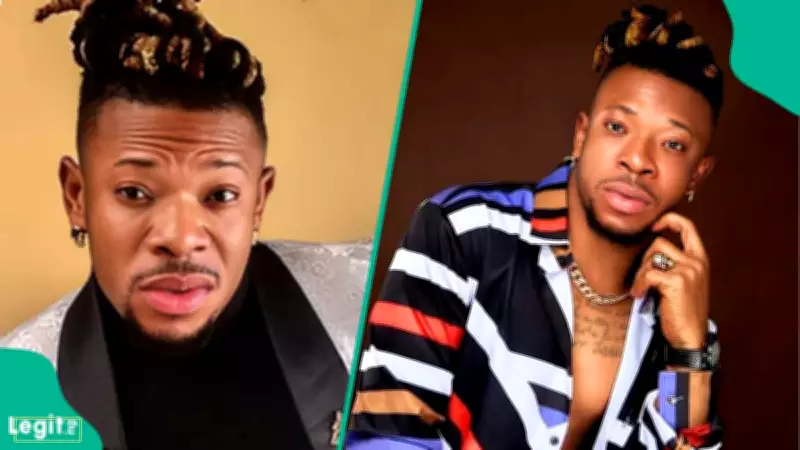
Popular Nigerian rapper Okafor Victor, widely known as Mr Real, has launched a scathing criticism against fellow entertainers for their continued silence following the recent terrorist attack in Jos, Plateau State. The Legbegbe crooner expressed profound anger in a video posted to his Instagram account on March 31, directly challenging celebrities who depend on fan support for their success to acknowledge the suffering of those same supporters.
"Don't You Have Children?": Mr Real's Emotional Appeal
In his impassioned video message, Mr Real questioned the moral compass of Nigerian celebrities who maintain millions of social media followers yet refuse to use their platforms to speak out against violence affecting their fanbase. "If you're an artist and you are not saying anything about what is happening in this country, God will punish you," the musician declared with visible frustration. "You'll never see any good thing in this life. If you're an actor, if you drop film, that film no go sell. If you're a musician, if you drop song, that song go whack."
The entertainer emphasized the direct connection between celebrity success and fan support, reminding his colleagues that those being killed in attacks are the same people who stream their music, watch their films, and attend their shows. "These people are your fans, they are the people streaming your song, they are the people streaming your movies on YouTube," Mr Real stated. "Even these Jos we are talking about, celebrities will go there, people will scream to celebrate them. They are killing them. They have been murdered for no reason."
Social Media Reactions and Public Backlash
Following Mr Real's viral video, social media platforms erupted with mixed reactions from Nigerian netizens. Many users praised the rapper for his courage in speaking out, while others echoed his criticism of celebrity silence. One user commented: "Thank you bro. It's high time we start boycotting all those celebrities." Another wrote: "Asin, I just dey tired for the celebrities. The way they all went silent and not saying anything even the footballers. I weak for their matter like life's no matter to them."
Additional criticism focused on perceived celebrity priorities, with one netizen observing: "Celebrity are just buying cars when people are dying instead of advocating for our loves ones that are dead." This sentiment reflects growing public frustration with entertainers who appear more focused on material acquisitions than social responsibility during national crises.
The Broader Context of Celebrity Activism in Nigeria
Mr Real's outburst occurs against a backdrop of increasing expectations for Nigerian celebrities to leverage their influence for social causes. The rapper's Instagram caption further elaborated on his position: "We see the pain. We hear the cries. We know the truth. But greed and selfishness have turned many into silent spectators. This is not normal. A nation bleeding, people suffering, voices crying out — yet too many hearts are blinded by greed and deafened by selfishness. Enough is enough."
This statement highlights a growing divide between entertainment industry figures who actively engage with social issues and those who maintain public silence, particularly regarding security challenges affecting ordinary Nigerians. The Jos attack represents just one in a series of violent incidents that have prompted calls for influential figures to speak out.
Historical Precedents and Changing Expectations
Some social media users contrasted current celebrity behavior with past generations of Nigerian musicians who regularly addressed social and political issues through their art. One comment referenced: "Bro in 90's, African China, Oritsa Femi, Baba frayo, Baba fela, Daddy shoki, The most loudest artist idris Abdulkereem and Tony Tetula don sing tired over this bad economy of Nigeria and now their voice are no more all because they carry Nigeria for head."
This comparison underscores evolving public expectations regarding celebrity responsibility, with many Nigerians now demanding that entertainers with massive platforms use their visibility to advocate for victims of violence and injustice. The debate extends beyond the entertainment industry to include sports figures and other public personalities who maintain significant social media followings.
Mr Real's Previous Warnings and Public Concerns
This isn't the first time Mr Real has used his platform to address security concerns. Previously, the musician shared a disturbing dream in which he witnessed armed bandits entering Lagos State, warning that approximately 70% of his past dreams had come to pass. His revelation sparked considerable concern among Nigerians already troubled by recurring reports of bandit attacks and kidnappings across various regions of the country.
The rapper's consistent engagement with security issues contrasts sharply with the silence he criticizes in fellow entertainers, positioning him as an increasingly vocal figure within Nigeria's entertainment landscape willing to address difficult topics that many colleagues avoid.
The Ongoing Impact on Celebrity-Fan Relationships
Mr Real's criticism raises important questions about the evolving relationship between Nigerian celebrities and their supporters. As fan expectations shift toward greater social consciousness from public figures, entertainers face mounting pressure to balance commercial interests with moral responsibilities. The rapper's warning about career consequences for silence—"that film no go sell" and "that song go whack"—suggests potential economic repercussions for celebrities perceived as indifferent to their supporters' suffering.
This dynamic reflects broader global trends where audiences increasingly expect celebrities to leverage their influence for social good, particularly during times of crisis affecting their core fan demographics. In Nigeria's context, where entertainment represents both cultural expression and economic opportunity, these expectations carry particular weight for artists whose success depends directly on public support.