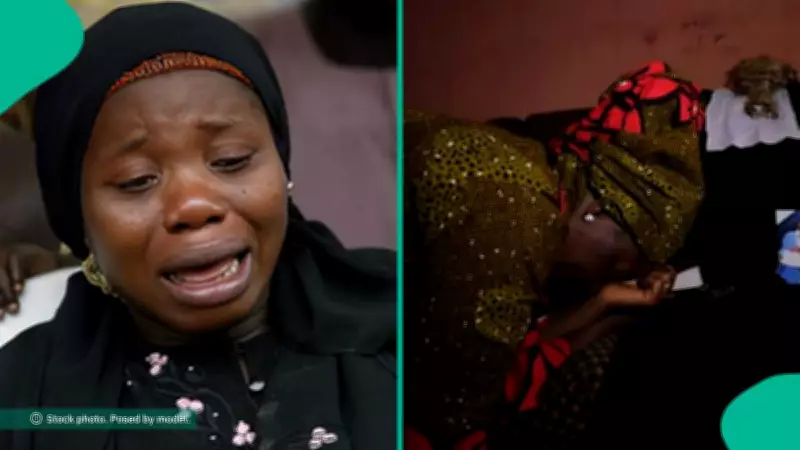
A Nigerian Woman's Agonizing Tale of Maternal Rejection
A deeply personal and heartbreaking story has emerged from Nigeria, where a woman has publicly shared her painful experience of caring for a sick mother who has consistently shown her hatred and favoritism toward her siblings. The emotional account, shared via social media, highlights the complex dynamics of family relationships and the toll of unreciprocated caregiving.
Lifelong Favoritism and Maternal Coldness
According to the detailed narrative, the woman explained that she has always been treated differently by her mother compared to her four siblings. From childhood through adulthood, she experienced what she describes as clear favoritism, with her mother showing affection and preference to her brothers and sisters while treating her with what felt like disdain. "Out of four children, I am the only one she doesn't like," the woman revealed through a narrator in a TikTok video that has since gained attention.
The situation became particularly poignant as the siblings achieved financial success while she remained less economically prosperous. Despite this disparity, she consistently ensured her mother never went hungry, using her limited resources to provide basic necessities when her wealthier siblings did not.
The Caregiving Burden Falls on the 'Unloved' Daughter
The family dynamic reached a critical point when the mother fell ill and required ongoing care. While the successful siblings initially contributed to hospital expenses, they collectively decided to transfer their mother to the daughter's home, justifying this decision by claiming she had more available time since she wasn't occupied with demanding careers or businesses like they were.
What followed was an emotionally draining period where the daughter provided daily care—feeding, cleaning, and attending to her mother's needs—while receiving minimal acknowledgment or warmth in return. She described heartbreaking scenes where her mother would engage in cheerful conference calls with her "rich" children, laughing and conversing freely, while barely speaking to the daughter who was physically caring for her.
The Final Emotional Blow: Accusations of Greed
The most devastating moment came when the daughter overheard her mother speaking on the phone to a friend. Instead of gratitude, her mother accused her of having ulterior motives, suggesting she only took her in to extort money from her wealthy siblings. "I spend my own money and my strength to care for her, yet she told someone I am only doing it for greed," the woman lamented.
This accusation proved to be the breaking point, leading the daughter to express her exhaustion and desire for her mother to leave her home and go live with the children she clearly prefers. The emotional toll of providing constant care while receiving only suspicion and coldness has created an unsustainable situation.
Social Media Reactions and Shared Experiences
The story has resonated widely on social media platforms, with many users sharing similar experiences of parental favoritism. One commenter identified as JOF-TEE GOLD JEWELRY wrote: "This is my story. My mother treated me differently when me and 5 of my siblings were kids. Now God bless me more than the rest of them."
Another user, Princesslomo backup, offered support with the message: "She share your glory to all of them," while Chi desire commented: "I hate who hate me regardless who you are." These responses highlight how common such family dynamics can be and the emotional support communities can provide in such situations.
The Broader Context of Family Caregiving in Nigeria
This story touches on several important themes in Nigerian society, including:
- Family obligations and expectations regarding elder care
- Financial disparities among siblings and how this affects family dynamics
- Emotional labor in caregiving relationships
- Intergenerational relationships and unresolved childhood issues
- Social media as an outlet for sharing personal struggles
The woman's decision to share her story publicly reflects a growing trend of using digital platforms to discuss traditionally private family matters, seeking both validation and community support during difficult personal experiences. While her specific situation involves extreme maternal rejection, it speaks to broader issues of recognition and appreciation within family caregiving arrangements across Nigerian society.