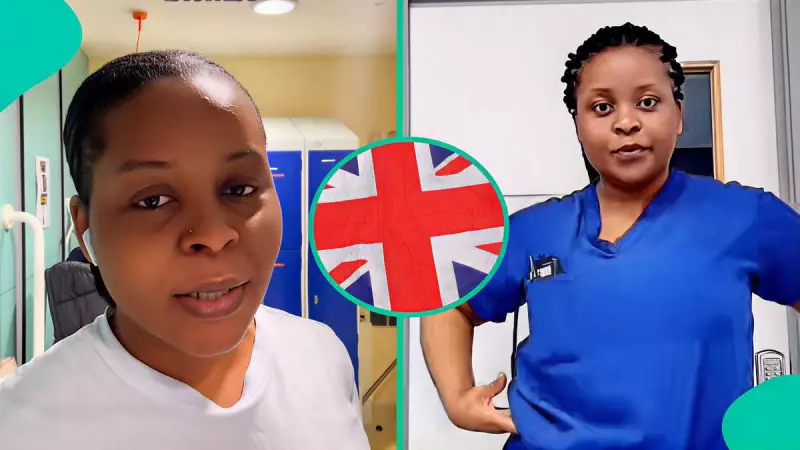
A Nigerian woman working in the United Kingdom has narrated a harrowing experience where a simple workplace conversation spiraled into a police investigation, nearly costing her job and freedom. The incident, which she shared in a viral TikTok video, highlights the precarious nature of cross-cultural communication and safeguarding protocols for migrant workers.
From Casual Chat to Police Case
The woman, identified as Favour (@fossy_fossy), explained that the ordeal began on a normal day at her second job. While shadowing a colleague and driving a client, a conversation was sparked after the colleague saw a video on Favour's phone related to the Justice for Ochanya campaign. Ochanya's case, which involved the rape and death of a young girl in Benue State, Nigeria, had drawn widespread public outrage.
Favour recounted explaining the case to her colleague, stating how many victims never receive justice. "I said to her, I can show you other people that I've been molested and no justice was given to them," she recalled. However, when she offered to show a related video from her social media page, the colleague's reaction was immediate and severe.
"She said, 'Oh no, you are not meant to have child [blue film] on your phone,'" Favour said. She was stunned, clarifying she never mentioned any illicit content. Despite her explanation, the colleague insisted that possessing such material was illegal and could lead to police involvement.
Suspension and Police Interrogation
The situation escalated about a week later when Favour received a call from her manager. She was informed of a formal complaint accusing her of being in possession of an illicit video of a child on her phone. Shockingly, the matter had already been reported to the UK police without her side of the story being heard.
"I was told that the matter had been reported to the police already," she stated. This led to her immediate suspension from work for approximately one month while the case was reviewed. Subsequently, the police invited her for what she described as an intense interrogation, though officially termed an 'interview'.
During the session, officers conducted forensic checks on her phone and demanded a full explanation. After their investigation, the police concluded it was a clear case of miscommunication. They stated the issue should never have escalated to that level and should have been resolved internally by her manager.
Hard Lessons on Workplace Dynamics Abroad
Favour, reflecting on the traumatic experience, shared a stern warning for fellow migrant workers. She emphasized the critical importance of understanding workplace boundaries, especially in foreign environments. "The colleague involved is an oyinbo, and you know it's an oyinbo company," she noted, using a Nigerian term for a white person or Westerner.
Her advice was blunt: "Please mind what you discuss with people. Keep your mouth shut. Not everyone at work is your friend. Especially those oyinbo people at work — they are not your friends. That is the simple truth." She framed the incident as a hard lesson in navigating professional spaces abroad, where cultural interpretations and strict safeguarding rules can turn misunderstandings into serious allegations.
Online Reactions and Broader Implications
The story ignited a fierce debate online. Some users, like @Temmy Temz, urged Favour to sue for defamation of character, unfair suspension, and psychological distress. Others, like @Just "A", offered a different perspective, explaining that colleagues have a strict duty of care and that in child safeguarding cases, protocols often require reporting before informing the accused to prevent evidence tampering.
This incident underscores the complex intersection of cultural communication, workplace ethics, and stringent UK safeguarding laws. For the growing Nigerian diaspora in the UK, it serves as a cautionary tale about the potential consequences of casual conversations being misinterpreted within a different legal and cultural framework.