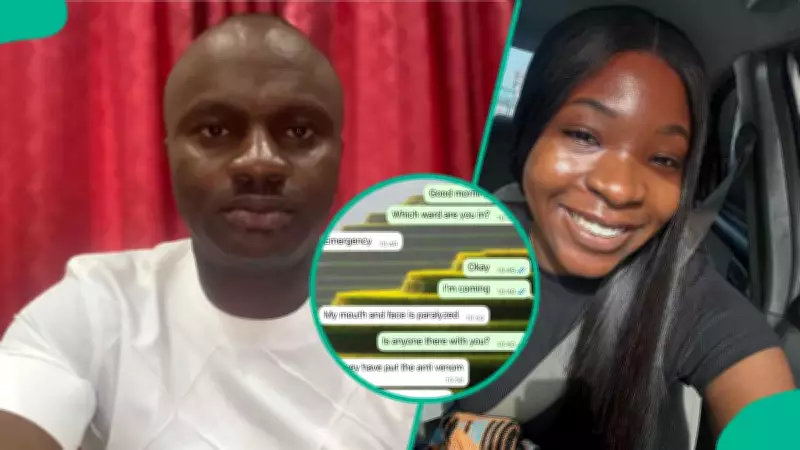
The tragic death of fast-rising Abuja singer Ifunanya 'Nanyah' Nwangene has taken an emotional turn as her final WhatsApp conversation with a friend has been released online, moving many Nigerians to tears. The 31-year-old vocalist passed away on Saturday, January 31, 2026, after being bitten by a snake at her residence in the Federal Capital Territory.
Heartbreaking Final Exchange Emerges Online
Jacob Enenche Okwori, a Nigerian man and friend of the deceased, shared the poignant chat on Facebook, revealing Nanyah's last communication with Vincent Udekwe, her birthday mate and fellow chorister at the Abuja Metropolitan Music Society (AMEMUSO) choir. The conversation provides a raw glimpse into the singer's final moments as she battled the effects of the venomous snakebite.
The Tragic WhatsApp Conversation
In the released chat, Vincent inquired about which hospital ward Nanyah had been placed in, to which she responded that she was in the emergency ward. Just one minute later, the singer expressed her distress, writing: "My mouth and face is paralysed" – likely a direct effect of the snake's venom.
When Vincent followed up by asking if she had company at the hospital, Nanyah replied: "But they have put the anti venom." The conversation concluded with her confirming that she was alone in the emergency ward, a detail that has particularly moved those who have read the exchange.
Community Response and Healthcare Concerns
The release of this final chat has sparked widespread emotional reactions and renewed discussions about Nigeria's healthcare infrastructure. Jacob Okwori expressed appreciation for those who supported Nanyah during her final moments, specifically mentioning Vincent Udekwe, Sam C. Ezugwu, Paschal Nworgu Tenor, Json Somto, and others who rallied around her.
On social media platforms, Nigerians have been sharing their grief and frustration. Halimat Omotine commented: "If the anti venom was made available she wouldn't have be going around and during those times she was already weak... What is the government doing about this?"
Other reactions highlighted similar concerns:
- Queenmary Stephen noted: "As at when the anti venom came it was late because the venom had already spread all over her."
- Van Pita observed: "The sad part about this demise, it’s could be avoided, but due to our poor medical system, they failed her."
- Angela Chika suggested: "The government should make it compulsory for some hospital to have this anti venom so that when one is bitten by any poisonous snake the person wouldn't be going up and down."
Choir Director Recounts Final Moments
Sam Ezugwu, director of the AMEMUSO choir to which Nanyah belonged, provided additional context about her final hours. According to his account, after the snakebite occurred, Nanyah immediately alerted members of her musical group, who quickly mobilized to support her. Some choir members rushed to the hospital to ensure she received medical attention.
Ezugwu revealed that after antivenom was administered, the hospital requested additional doses of neostigmine, indicating the complexity of her medical situation. The choir community has been deeply affected by the loss of their talented member, whose musical contributions had been gaining recognition in Abuja's entertainment scene.
Avoidable Tragedy Sparks National Conversation
This incident has reignited conversations about snakebite treatment accessibility across Nigeria. Many commentators have pointed out that timely access to antivenom could have potentially saved Nanyah's life, highlighting systemic issues in emergency medical response and resource distribution.
The emotional impact of reading Nanyah's final words has been profound, with Seth Chukwuebuka Joseph sharing: "Seeing all this reminded me in 2020 during corona when my brother was a victim... Just made fresh tears coming down my eye."
As the Abuja music community mourns this promising talent, the released WhatsApp conversation serves as both a heartbreaking memorial and a stark reminder of healthcare challenges facing ordinary Nigerians. The conversation about improving emergency medical services, particularly for snakebite victims, continues to gain momentum following this tragic loss.