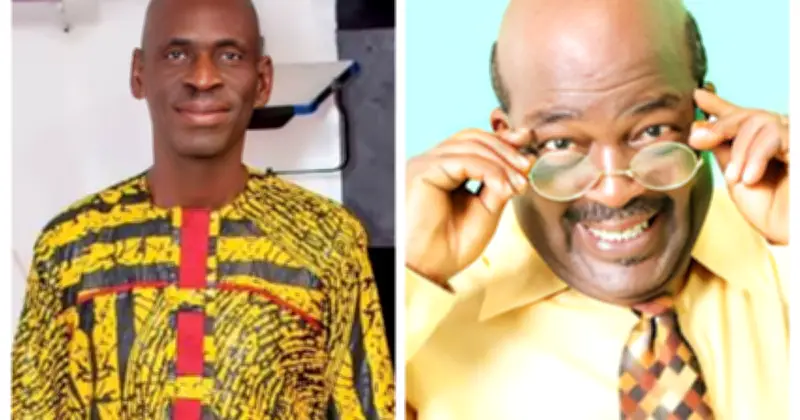
Veteran Nollywood actors, including Sunday Afolabi, Papa Ajasco, and Patience Ozokwor, have publicly shared their financial struggles after decades in the spotlight, revealing a systemic lack of royalties and residual income in the Nigerian entertainment industry.
Sunday Afolabi's Danfo Driver Story
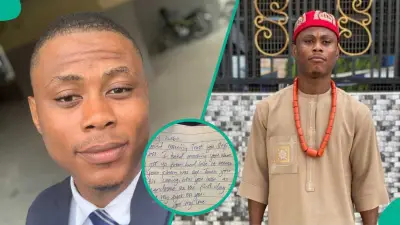
Sunday Afolabi, known for his role in Owo Blow, recently revealed that declining opportunities in acting and photography forced him to find alternative means of survival. His Nissan Quest developed a fault he couldn't afford to repair for almost two years. Eventually, he sold the car for just ₦180,000, bought a fairly used motorcycle, and later worked as a commercial minibus driver in Lagos.
Papa Ajasco's Pay Disparity
Abiodun Ayoyinka, popularly known as Papa Ajasco, said he earned ₦22,500 per episode in 1997. Nearly 30 years later, his pay is now about ₦45,000–₦60,000 per episode, even though the show is produced only occasionally. He also said he has no house or car of his own. The actor blamed the decline of the sitcom and restrictions around the trademarked Papa Ajasco character, which he said have cost him advertising opportunities. However, producer Wale Adenuga disputed his account, saying Ayoyinka had been supported over the years and was free to take other jobs, provided he did not use the trademarked Papa Ajasco identity without approval.
Other Veterans Facing Financial Hardship
Veteran Yoruba actor Fatai Oodua Adekunle Adetayo, known as Lalude, was still using motorcycles to get to film locations after years in Nollywood. Skit maker Kamo discovered his situation and appealed to Nigerians for help. An anonymous donor reportedly gave ₦3 million, while other fans contributed, and Kamo presented Lalude with a Toyota Corolla in June 2023.
Iya Gbonkan went viral in 2023 after revealing that she still did not own a car and relied on buses and commercial motorcycles to get to film locations. A fundraising drive led by cleric Gabriel Agbala raised more than ₦5 million towards her car and house, while fellow actresses Abeni Agbon and Tamo Tiye gave her ₦500,000. A UK-based film promoter, Alexes Promotions, bought her a vehicle, presented in Ibadan on June 8, 2023.
Olusola Olaonipekun, known as Pariolodo, appealed to Nigerians after seeing Lalude receive a car, saying he was tired of walking and riding motorcycles to film locations. More than ₦3 million was reportedly raised for him, his wife received more than ₦1 million, and additional donations were made towards their children's school fees. He was eventually presented with a car.
Ganiu Nofiu, known as Alapini Osa, sold two cars to pay for his son's medical treatment when his 40-year-old son became seriously ill. His son eventually died after months of treatment. Soon after, a fan identified as Lekan Enuope gifted him a 2007 Toyota Sienna.
Late veteran actor Ganiyu Oyeyemi, known as Baba Ogunjimi, revealed in 2023 that he had survived a stroke and an accident, and although he bought a piece of land, he could not afford to build on it. He died in 2024.
Don Richard, diagnosed with kidney disease, revealed in 2025 that he had sold his car for ₦1.5 million and exhausted money from his house to pay for treatment. Doctors had advised urgent dialysis estimated at ₦40 million to ₦50 million, and he appealed to Nigerians for help.
Jide Kosoko, with a career spanning over six decades, has openly said he does not consider himself rich by Nigerian standards, highlighting that longevity in Nollywood does not automatically translate into wealth, particularly when piracy and poor monetisation eat into actors' potential earnings.
Patience Ozokwor on Royalties
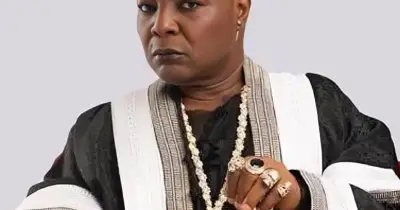
Patience Ozokwor, known as Mama G, has spoken about the lack of a proper royalty system in Nollywood, arguing that actors can be paid for a project once without continuing to benefit financially when their films keep generating value. She said an actor can spend decades building a career, but once regular work stops, there may be no steady stream of income from the films that made them famous, which is one reason some veteran actors beg online.
The underlying problem is similar across these stories. Nigeria's entertainment industry has changed, with today's stars earning through streaming, brand endorsements, YouTube, social media, international tours, and intellectual-property deals. However, many veterans built their careers in a different era, working under non-residual work-for-hire contracts during the VHS and early VCD eras. The idea of residual income was not established, leaving them without pension plans, residual income, or institutional health insurance when health crises or industry lulls arise. As Patience Ozokwor's argument about royalties and Jide Kosoko's comments about piracy suggest, when creative work is copied and distributed without proper compensation, the creators lose potential income.