Nigerian Woman in UK Goes Viral as Mum Arrives to Avoid Paying For Daycare
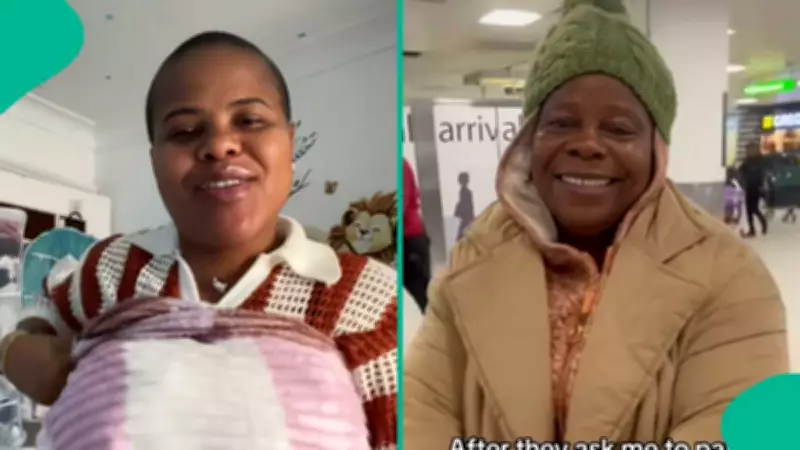
A Nigerian woman residing in the United Kingdom has captured widespread attention on social media after sharing her innovative approach to tackling the country's soaring childcare expenses. In a viral TikTok video, the woman celebrated her mother's arrival at a UK airport, framing it as a strategic move to circumvent monthly daycare fees that can exceed £1,300.
Viral TikTok Video Highlights Creative Childcare Solution
The video, posted by user @tayeextraa, shows the elderly mother arriving cheerfully at the airport, bundled up against the cold weather with her luggage in tow. The caption accompanying the footage read: "After they ask me to pay £1300 for childcare monthly, my mama don land." This statement immediately resonated with many viewers who face similar financial pressures related to preschool and daycare costs in the UK.
The post has ignited a lively discussion online, with reactions ranging from enthusiastic support to serious concerns about legal implications. While some applauded the woman's resourcefulness in leveraging family support, others pointed to potential immigration complications that could arise from such arrangements.
Immigration Rules and Legal Considerations
According to immigration guidelines from organizations like Maternity Action, bringing a parent to the UK specifically for unpaid childcare presents significant legal hurdles. Standard visitor visas typically prohibit any form of work, which includes full-time childcare responsibilities. While parents can apply for six-month visitor visas, they must demonstrate strong ties to their home country and prove they are genuine visitors rather than undocumented workers.
The viral nature of the TikTok video has raised questions about whether such public declarations might attract unwanted attention from immigration authorities. Social media users have expressed mixed opinions about the wisdom of broadcasting this childcare strategy so openly on platforms monitored by various agencies.
Social Media Reactions Reflect Broader Childcare Dilemma
The online response to the video reveals the complex realities facing many families navigating childcare options abroad:
- Some commenters expressed concern about potential immigration consequences, with one user asking: "What if an immigration officer sees this and they make it an issue?"
- Others questioned the long-term viability, noting: "So what happens after 6 months when she has to return?"
- Practical supporters suggested financial planning approaches, with one person commenting: "I will be keeping £300 per month to the side for her so I can give her everything when she returns."
- Educational considerations were also raised, with one observer stating: "Grandma will nurture the kids but she can't teach the critical knowledge for their development."
Broader Context of Family Reunions and Immigration
This incident follows another recent viral moment involving a Nigerian woman in the UK who flew her mother over to attend her graduation ceremony after nearly two years of separation. That emotional reunion highlighted the sacrifices many immigrants make to achieve educational milestones while maintaining family connections across continents.
The current case underscores the creative solutions families are developing to address practical challenges like childcare affordability. It also reflects the ongoing tension between immigration regulations and the real-world needs of diaspora communities seeking to balance work, family responsibilities, and financial constraints.
As childcare costs continue to rise in many developed countries, stories like this one prompt important conversations about:
- The affordability crisis in early childhood education and care
- The role of extended family in modern parenting arrangements
- Immigration policies and their practical implications for family support systems
- The intersection of social media sharing and legal considerations
The viral TikTok video has thus become more than just a personal celebration—it has evolved into a case study highlighting broader socioeconomic issues affecting Nigerian families and other immigrant communities navigating life abroad while maintaining cultural traditions of intergenerational support.