Zack Orji Challenges Nigerians on Social Media Reliance and Economic Views
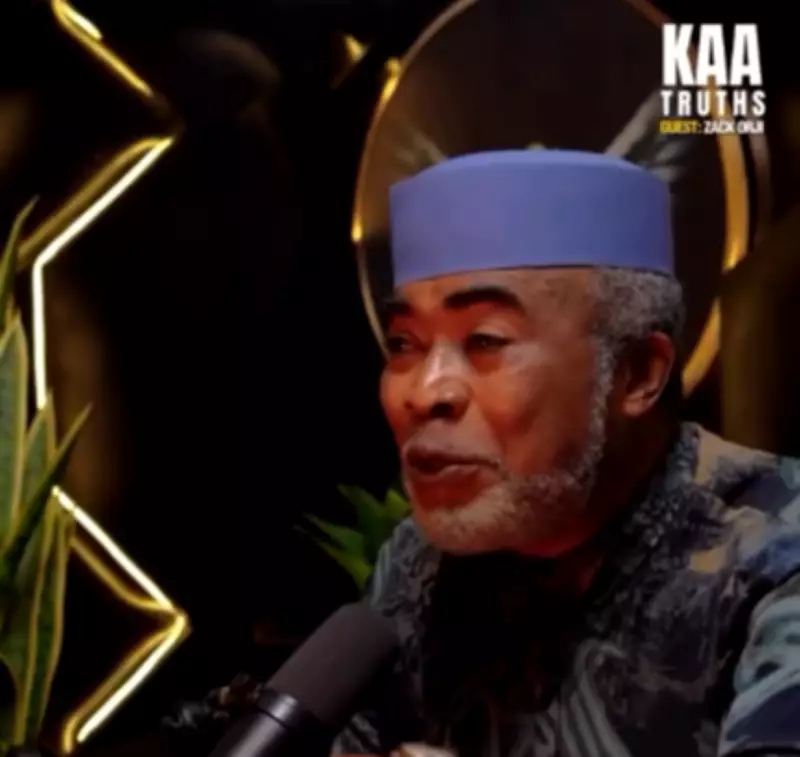
Actor Zack Orji has sparked debate by asserting that Nigerians often fail to conduct proper research and instead uncritically accept information circulated on social media platforms. In a recent interview, Orji addressed widespread criticism of the Tinubu administration's handling of the high cost of living, arguing that many citizens base their opinions on online narratives rather than factual data.
Orji's Critique of Public Perception
Orji emphasized that Nigerians do not take the time to investigate economic indicators or verify claims before forming judgments. He stated that this tendency leads to a reliance on sensationalized or misleading content shared across social media, which can distort public understanding of government policies and their impacts.
Defense of Tinubu's Economic Reforms
In the interview, Orji contended that the economic reforms implemented by President Bola Tinubu's administration are beginning to show positive results. He pointed to specific examples, such as a noticeable decrease in the prices of essential food items like beans and rice, as evidence that the policies are effective. Orji suggested that these improvements are often overlooked due to the prevailing negative discourse online.
Response to Criticism on Hunger and Economic Hardship
When confronted with arguments that Nigerians do not need statistical data to feel the effects of economic hardship—citing widespread hunger as a direct consequence—Orji offered a nuanced perspective. He acknowledged that hunger is a serious issue but argued that it is a global phenomenon not unique to the current administration. Orji implied that attributing all economic struggles solely to Tinubu's policies overlooks broader, pre-existing challenges.
Interview Insights and Public Reaction
The interview clip, which has circulated on platforms like Instagram and YouTube, has elicited mixed reactions from the public. Some viewers agree with Orji's call for more informed public discourse, while others criticize his remarks as dismissive of the real-life struggles faced by ordinary Nigerians. The discussion highlights ongoing tensions between government narratives and citizen experiences in the context of Nigeria's economic landscape.
This controversy underscores the importance of critical thinking and research in evaluating political and economic claims, especially in an era dominated by social media. As debates over policy effectiveness continue, Orji's comments serve as a reminder of the need for balanced perspectives grounded in verifiable information.