186 Nigerian Army Personnel Complete Pre-Deployment Training for UN Abyei Mission
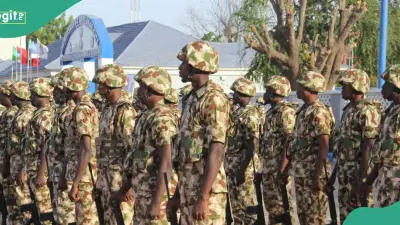
Troops from Nigerian Contingent 4, designated for the United Nations Interim Security Force for Abyei (UNISFA), have successfully concluded a rigorous 9-week pre-deployment training program. This contingent comprises 18 officers and 168 soldiers, all of whom underwent intensive preparation at the Martin Luther Agwai International Leadership and Peacekeeping Centre (MLAILPKC). The graduation ceremony marked a significant step in Nigeria's ongoing commitment to international peacekeeping efforts.
Emphasis on Professionalism and Discipline
During the graduation event, the Special Guest of Honour, Maj.-Gen. Mayirenso Saraso, who serves as the Chief of Operations (Army), delivered a keynote address through his representative, Brig.-Gen. Muhammed Kana, the Director of Force Generation. Saraso reminded the troops of their critical responsibilities in upholding the highest standards of professionalism and discipline. He stressed the importance of maintaining Nigeria's strong reputation in peacekeeping operations, which has been built over decades of dedicated service.
Saraso also highlighted the United Nations' zero tolerance policy on Sexual Exploitation and Abuse (SEA), urging all personnel to adhere strictly to these guidelines. He charged the troops to embody the core values of the Nigerian Army, foster teamwork, and serve as true ambassadors of peace in the Abyei region. This region, located between Sudan and South Sudan, has been a hotspot for conflict, making the role of peacekeepers particularly vital.
Training and Milestones at MLAILPKC
The Commandant of MLAILPKC, Maj.-Gen. Dagana Allu, provided insights into the centre's legacy and the training process. He noted that since its establishment, MLAILPKC has trained over 100,000 peacekeepers who have served with distinction in various United Nations and regional missions worldwide. Allu described this graduation as another milestone in Nigeria's steadfast commitment to enhancing international peace and security.
Allu detailed that the contingent underwent thorough medical screening before embarking on comprehensive training aligned with United Nations standards. The curriculum covered essential topics such as peacekeeping principles, rules of engagement, and conduct, with a strong focus on the zero tolerance policy regarding Sexual Exploitation and Abuse. The training also included mission-specific and tactical exercises designed to enhance operational readiness, ensuring the troops are well-prepared for the complex and dynamic environment in Abyei.
Expressing confidence in the troops' abilities, Allu stated that they are expected to uphold Nigeria's legacy of professionalism and excellence in peacekeeping operations. He also extended appreciation to the Chief of Army Staff, Lieutenant General Waidi Shaibu, for his exemplary leadership and continuous support to the centre, which has been instrumental in its success.
Support and Acknowledgments
According to Lt. Koni Kambai, the Acting Assistant Director of Army Public Relations at MLAILPKC, Brig.-Gen. Gabriel Esho, the Deputy Commandant and Director of Studies, delivered a vote of thanks during the ceremony. Esho acknowledged the unwavering support from Army Headquarters, the effective leadership of the Commandant, and the dedication of the training team. These elements collectively contributed to the successful completion of the pre-deployment program.
Parallel Workshop on Army Policies
In a related development, the Department of Army Policy and Plans conducted a Sensitisation Workshop for personnel of the 2 Division Nigerian Army in Ibadan. This workshop aimed to deepen understanding of Nigerian Army policies, their intent, and practical application in the field. Maj.-Gen. B.A. Alabi, the Chief of Policy and Plans (Army), emphasized that these policies are not merely administrative documents but carefully considered directives derived from national laws, constitutional provisions, and best military practices.
Represented by Brig.-Gen. W.O. Ubi, the Director of Policy, Alabi explained that the workshop's goal was to clarify the roles and responsibilities of commanders and troops in policy implementation. It also sought to encourage feedback from the field to inform future policy formulations and reviews, thereby improving the overall effectiveness of Nigerian Army policies.
The workshop featured a series of lectures on various policy documents, including:
- Nigerian Army Administrative Policies and Procedures Revised
- Nigerian Army Engineering Building Construction Aide Memoire
- Dress Regulations Booklet
- Nigerian Army Policy on Barracks Accommodation
- Nigerian Army Guidelines for Conduct of Service Personnel Attached to Retired Officers during Elections
- Nigerian Army Protocol Handbook
- Nigerian Army Policy on Drugs and Substance Abuse
- Battle Casualty Replacement of Personnel in Nigerian Army Operations
- Policy on the Employment of Unmanned Aerial Systems in the Nigerian Army
- Nigerian Army Policy on Energy Consumption
- Nigerian Army State of Readiness Pamphlet
- Policy on Engagement/Re-engagement of Discharge/Retired Personnel for Principal Staff Officers (PSO)
This comprehensive approach ensures that army personnel are well-versed in the guidelines that govern their conduct and operations, reinforcing the commitment to professionalism and efficiency across all levels of the Nigerian Army.