Jimmy Kimmel Mocks Trump Over FCC Threats on Iran War Coverage
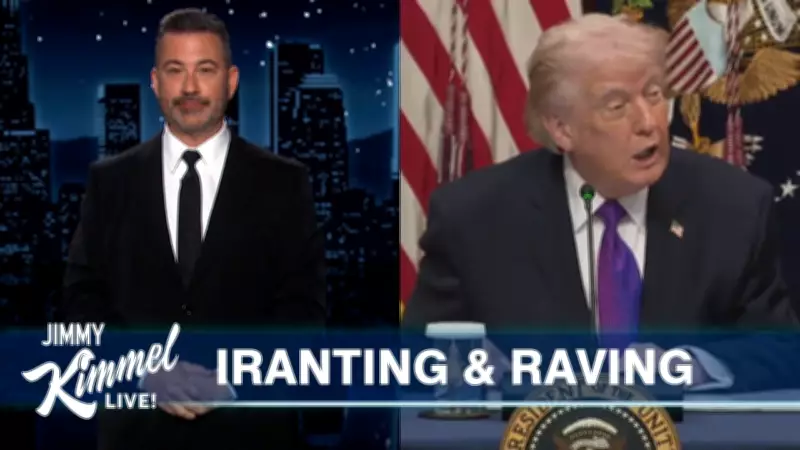
Comedian and late-night host Jimmy Kimmel has launched a sharp and public criticism against former President Donald Trump, targeting threats linked to media coverage of the Iran war. This latest episode escalates their long-running and highly publicized feud, drawing attention to tensions between political figures and broadcast networks.
Kimmel Accuses Trump of Targeting Broadcasters
During a recent segment on his popular show, Jimmy Kimmel Live!, Kimmel accused Trump of orchestrating efforts to pressure television networks through U.S. Federal Communications Commission Chairman Brendan Carr. Kimmel mocked Carr in his monologue, referring to him as Trump's "attack schnauzer," a pointed jab at Carr's loyalty to the former president.
This criticism came after Carr posted on social media platform X, accusing broadcasters of spreading "hoaxes and news distortions" regarding the Iran war. Carr warned networks to "correct course before their license renewals come up," implying potential regulatory consequences for their coverage.
FCC Chairman's Warnings and Kimmel's Rebuttal
In his post, Carr emphasized that broadcasters could lose their licenses if they fail to "operate in the public interest," adding that the media has "earned itself the label of fake news." Kimmel pushed back strongly against this claim during his show, arguing that the label was not earned by the media but fabricated.
Kimmel stated, "the First Fatso made that up and you ran with it," directly challenging the narrative and defending journalistic integrity. He further accused Trump of attempting to strip licenses from media outlets he disagrees with, framing it as an attack on free speech and press freedom.
Escalating Feud and Broader Context
Kimmel took his criticism a step further by sarcastically suggesting that journalists should instead follow the example of influencer Jake Paul, referencing Paul's recent interview with Trump. This remark highlighted the ongoing tensions between Trump and major broadcasters, which have reportedly included previous threats directed at ABC affiliates airing Kimmel's show following controversial monologues related to political incidents.
The remarks underscore a broader pattern of conflict between political leaders and media organizations, particularly in the context of sensitive topics like war coverage. Kimmel's vocal stance adds to the public discourse on media regulation and the role of broadcasters in shaping public opinion during international crises.
This incident reflects the volatile intersection of entertainment, politics, and media, with Kimmel using his platform to challenge perceived overreach and defend journalistic standards amid escalating rhetoric.