IShowSpeed's Nigerian Tour Ignites Creator Economy Debate
American YouTube sensation IShowSpeed, whose real name is Darren Watkins Jr., has found himself at the center of a heated controversy following his recent visit to Nigeria. The 21-year-old streamer's "Speed Does Africa" tour, designed to showcase the continent's diverse cultures, instead exposed deep-seated issues within Nigeria's burgeoning digital creator ecosystem.
Historic Milestone Amid Cultural Immersion
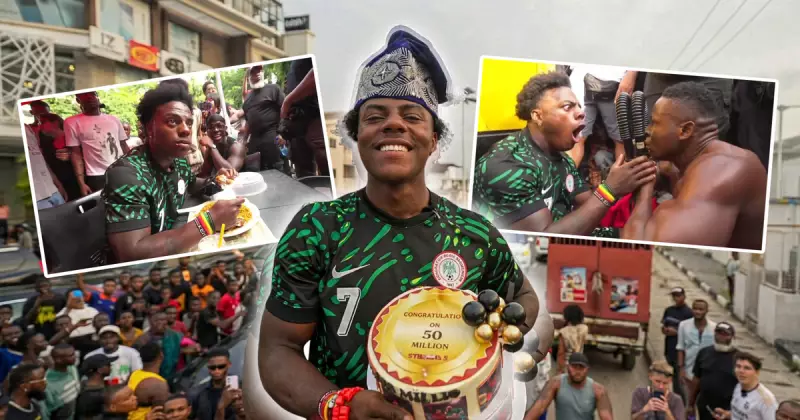
During his brief stay in Lagos, IShowSpeed achieved a remarkable personal milestone by becoming the first Black individual creator to surpass 50 million YouTube subscribers. This achievement coincided with his birthday celebrations, which he streamed live to his global audience. The tour itself was meticulously planned to offer authentic cultural experiences, including sampling Nigeria's famous jollof rice, visiting the Nike Art Gallery, and engaging with local street performers.
However, the celebratory atmosphere quickly turned contentious as Nigerian content creators expressed disappointment over Speed's refusal to collaborate with local influencers. In a widely circulated social media post, the American streamer clarified that his tour's primary objective was cultural immersion rather than creator partnerships.
The Backlash and Its Underlying Causes
The controversy erupted across social media platforms, particularly X (formerly Twitter), where Nigerian users voiced their frustrations. Critics accused Speed of disrespect, while others highlighted chaotic scenes during his streams that included:
- Uncontrolled crowds disrupting planned activities
- Individuals demanding money and collaborations
- Technical issues due to infrastructure limitations
- Perceived snubbing of established local creators
Speed responded directly to these criticisms, explaining that his tour was carefully scheduled with specific cultural objectives in each country. "The purpose of the tour is not streamer collaborations, but to showcase the culture of Africa's countries," he stated, emphasizing his desire to highlight everyday people and local communities rather than established influencers.
Exposing Systemic Issues in Nigeria's Creator Economy
The incident has revealed deeper problems within Nigeria's digital content industry. Media analyst Oritsejolomi Otomewo notes that while Speed's subscriber milestone coincided with his Nigeria visit, it wasn't directly caused by Nigerian engagement. This highlights what many see as Nigeria's inability to effectively harness global attention for local benefit.
The economic realities for Nigerian creators are particularly stark:
- Approximately 56% earn less than $100 monthly from content creation
- Only 3% achieve earnings exceeding $5,000 per month
- Platform limitations exclude many from monetization programs
- Low advertising rates compared to global standards
These financial constraints have created an environment where desperate measures often replace strategic content development. The "performative chaos" witnessed during Speed's visit, according to analysts, represents survival tactics in an economy with limited monetization opportunities.
Cultural Representation Versus Commercial Expectations
Speed's approach contrasted sharply with local expectations in Nigeria's creator economy, which values billions of naira and often prioritizes viral moments and celebrity collaborations. While his visits to other African countries like Kenya and Zimbabwe were praised for their cultural authenticity and smooth execution, the Nigeria stop revealed tensions between global cultural representation and local commercial expectations.
The incident has sparked important conversations about:
- Professional standards in content creation
- Cultural authenticity versus commercial interests
- Infrastructure limitations affecting digital content production
- Economic disparities within the creator economy
Pathways Forward for Nigerian Creators
Industry observers suggest that this controversy could serve as a catalyst for positive change if stakeholders respond constructively. Potential solutions include:
Strategic pivots toward Nigeria's rich cultural heritage across all 36 states, focusing on underexplored traditions and authentic storytelling. Increased investment in production quality and ethical monetization strategies could help move beyond reliance on viral stunts.
Some experts advocate for government intervention through tax incentives, structured training programs, and intentional tourism branding to elevate industry standards. However, skepticism remains about whether the necessary systemic changes will materialize.
As the global creator economy continues its rapid expansion, projected to grow from approximately $205 billion in 2024 to over $1.3 trillion by 2033, Nigerian creators face a critical choice: adapt to evolving global standards or risk being left behind. The IShowSpeed controversy has laid bare the challenges, but also highlighted the immense potential of Nigeria's digital content industry when properly nurtured and professionally developed.