Michael B. Jordan Reportedly 'Repulsed' by Racial Slur Shouted at BAFTA Awards
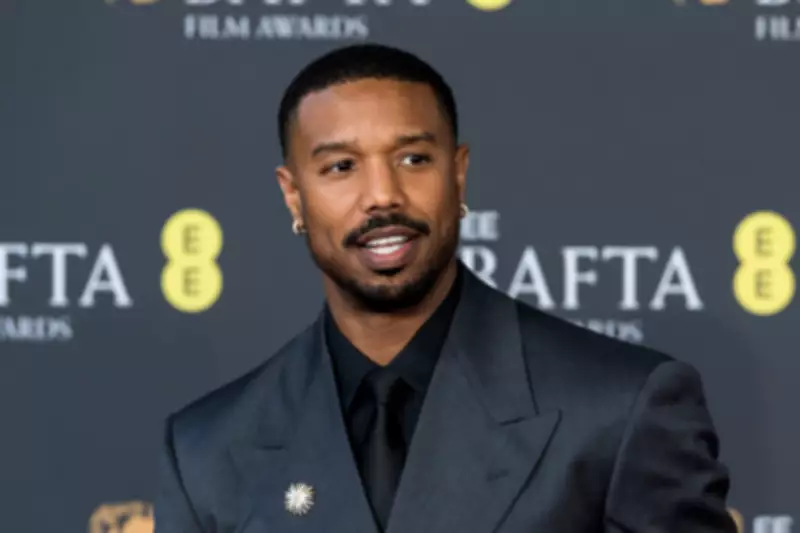
Actor Michael B. Jordan was reportedly left "disgusted" and "repulsed" after a racial slur was shouted from the audience while he was on stage presenting at the BAFTA Film Awards on Sunday night. The incident occurred at London's Royal Festival Hall, casting a shadow over the prestigious ceremony.
Shocking Outbreak During Presentation
Jordan had taken to the stage alongside his Sinners co-star Delroy Lindo to present the award for Best Visual Effects when Tourette's campaigner John Davidson was heard shouting the N-word. The outburst prompted audible gasps from the stunned audience, creating an immediate atmosphere of tension and discomfort.
In the aftermath, the BBC removed the full ceremony from iPlayer following significant backlash for not editing out the moment before broadcast. The incident drew further criticism as reports indicated that other politically sensitive remarks had been cut from the telecast, raising questions about editorial decisions.
Personal Impact and Professional Response
A source told Metro that Jordan, 39, was particularly affected by the incident given his recent immersion in research on the psychological impact of racism to prepare for his role in Sinners. The horror film is set in 1932 Mississippi during the Jim Crow era, exploring themes of racial terror that made the moment especially upsetting for the actor.
Lindo later told Vanity Fair that he and Jordan "did what we had to do" while continuing their presentation duties, but expressed disappointment that "someone from Bafta spoke to us afterward." Both actors maintained remarkable professionalism throughout the challenging situation.
Apologies and Explanations
Davidson, who has Tourette syndrome and whose symptoms include involuntary verbal tics, later issued an apology stating he was "deeply mortified if anyone considers my involuntary tics to be intentional or to carry any meaning." BAFTA host Alan Cumming addressed the situation during the ceremony, explaining that Tourette syndrome involves involuntary language outbursts and thanking attendees for their understanding.
However, criticism continued to mount online, with many questioning the handling of the incident and the broadcast decision. In a subsequent statement, the BBC apologised for the "strong and offensive language," acknowledging that it had not been edited out prior to transmission and confirming it would be removed from the on-demand version.
BAFTA also issued a direct apology to Jordan and Lindo, stating: "Michael B Jordan and Delroy Lindo were on stage at the time, and we apologise unreservedly to them, and to all those impacted. We would like to thank Michael and Delroy for their incredible dignity and professionalism."
Triumph Amid Controversy
Despite the controversy, Sinners, written and directed by Ryan Coogler, emerged as one of the night's biggest winners. The film achieved several historic milestones:
- Won Best Supporting Actress for Wunmi Mosaku
- Won Best Original Score for Ludwig Göransson
- Won Best Original Screenplay for Ryan Coogler — marking the first time a Black filmmaker has won in that category
The film had previously received 13 BAFTA nominations and 16 Oscar nominations earlier in the awards season, cementing its status as a critical and artistic success. The achievements of Sinners provided a powerful counterpoint to the evening's disturbing incident, highlighting the progress being made in representation while underscoring the ongoing challenges surrounding racial sensitivity in public forums.
The incident has sparked broader conversations about:
- Broadcast standards and editorial responsibility
- The intersection of medical conditions and public decorum
- Racial sensitivity in international award ceremonies
- The psychological impact of racial slurs on public figures
As the film industry continues to grapple with issues of representation and inclusion, this incident at one of its most prestigious events serves as a reminder of the complex challenges that remain in creating truly inclusive spaces for all participants.