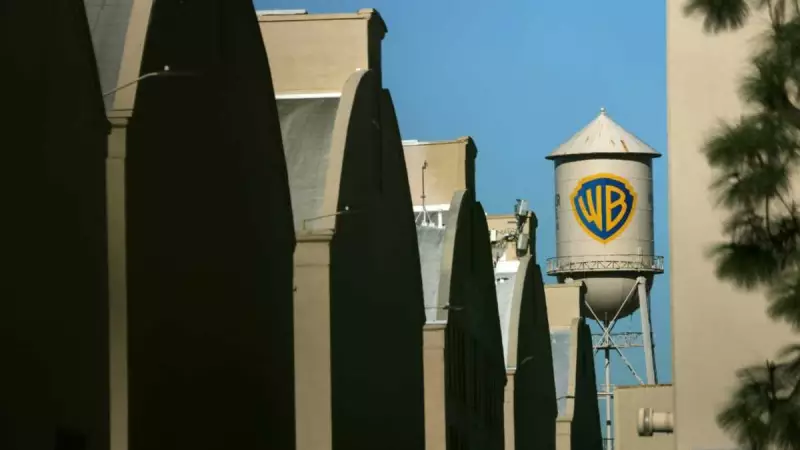
The entertainment world was rocked on Friday, December 5, 2025, as streaming titan Netflix confirmed its blockbuster deal to acquire the legendary Hollywood studio, Warner Bros. Discovery. The move, valued at a staggering $82.7 billion, has ignited a firestorm of criticism from industry insiders, filmmakers, and politicians who fear for the future of cinema.
Hollywood's Elite Sounds the Alarm
Hollywood's reaction was swift and severe. The streaming giant, already viewed with suspicion for its reluctance to prioritize theatrical releases, is now being painted as an existential threat. James Cameron, the acclaimed director of "Titanic," did not mince words, labeling the buyout a "disaster." Meanwhile, a coalition of prominent producers has begun lobbying the U.S. Congress to oppose the merger.
In a letter to lawmakers, these filmmakers warned that Netflix would "effectively hold a noose around the theatrical marketplace." They argue this would further damage an industry ecosystem already struggling with audiences shifting from traditional theaters to streaming platforms. Former Warner Bros. CEO Jason Kilar echoed these concerns on social media platform X, stating, "I could not think of a more effective way to reduce competition in Hollywood."
Theatrical Experience vs. Streaming Dominance
At the heart of the conflict is a fundamental clash of philosophies. Netflix co-CEO Ted Sarandos has publicly declared that the era of audiences flocking to movie theaters is over. This stance puts him directly at odds with many industry veterans who believe the big-screen experience is essential to cinema's cultural appeal and prestige.
During an analyst call on Friday, Sarandos attempted to calm fears, pledging to maintain Warner Bros.' theatrical releases and preserve the HBO Max brand. However, his assurances did little to quell the anxiety. Michael O'Leary, CEO of the exhibition trade association Cinema United, issued a dire warning: "Netflix's success is television, not movies on the big screen. Theaters will close, communities will suffer, jobs will be lost."
Political and Financial Fallout
The backlash extended far beyond the Hollywood hills. On Wall Street, Netflix shares plunged more than three percent following the announcement. The influential tech publication The Information branded the deal an "$82.7 Billion Blunder."
In Washington, bipartisan political opposition is mounting. U.S. Senator Elizabeth Warren, a Democrat, warned the merger "could force you into higher prices, fewer choices... and may put American workers at risk." Republican Senator Mike Lee had also raised red flags prior to the deal, suggesting it "should send alarms to antitrust enforcers around the world."
The deal also creates a major loser: Paramount Skydance, a rival studio run by David Ellison, son of billionaire Larry Ellison. Paramount, which had sought to acquire Warner Bros. in full, has accused the process of being unfair and may lobby the White House directly to block Netflix's acquisition.
As regulators and lawmakers scrutinize the merger, the entertainment industry holds its breath, questioning whether this historic deal will mark a new chapter or the beginning of the end for traditional cinema as we know it.