Olive Nwosu's Global Vision for Nigerian Cinema
Olive Nwosu, a Nigerian filmmaker with a global perspective, is reshaping how Nigerian stories are told on the international stage. Born in Lagos and now based between London and the United States, Nwosu has built a filmmaking practice deeply rooted in Nigerian identity while achieving remarkable success at prestigious film festivals worldwide.
From Lagos to Global Recognition
Nwosu's cinematic journey began with Troublemaker in 2019, an Igbo-language short film featuring non-professional actors that made history as the first Igbo film to screen on the Criterion Channel. This was followed by Egungun in 2021, her Columbia film school graduation project that screened at both Sundance and the Toronto International Film Festival.
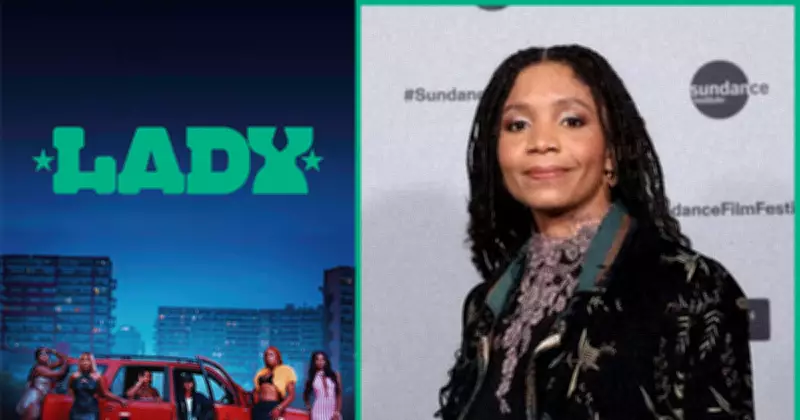
Her latest achievement, Lady, premiered as the only Nigerian feature at the 2026 Sundance Film Festival before traveling to the Berlinale. Competing in the World Cinema Dramatic Competition, the film earned the Special Jury Award for Acting Ensemble, a significant accomplishment for a cast featuring emerging talents including Jessica Ujah, Amanda Oruh, and Tinuade Jemiseye.
Preserving Cultural Identity Through Film
When asked about her creative process, Nwosu reflects on her multifaceted identity: "Nigeria first, but so much of my film education has happened in America and Europe, and now so much of my family life is happening here in London. So it's almost like a split across different cultures."
Her commitment to Nigerian authenticity is evident in her choice to make Troublemaker in Igbo rather than English or Pidgin. "Troublemaker was really a return to that ancestral home, ancestral language, capturing a version of the east of Nigeria that's disappearing," she explains. "It was about preserving and recording that version of the East, celebrating it, but also critiquing what's under the surface."
Ethical Filmmaking and Community Engagement
For Lady, Nwosu spent two months living alongside sex workers in Lagos before rewriting the script, demonstrating her commitment to ethical filmmaking. "The ethical process was always front and centre for me," she emphasizes. "Before making narratives, I worked in documentaries, so I was already used to thinking deeply about duty of care, how you build trust, create safe spaces, and portray people with dignity."
Her approach included:
- Working with trusted local community members
- Ensuring fair compensation and ongoing consent
- Collaborating with psychologists and intimacy coordinators
- Creating women-centered spaces throughout production
Funding Nigerian Stories with International Support
Lady received financing from British institutions including the BFI, Film4, and Screen Scotland. Nwosu acknowledges the potential challenges but emphasizes the importance of maintaining cultural integrity: "For me, it was about being clear from the start that this film had to feel deeply of Lagos, deeply Nigerian. If that's clear in the script, the treatment, the lookbook, then you're inviting financiers who believe in that vision."
Redefining Lagos on Screen
Nwosu is determined to move beyond stereotypical portrayals of African cities in cinema. "An authentic Lagos to me is very contemporary," she says. "Lagos is bold. Lagos is colourful. Lagos is a coastal city on the water, and that gives it a real island feel. Lagos is noisy and so vibrant and alive."
She describes the city as having "20 million people in the heat" with "a bubbling under the surface" energy where "everyone is hustling and living hard." This dynamic, contemporary vision of Lagos is what she fought to capture in Lady.
Personal Connection and Creative Responsibility
Lady centers on women surviving and resisting in unequal circumstances, a theme deeply personal to Nwosu. "As a young woman navigating life, I connect with her desire for agency, freedom, sisterhood, and having a voice," she shares. "I also share that tension with Lagos, loving it, wrestling with it, feeling frustrated by its complexities."
As one of the few Black British-Nigerian women directing at this level, Nwosu feels a profound responsibility: "I want to tell emotionally resonant stories about people who've been invisible, and to do it with honesty and beauty. When I left Nigeria, I was shocked by how few nuanced images of Africa and Nigeria existed on the global stage. That absence really fuels my passion for storytelling."
Sustaining Creative Vision
From Troublemaker in 2019 to Lady in 2026, Nwosu has spent seven years building her cinematic vision. "To be honest, I love it," she says of the slow, deliberate process. "I think this is the work. It takes time and care, deep thought and research to make a film like this. It's the love of the story, the love of the form, and the love of cinema that's kept me going."
Nwosu's approach to filmmaking combines global ambition with local authenticity, creating work that speaks to international audiences while remaining deeply rooted in Nigerian experience. Her success demonstrates how Nigerian stories can achieve global recognition without compromising their cultural specificity or ethical foundations.