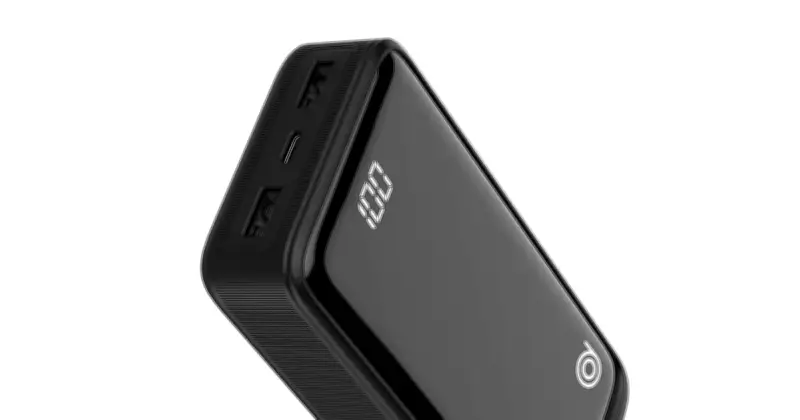
Power banks are incredibly convenient, but if you have ever noticed yours getting unusually hot or behaving oddly while charging, that is a warning sign you should not ignore. When used improperly, they can overheat, suffer damage, or even pose safety risks. Here is a comprehensive guide to help you stay safe and maximize your device's lifespan.
1. Do Your Research Before Buying
Not all power banks are built equally. Before making a purchase, take a few minutes to read reviews and consult the user manual. Look for key safety features such as protection against overheating, short circuits, and overcharging. Additionally, pay attention to the battery type. Power banks with Lithium-Polymer (LiPo) batteries are generally more stable and less prone to overheating compared to Lithium-ion (Li-ion) batteries.
2. Keep It Away from Extreme Temperatures
Heat and cold can significantly affect your power bank's performance. Avoid leaving it under direct sunlight or using it in very cold conditions, as this can reduce efficiency and damage the battery. Always store and charge it in a cool, well-ventilated area. If the device feels excessively hot to the touch, that is a clear warning sign.
3. Avoid Overcharging
Many people leave their power banks plugged in overnight, but this is not advisable. Ideally, keep the charge level between 20% and 80%, especially for Lithium-ion batteries. Constantly charging to 100% can stress the battery over time and increase the risk of overheating.
4. Use the Right Charging Cables
Cheap or incompatible cables might save money initially, but they can damage your power bank in the long run. They often overheat easily and may not deliver the correct power output. Always use the cable recommended in the manual or opt for high-quality certified cables.
5. Monitor Temperature While Charging
A power bank should not become excessively hot during charging. The normal operating temperature ranges between 5°C and 40°C. If it feels hotter than usual, especially warmer than your body temperature, unplug it immediately and allow it to cool down before further use.
6. Do Not Use It While It Is Charging
Although it might seem convenient to charge your phone with the power bank while the power bank itself is plugged in, this puts extra strain on the device. This practice can lead to overheating and, in extreme cases, fire hazards. It is safer to let the power bank charge fully before using it to power other devices.
7. Keep It Away from Metal Objects
Dropping your power bank into a bag full of keys or coins might seem harmless, but it can cause a short circuit. Metal objects can interfere with the electrical components, leading to a sudden current flow that may damage the device or create safety risks.
Power banks are everyday essentials, but they require proper care to remain safe and last longer. Most issues, such as overheating, reduced battery life, or hazards, stem from simple habits. By using the right accessories, avoiding extreme conditions, and paying attention to warning signs, you can ensure both your safety and the longevity of your device.