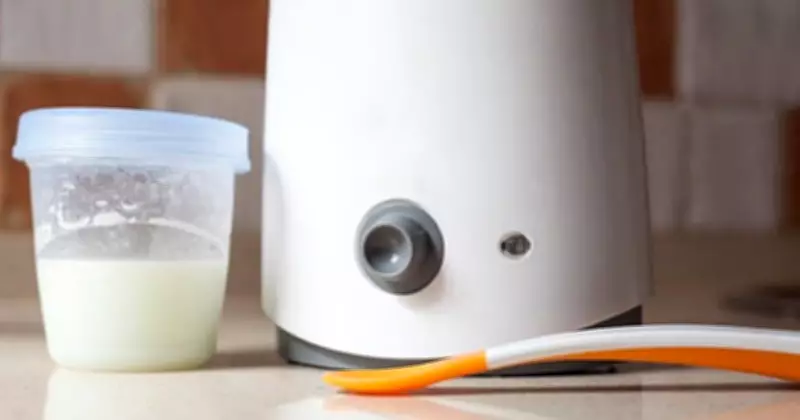
Bottle Warmers for Nigerian Parents: A Comprehensive Guide
New parents across Nigeria quickly discover that feeding an infant is not always straightforward, especially during late-night cries of hunger. Among the many baby products available in markets from Lagos to Abuja, bottle warmers have sparked considerable debate. Are these devices truly essential, or can parents effectively warm milk using simpler methods like warm water baths? This article examines the advantages, potential disadvantages, and situations where a bottle warmer might significantly simplify the feeding process for Nigerian families.
Understanding Bottle Warmers and Their Operation
A bottle warmer is a compact appliance designed to safely heat baby bottles to an ideal feeding temperature. Unlike microwaves or placing bottles in hot water, these devices use controlled heating—typically through steam or warm water baths—to gradually warm milk or formula. This approach helps prevent overheating and reduces the risk of creating hot spots that could burn a baby's mouth.
Most bottle warmers function by adding a small amount of water to the unit. When a bottle is inserted, the device heats the surrounding water, distributing warmth evenly throughout the container. Advanced models, such as the Momcozy bottle warmer, offer features like automatic shut-off, precise temperature controls, and preset modes for breast milk, formula, or baby food jars. These innovations aim to heat milk quickly while maintaining safe temperature levels for infants.
For busy Nigerian parents juggling work and family responsibilities, bottle warmers provide a convenient and reliable method for preparing bottles, particularly during nighttime feedings when efficiency is crucial.
Evaluating the Need for Bottle Warmers
Many new mothers in Nigeria wonder whether purchasing a bottle warmer is justified. The answer largely depends on individual feeding routines and lifestyles. For mothers who regularly pump breast milk or use formula—especially those managing irregular feeding schedules or hectic days—a bottle warmer can streamline the process. These devices often heat milk more rapidly and uniformly than traditional warm water methods, potentially reducing stress when dealing with a hungry, crying baby.
However, not all families require one. Some infants accept milk at room temperature without issue, and many Nigerian households find conventional warming techniques sufficient. While not a necessity, a bottle warmer can be a valuable tool for parents seeking to simplify daily feeding routines.
Key Benefits of Using Bottle Warmers
Bottle warmers offer several advantages that can enhance safety and convenience during feeding:
- Faster Preparation: Speed is a primary benefit. Many warmers heat milk within minutes, which is invaluable during nighttime feedings when both parent and child are fatigued.
- Even and Safe Warming: These devices ensure heat distribution is uniform, eliminating hot spots common with microwave use.
- Nutrient Preservation: Breast milk contains delicate nutrients and antibodies that can degrade under high heat. Bottle warmers use gentle heating to help maintain milk quality.
- Nighttime Convenience: Parents can avoid trips to the kitchen to prepare warm water baths by simply placing a bottle in the warmer.
- Multifunctional Features: Some models thaw frozen breast milk or warm baby food, adding versatility as infants grow.
For parents using pumped milk or refrigerated bottles, these features can make a bottle warmer a worthwhile addition to their baby care toolkit.
When Bottle Warmers May Be Unnecessary
Despite their usefulness, bottle warmers are not essential for every Nigerian household. Consider skipping one if:
- Your baby drinks milk comfortably at room temperature.
- You primarily breastfeed directly, minimizing bottle use.
- You have limited counter space or frequent travel needs—though portable options like the Momcozy Superfast Portable Baby Bottle Warmer exist.
- Budget constraints are a concern, as new parents face numerous expenses.
In such cases, traditional warming methods may suffice without adding another appliance to your kitchen.
Comparing Bottle Warmers to Traditional Methods
Before bottle warmers became available, Nigerian parents relied on household techniques like warm water baths. Each approach has pros and cons:
Bottle Warmer:
- Quicker, more reliable heating
- User-friendly, especially for nighttime feeds
- Some models include temperature controls and auto shut-off
- Requires purchasing an additional device
Traditional Warm Water Method:
- No special equipment needed
- Accessible anywhere with hot water
- Generally slower than bottle warmers
- Requires monitoring to prevent overheating
Both methods can be safe when used correctly, with the main differences being convenience and speed.
Making the Decision: Is a Bottle Warmer Right for You?
To determine whether a bottle warmer is worth the investment, Nigerian parents should assess their daily routines:
First, evaluate how often you use bottles. If you regularly pump breast milk or prepare formula, a warmer can save time and simplify feeding schedules. Second, consider nighttime feeds—parents who wake frequently may appreciate faster heating methods. Third, examine your home setup; if space is limited or you prefer minimal baby gear, traditional methods might be adequate. Finally, observe your baby's preferences; if they accept room-temperature milk, a warmer may be unnecessary.
By weighing these factors, you can decide whether a bottle warmer aligns with your parenting style and daily life. Ultimately, these devices offer time-saving, consistent, and gentle warming—particularly valuable for parents using bottles regularly, especially at night. However, traditional techniques remain effective for families who primarily breastfeed directly or have babies comfortable with room-temperature milk. While not an essential baby product, a bottle warmer can be a practical accessory that reduces stress and simplifies feeding for many new parents in Nigeria.